
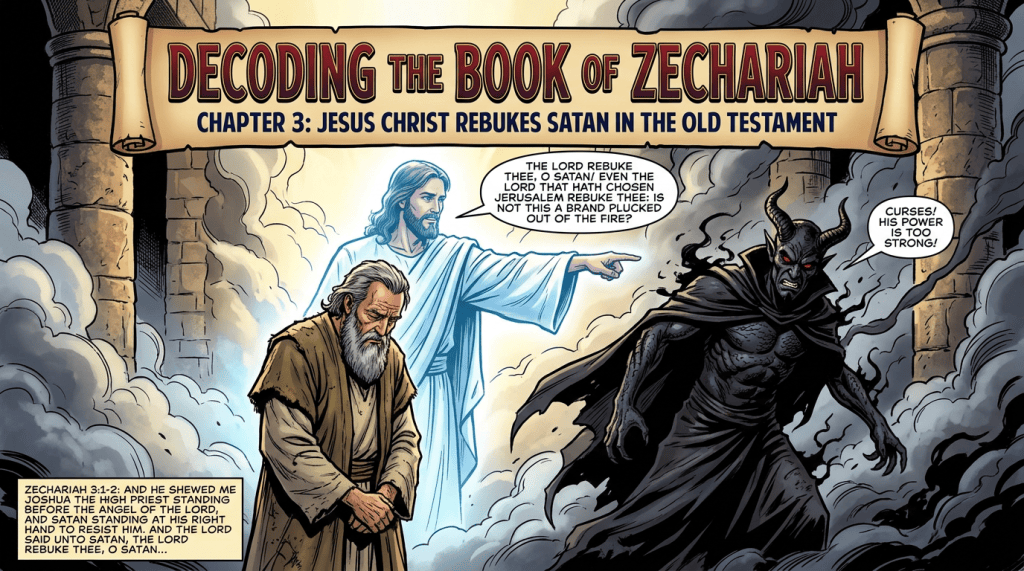
Zechariah functions as the Old Testament counterpart to Revelation. Both books are apocalyptic visions given through an interpreting angel, packed with recurring symbols found almost nowhere else.
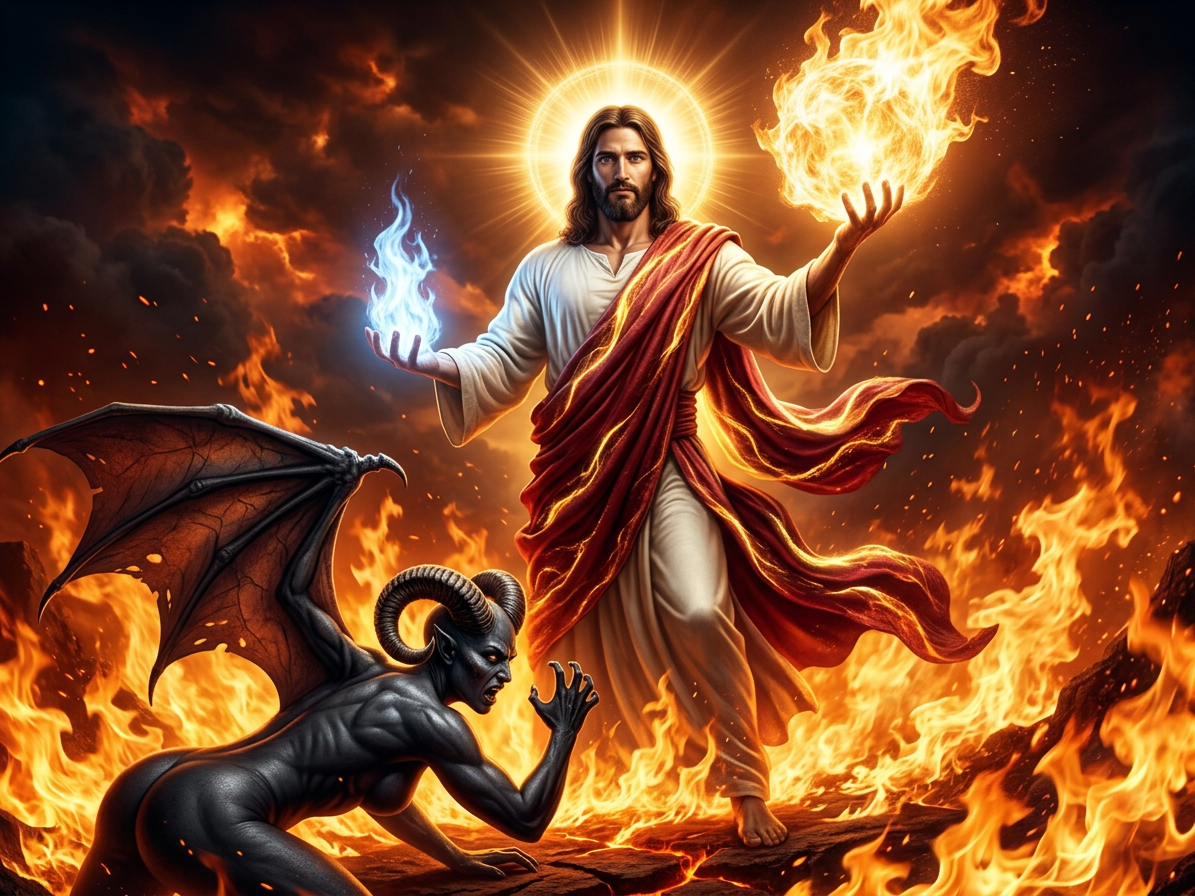
Zechariah 3 (KJV) is the vision of Joshua the high priest standing before the angel of the LORD, with Satan accusing him. The LORD and the angel of the LORD are taken as Jesus Christ, Jerusalem as the land corresponding to modern Israel, and Satan as the accuser (parallel to Revelation 12:10).
1 And he shewed me Joshua the high priest standing before the angel of the LORD, and Satan standing at his right hand to resist him.
Joshua the high priest stands before the angel of the LORD (Jesus Christ). Satan stands at his right hand to accuse or oppose him. Revelation 12:10 calls Satan “the accuser of our brethren,” who accuses them before God day and night.
2 And the LORD said unto Satan, The LORD rebuke thee, O Satan; even the LORD that hath chosen Jerusalem rebuke thee: is not this a brand plucked out of the fire?
The LORD rebukes Satan, invoking the LORD who has chosen Jerusalem (Israel). Joshua is called a brand plucked out of the fire—rescued from judgment. The double use of “the LORD” distinguishes the speaker from the one who chose Jerusalem while both are identified with Jesus Christ. Jude 9 uses the same rebuke formula (“The Lord rebuke thee”).
3 Now Joshua was clothed with filthy garments, and stood before the angel.
Joshua wears filthy garments while standing before the angel. The filth represents defilement; he is not presented as already clean.
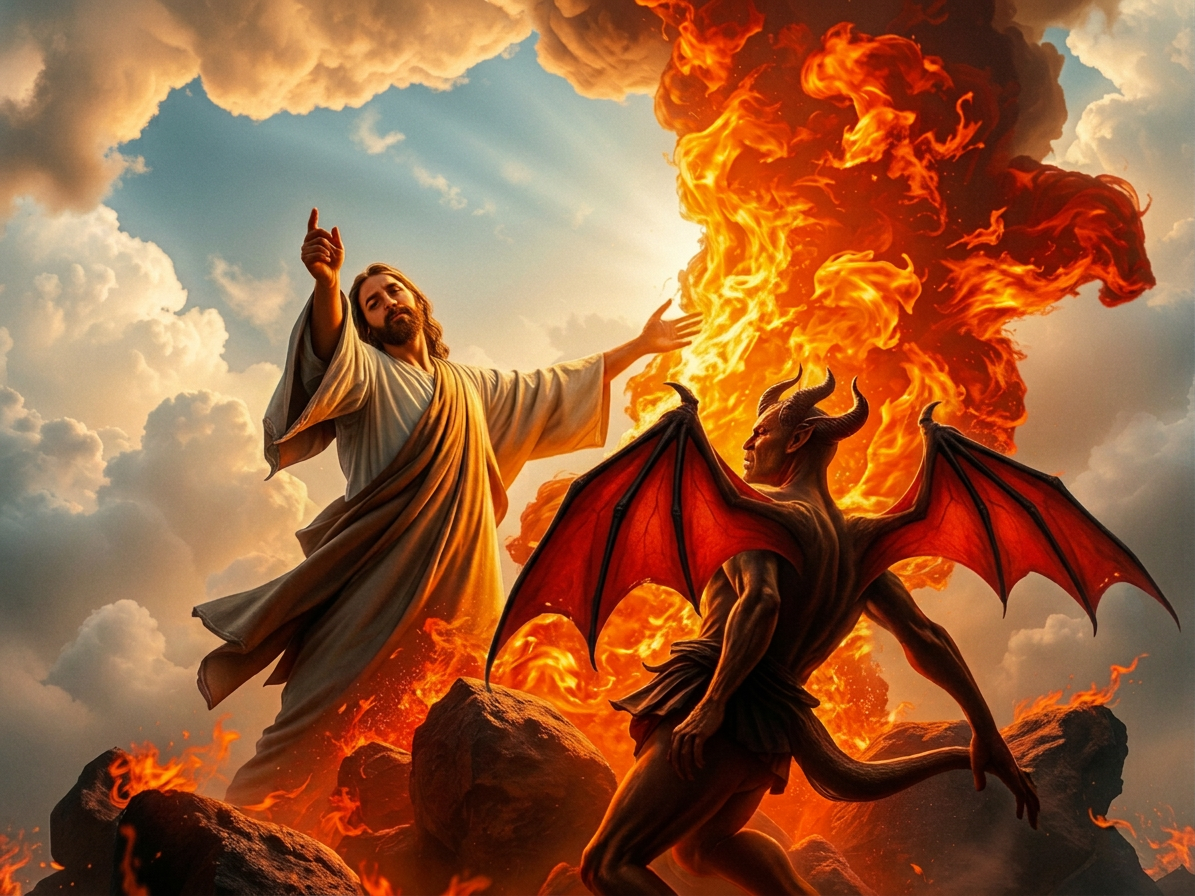
4 And he answered and spake unto those that stood before him, saying, Take away the filthy garments from him. And unto him he said, Behold, I have caused thine iniquity to pass from thee, and I will clothe thee with change of raiment.
The angel orders the filthy garments removed and tells Joshua that his iniquity has been caused to pass from him and that he will be clothed with festal garments. The removal of iniquity is stated as an accomplished act of the speaker.
This is a preview of Jesus Christ removing the sins of men through his sacrifice, spoken over 500 years before the event in 33AD.
5 And I said, Let them set a fair mitre upon his head. So they set a fair mitre upon his head, and clothed him with garments. And the angel of the LORD stood by.
Zechariah interjects that a clean turban (mitre) be placed on Joshua’s head. It is done, and the angel of the LORD stands by. The high-priestly headpiece is restored along with the clean garments.
6 And the angel of the LORD protested unto Joshua, saying,
The angel of the LORD solemnly charges Joshua.
7 Thus saith the LORD of hosts; If thou wilt walk in my ways, and if thou wilt keep my charge, then thou shalt also judge my house, and shalt also keep my courts, and I will give thee places to walk among these that stand by.
The LORD of hosts sets the condition: if Joshua walks in His ways and keeps His charge, he will judge the LORD’s house, keep His courts, and be given access among those who stand by (the angelic attendants). The promise is conditional on obedience.
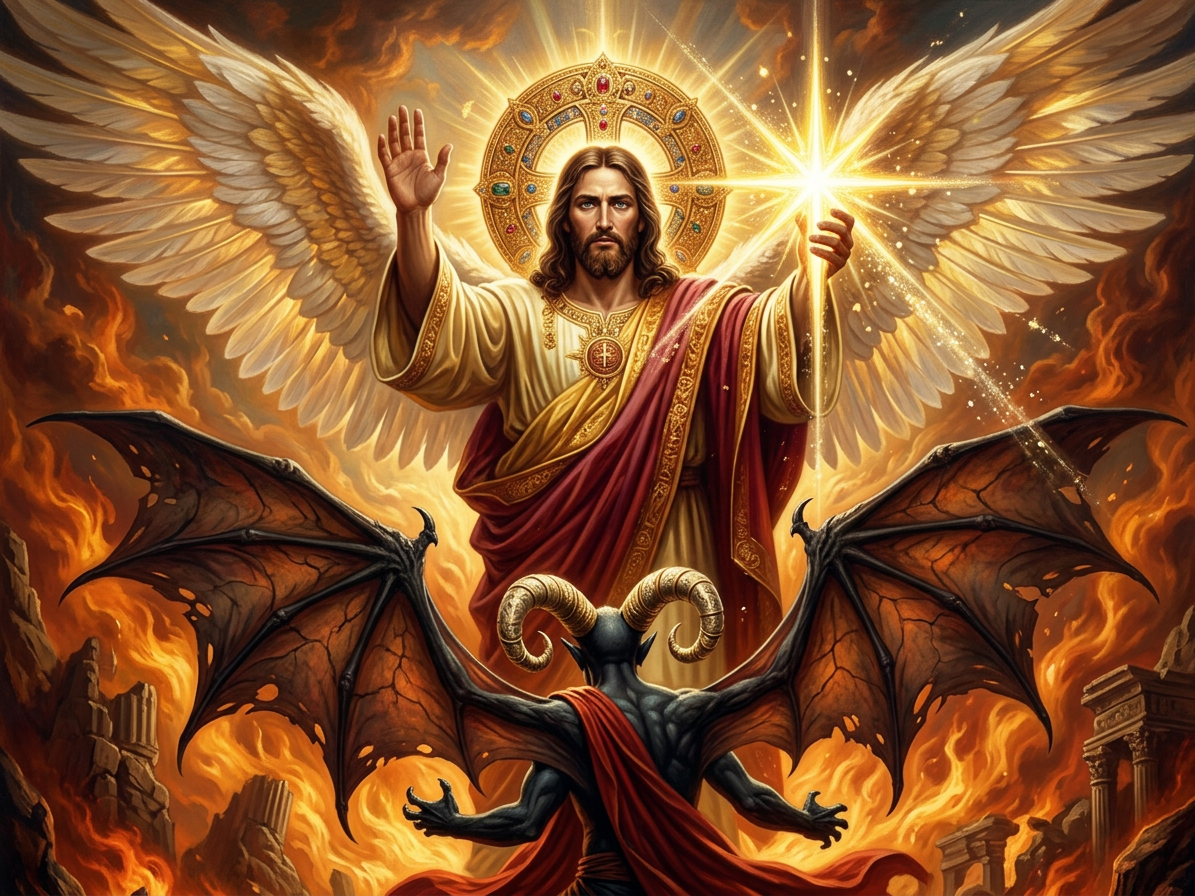
8 Hear now, O Joshua the high priest, thou, and thy fellows that sit before thee: for they are men wondered at: for, behold, I will bring forth my servant the BRANCH.
Joshua and his fellow priests are told they are men of sign (wondered at). The LORD will bring forth His servant “the BRANCH.” The Branch is a messianic title elsewhere (Isaiah 11:1; Jeremiah 23:5; Zechariah 6:12). On the Branch is Jesus Christ.
9 For behold the stone that I have laid before Joshua; upon one stone shall be seven eyes: behold, I will engrave the graving thereof, saith the LORD of hosts, and I will remove the iniquity of that land in one day.
A stone is set before Joshua, bearing seven eyes. The LORD of hosts will engrave it and will remove the iniquity of that land (the land of Judah/Israel) in one day. Seven eyes reappear in Revelation 5:6, where the Lamb has seven eyes, “which are the seven Spirits of God sent forth into all the earth” (compare also Zechariah 4:10).
10 In that day, saith the LORD of hosts, shall ye call every man his neighbour under the vine and under the fig tree.
In that day each man will invite his neighbor under his vine and under his fig tree—the ordinary Old Testament picture of secure, undisturbed prosperity in the land (1 Kings 4:25; Micah 4:4). The verse ties the removal of iniquity and the coming of the Branch to peace in the land.
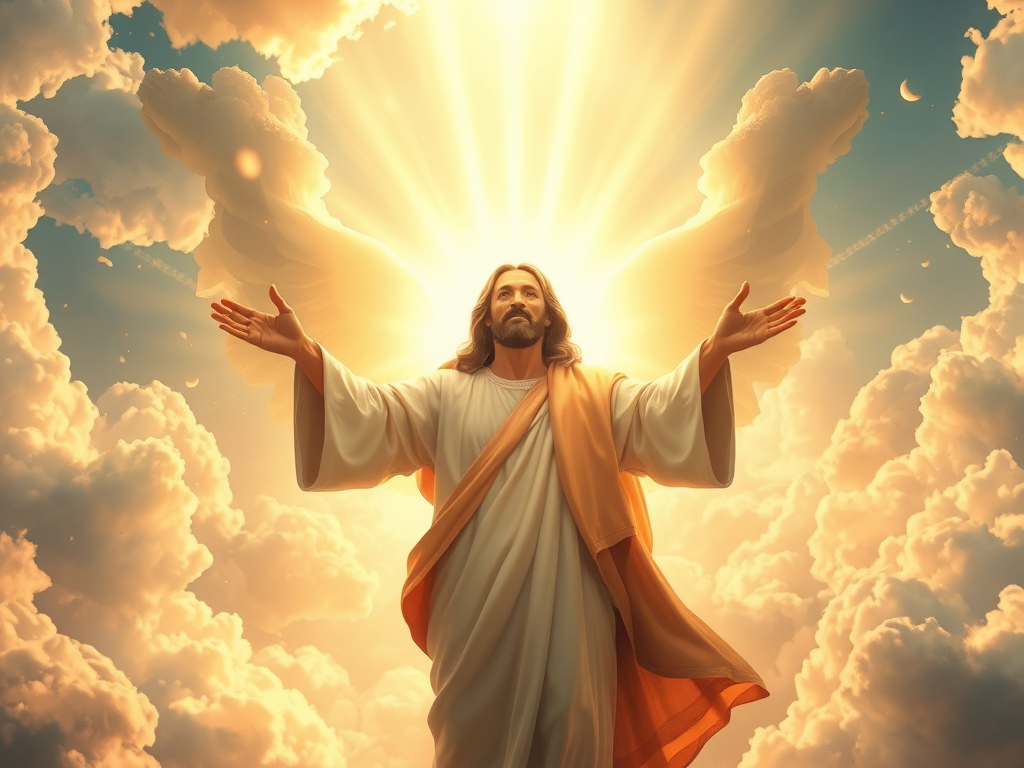
Chapter 3 therefore shows the high priest cleansed from filthy garments, Satan rebuked, the Branch promised, a stone with seven eyes linked to the removal of the land’s iniquity in one day, and resulting security under vine and fig tree. The accuser, the seven eyes, and the divine choice of Jerusalem are the clearest links to Revelation.



Leave a Reply