
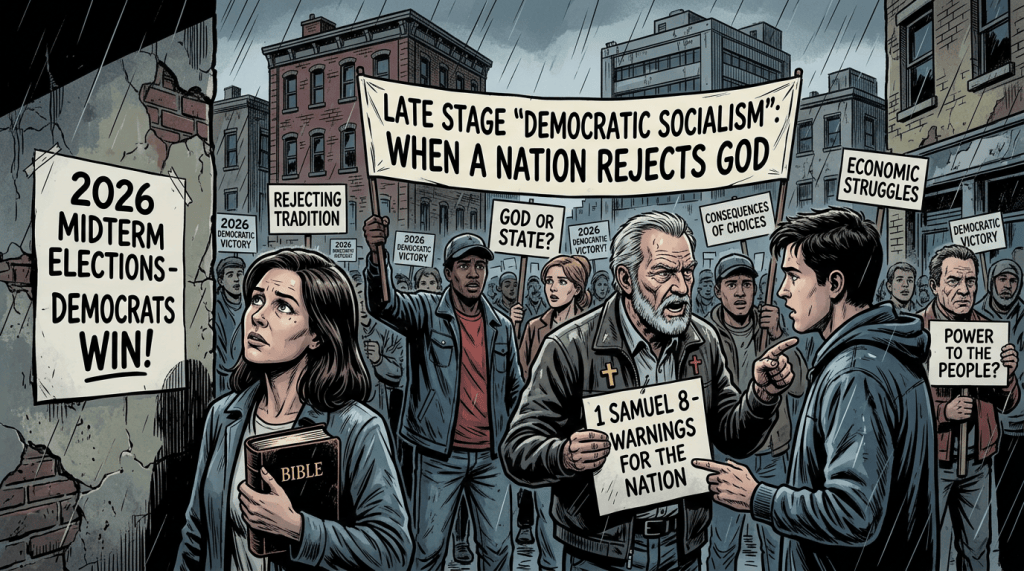
The 2026 midterms did not merely rearrange congressional majorities. They revealed a permanent fracture in American politics over the Jewish state, and that fracture is about to run straight through the churches that have spent decades refusing to name it.
Democrats swept both chambers on a platform that treated U.S. support for Israel as a moral scandal. Progressive candidates who called Israel’s actions genocide, demanded an end to military aid, and framed the Abrahamic land promise as settler-colonialism won seats.
Abdul El-Sayed’s victory in Michigan, the first Muslim elected to the Senate, was not an isolated demographic story; it was the electoral normalization of a view that denies the particular people and land God has not cast away.
On the Republican side, Vice President JD Vance recorded what the data showed: a measurable portion of the 2024 Trump coalition ranked “change our relationship to Israel” among the top reasons they abandoned the party. The war with Iran, domestic costs, and “America First” rhetoric supplied the rest.
The stone of Jerusalem had become burdensome even for voters who once treated the relationship as non-negotiable. These results are not primarily about Gaza policy or Netanyahu’s coalition arithmetic. They are the political expression of a deeper rejection.
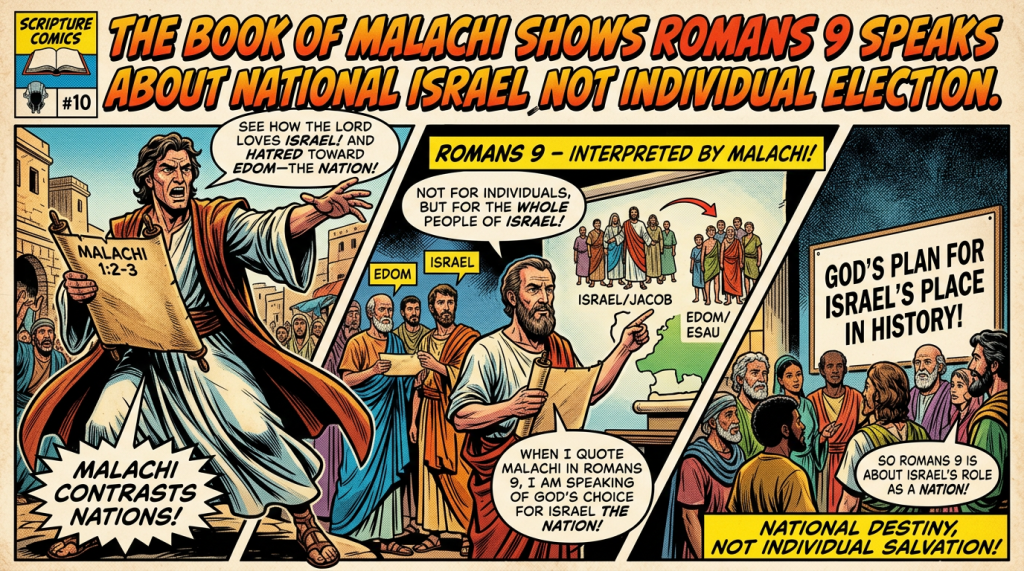
A literal reading of Scripture treats the Abrahamic covenant as everlasting and unilateral: the land of Canaan is an everlasting possession to Abraham’s seed through Isaac (Genesis 17:7–8). The Mosaic covenant was conditional; national disobedience brought exile. The Davidic covenant promises an enduring throne. Romans 11 settles the question of permanence: “Hath God cast away his people? God forbid.” Blindness in part continues until the fullness of the Gentiles, after which “all Israel shall be saved.” Gentiles are grafted among the natural branches and warned in the strongest terms not to boast against them or become highminded, lest they themselves be cut off.
Zechariah 12 describes Jerusalem as a burdensome stone for all people; those who burden themselves with it shall be cut in pieces, though all the earth be gathered against it. These texts do not permit the church to treat Israel’s title as transferred, symbolic, or finished.
Replacement theology and its covenant-theology cousins do precisely that. They collapse the covenants into one broken contract, spiritualize the land promises as fulfilled in the church, and treat ethnic Israel as permanently cast off for rejecting Christ. The practical fruit is highmindedness against the natural branches and silence when the world gathers against Jerusalem. Many churches have refused to rebuke this system for decades. They have preferred the appearance of theological sophistication, the avoidance of controversy, or the claim that “Jesus and his Church is what matters.”
In the process they have constructed a functional Christ who has no use for Zechariah 12’s address to the house of David or Romans 11’s explicit prohibition. That is not a minor difference of eschatological emphasis. It is the selective attention that produces another Jesus.
The Laodicean condition described in Revelation 3:14–22 is the perfect description of the assemblies that have tolerated this. They are neither cold nor hot. They assess themselves as rich, increased with goods, and in need of nothing, while remaining wretched, miserable, poor, blind, and naked. They have already compromised the apostolic pattern of plural eldership, doctrinal purity for the saints, selfless service, and discipline for unrepentant sin.
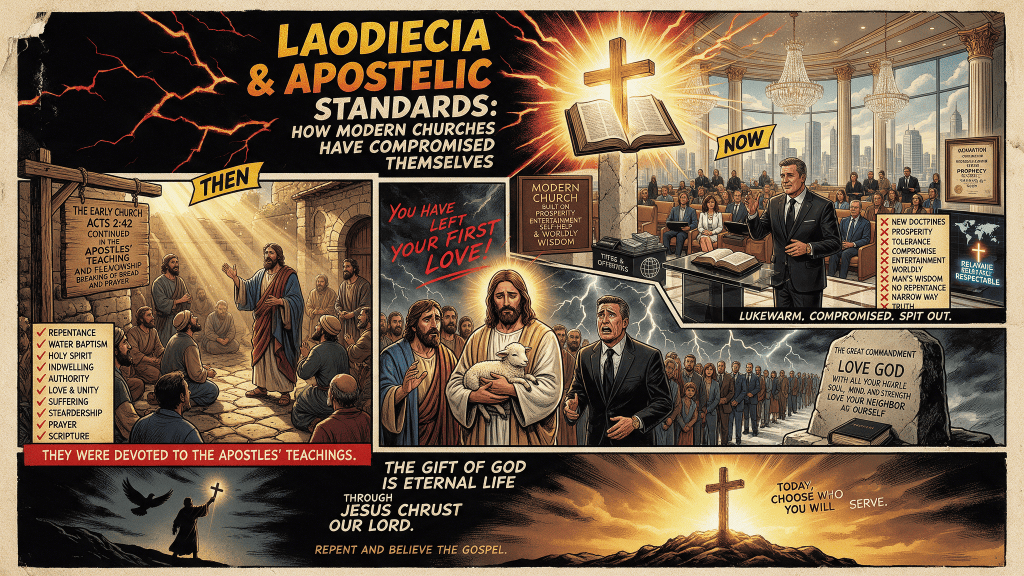
Seeker-sensitive dilution, prosperity metrics, and cultural accommodation have produced churches that cannot see their own poverty. Such assemblies will not suddenly acquire the courage to stand for the plain covenants when the political cost rises. They will prefer the self-assessment of moral seriousness, the language of “both sides,” or outright moral cover for the gathering against Israel.
2027 will force the choice.
The new Congress takes office in January. It includes a larger progressive contingent that campaigned against U.S. support for Israel and a Democratic majority prepared to condition or end aid, recognize rival political entities, or impose diplomatic isolation. The Israeli election produced deadlock rather than a stable majority capable of decisive policy. The channels opened in 2025 for Gulf capital and confessional realignment remain available. Vance’s recorded voter demand supplies the popular warrant on the right: a substantial share of the prior coalition will not punish a change in the relationship.
The practical result is that the United States, as a nation and as a people, takes up the burdensome stone. Churches that have refused to rebuke replacement and covenant theologies will be confronted with the question they have spent years avoiding. Will they affirm the everlasting possession and the non-casting-away of Israel, or will they accommodate the spirit that treats Jewish self-determination as uniquely illegitimate?
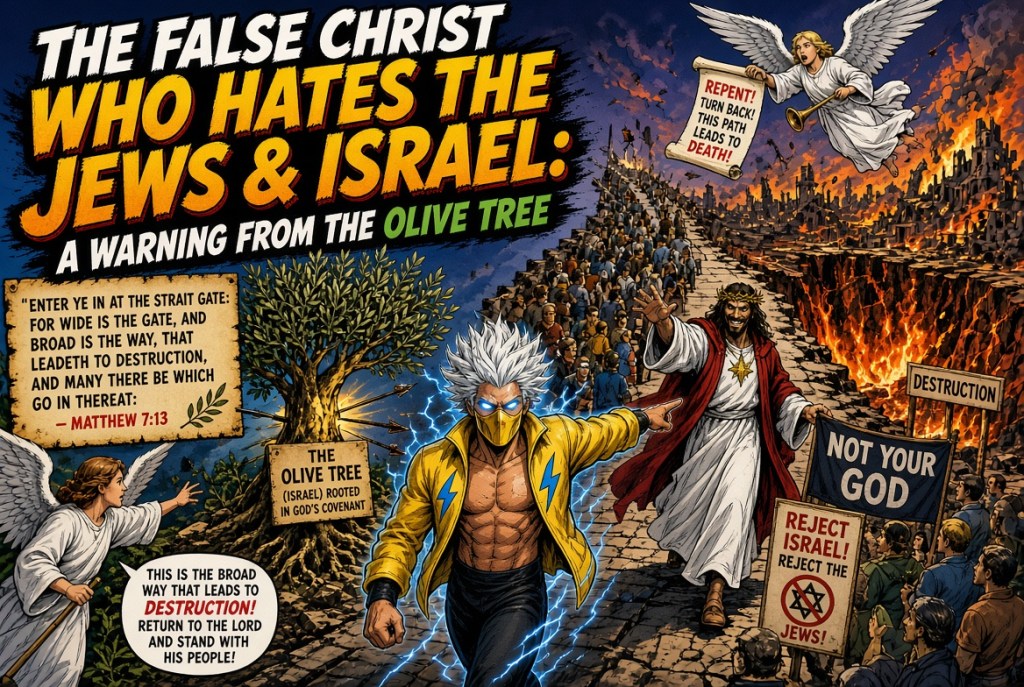
The fracture will not be polite. Assemblies that continue in highmindedness, that baptize the progressive rejection as “justice,” or that remain silent to preserve institutional peace will discover that the conditional warning in Romans 11:20–22 is not theoretical. Those who boast against the branches and refuse to continue in His goodness stand under the threat of being cut off. The Laodicean verdict follows for those who say “Lord, Lord” while working the iniquity of selective theology and worldly accommodation. Churches that have already subordinated sound doctrine to itching ears will not suddenly insist on the distinction between the everlasting Abrahamic grant and the conditional Mosaic.
They will fracture internally between those who open the door and those who do not. Externally they will be distinguished from the remnant that refuses any compact denying the covenants.
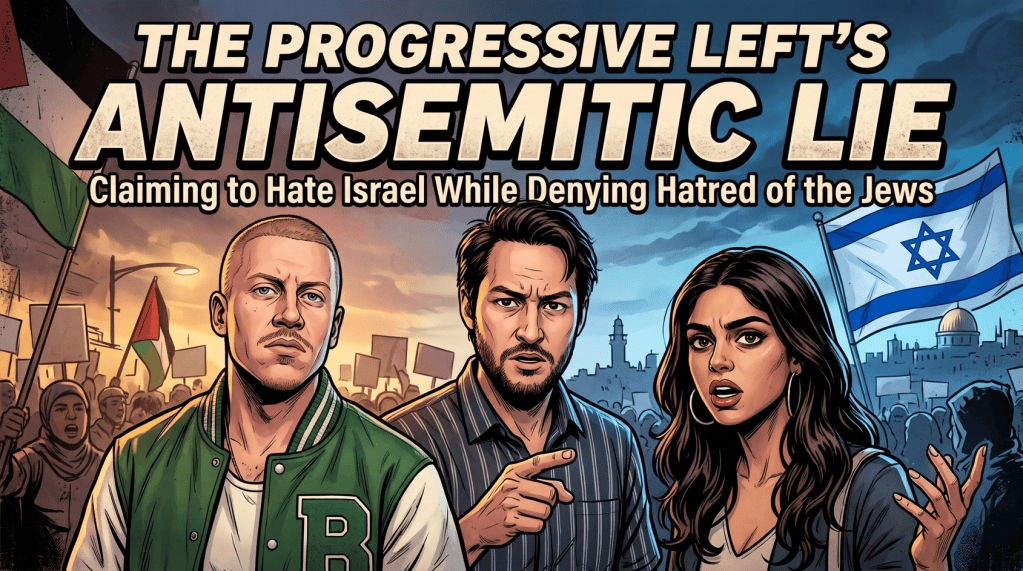
This is not a prediction that every congregation collapses on a single calendar date. It is the recognition that the midterms have already demonstrated the electoral power of opposition to Israel, that the biblical texts make that opposition a spiritual as well as political matter, and that lukewarm churches are structurally unequipped to meet the test. The three faces of anti-Zionism—unbelieving Gentiles using the language of settler-colonialism and genocide, the professing “Church” that collapses the covenants and supplies moral cover, and the minority of Jews against Zion who provide rhetorical cover—now include a measurable portion of former Republican voters.

The institutional form supplied by progressive economics and political Islam’s denial of the Son accelerates the pressure. Churches that will not rebuke the theological systems that erase Israel’s enduring title have already chosen the side that treats the root as disposable.
The remedy remains the one given to Laodicea and repeated in Romans 11. Be not highminded, but fear. Continue in His goodness. Be zealous and repent. Buy refined gold tried in the fire, white raiment, and eyesalve. Open the door to the Christ who is able to graft the natural branches in again and who commands the grafted not to boast against them. Pray for the peace of Jerusalem according to the text rather than according to the substitute narratives that recast the everlasting possession as occupation.
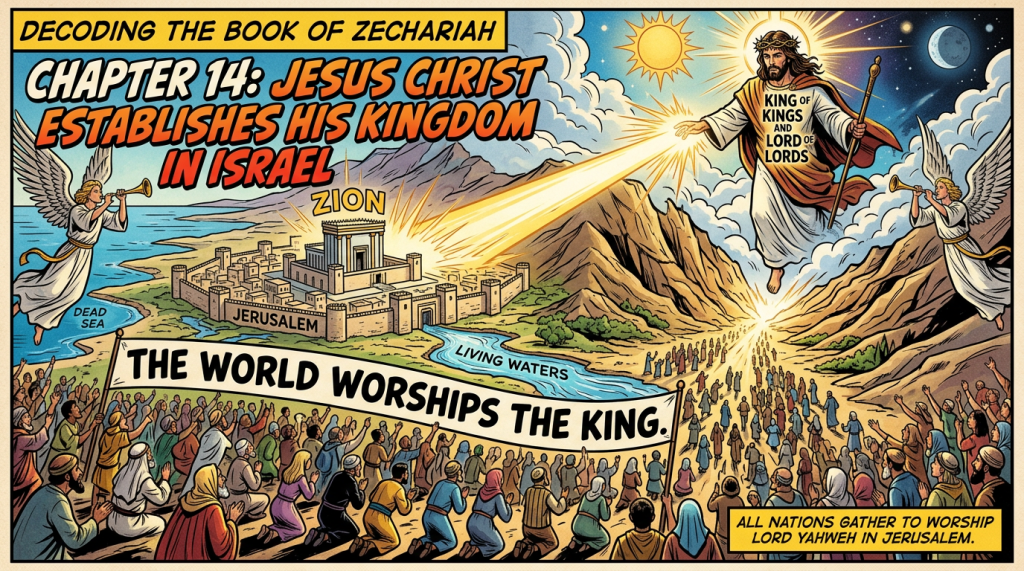
Refuse the compact that denies the covenants. The gifts and calling of God are without repentance. The world is taking up the stone. The churches that have refused to stand for the plain truth of Scripture will not stand when the pressure becomes institutional. They will fracture, and the fracture will be the judgment already written.


Leave a Reply