Dispensational Christian Content Creator.
Weekly Podcasts, Interviews, Biblical Editorials, Film Reviews, & More.
New Podcast Episodes Sundays & Wednesdays
-
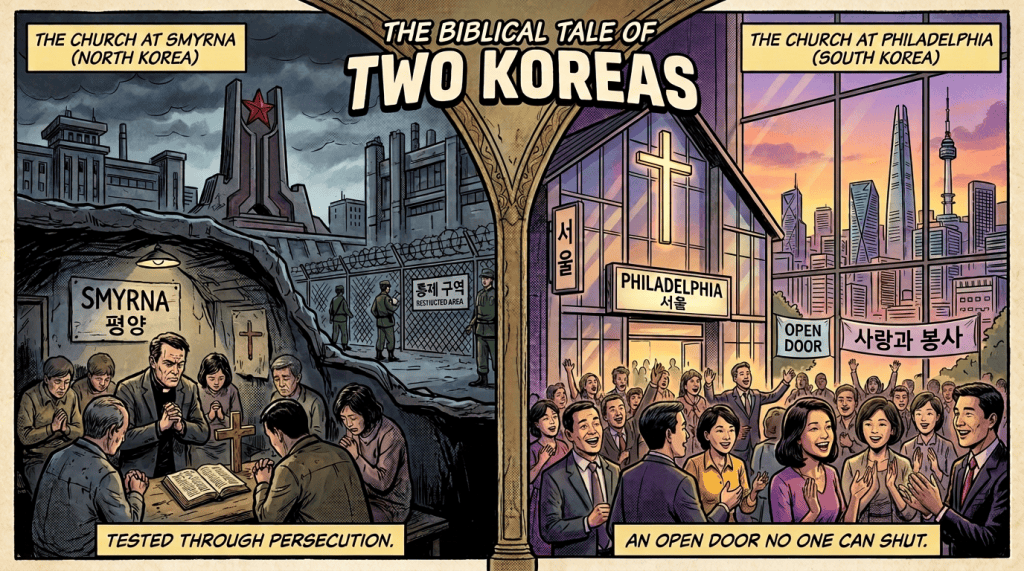
The Biblical Tale of Two Koreas: Smyrna (North Korea) and Philadelphia (South Korea)
In the early years of the twentieth century, Pyongyang was known among Protestant missionaries as the Jerusalem of the East. Churches dotted its skyline. A Presbyterian seminary trained indigenous leaders. Hospitals and schools founded by missionaries stood alongside growing congregations. The city was the center of a movement that had taken root faster in the… Read more
-
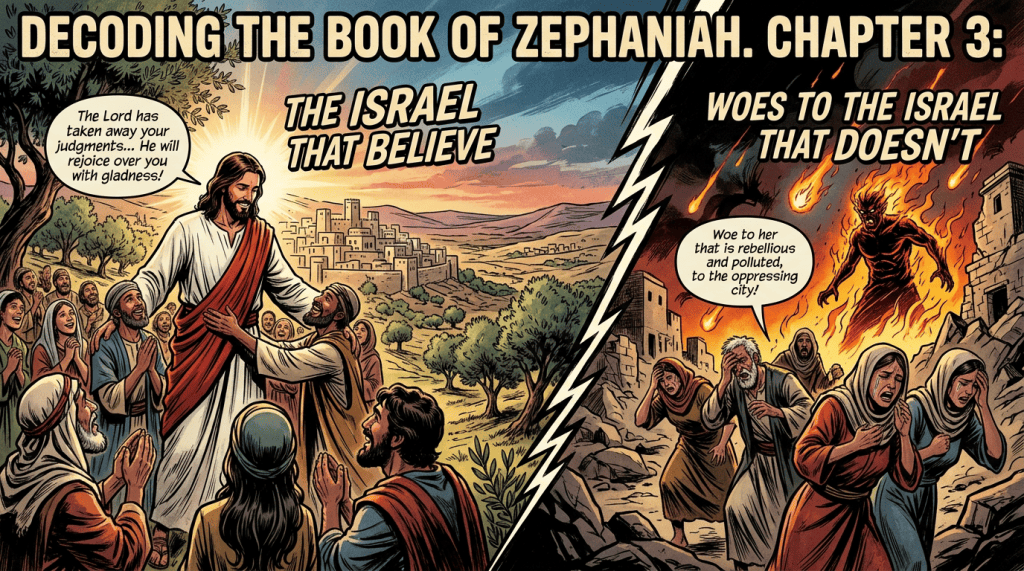
Decoding The Book of Zephaniah. Chapter 3: Jesus Christ Restores The Israel That Believe, Woes The Israel That Doesn’t
The Lord throughout is identified as Jesus Christ. Jerusalem, Zion, and the daughter of Jerusalem refer to Israel. The chapter begins with judgment on the polluted city (Jerusalem/Israel) and moves to the day when the Lord gathers the nations for the outpouring of His fierce anger (paralleling the final judgments in Revelation and the tribulation… Read more
-
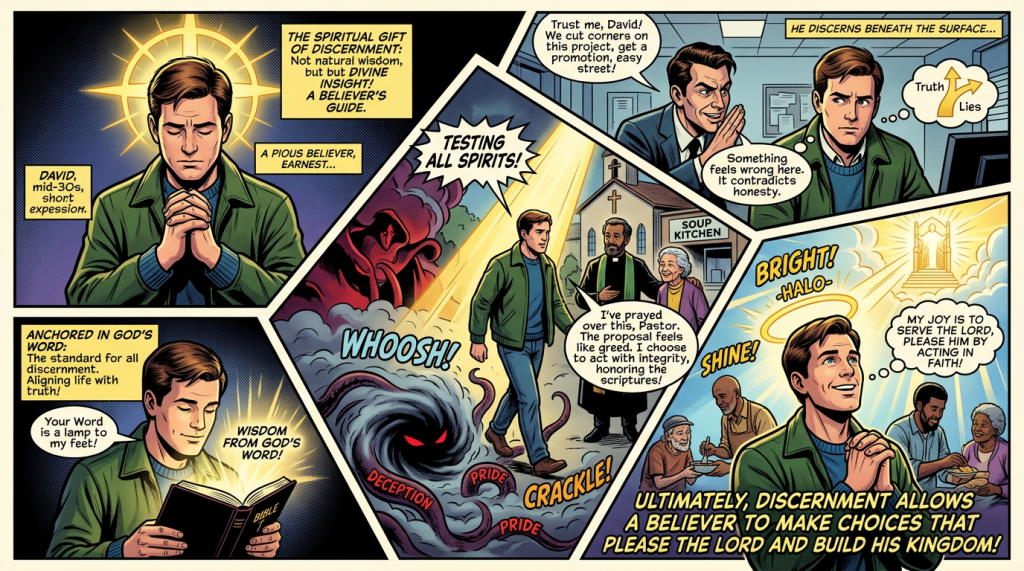
How a Believer Can Use the Gift of Discernment to Please the Lord
You stand on biblical truth. You refuse to be deceived by the teachings of false religions. Spiritual attacks to make you doubt your faith are ineffective. You know the enemy’s plan before he can roll it out. You can see God’s plan play out in real time. You can see the world’s lies for what… Read more
-

Why The 2026 French Riots Expose The Union of Political Islam and Communism Scripture Warned About
The images coming out of France this week do not look like a labor dispute. They look like a declaration. In Limoges, the Hôtel de Ville—a building that survived the German occupation—is now a blackened shell, its tower collapsed into flame. In Paris streets and squares, Palestinian and Algerian flags dominate crowds that officials describe… Read more
-
The Goddess Who Never Left: Why Ishtar Is The “god” of The LGBTQ
In 2026 the rainbow flag flies over public schools, corporate headquarters, and government buildings with a regularity once reserved for the national colors. Pediatric clinics prescribe cross-sex hormones to adolescents and, in some jurisdictions, to children still years from puberty. Dissenters are labeled bigots or threats to safety. The vocabulary is modern—“gender-affirming care,” “bodily autonomy,”… Read more
-
Why Satan Is Being Preparing The World to Fight God Over Israel
The streets of Western capitals fill with keffiyehs and chants of “from the river to the sea.” University campuses treat the existence of the Jewish state as a moral scandal. The intensifying hostility toward Israel—visible in Western street protests, campus occupations, online campaigns, and the diplomatic recognitions of a Palestinian state by leaders in France,… Read more
-
Why The ‘Free Palestine’ Movement Is The Spirit of Antichrist
By any serious reading of the New Testament, the “spirit of antichrist” is not a distant eschatological abstraction. The apostle John defined it in the plainest terms: it is the denial that Jesus is the Christ, the rejection of the Father and the Son, and the active work of deception that replaces the gospel with… Read more
-
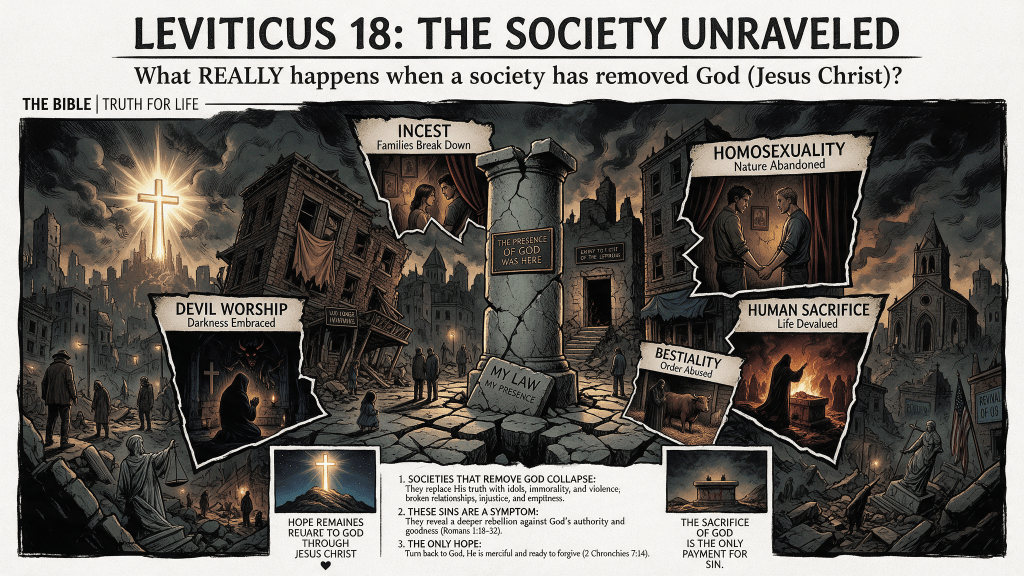
Leviticus 18 Study: Does Society Get Better When Christianity Is Removed? No…
The Canaanite Experiment: What the Biblical Record Shows When a Society Casts Off the Lord? Christianity in decline means society is getting better right? No Christians in government is a good thing, right? No more moral laws from the bible is a great thing, right? No. Secular atheists have long insisted that the removal of… Read more
-
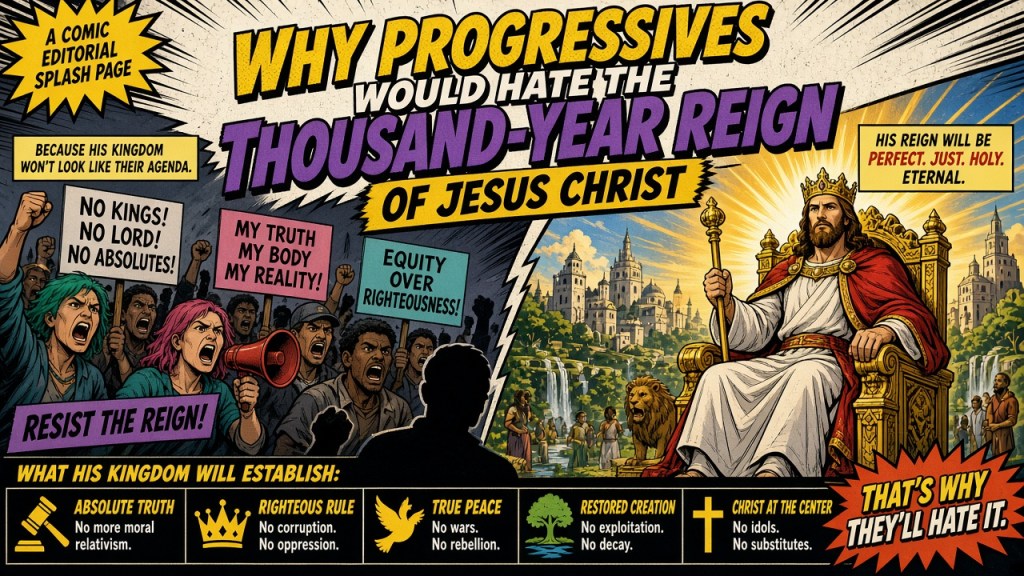
Why The Left Would Hate the Thousand-Year Reign Of Jesus Christ
The prophetic descriptions of the thousand-year reign present a public order in which the law of the God of Jacob proceeds from Zion, the nations are taught his ways, and the King rules with a rod of iron. For a person shaped by the Democratic Socialists of America platform, that order would not appear as… Read more
-
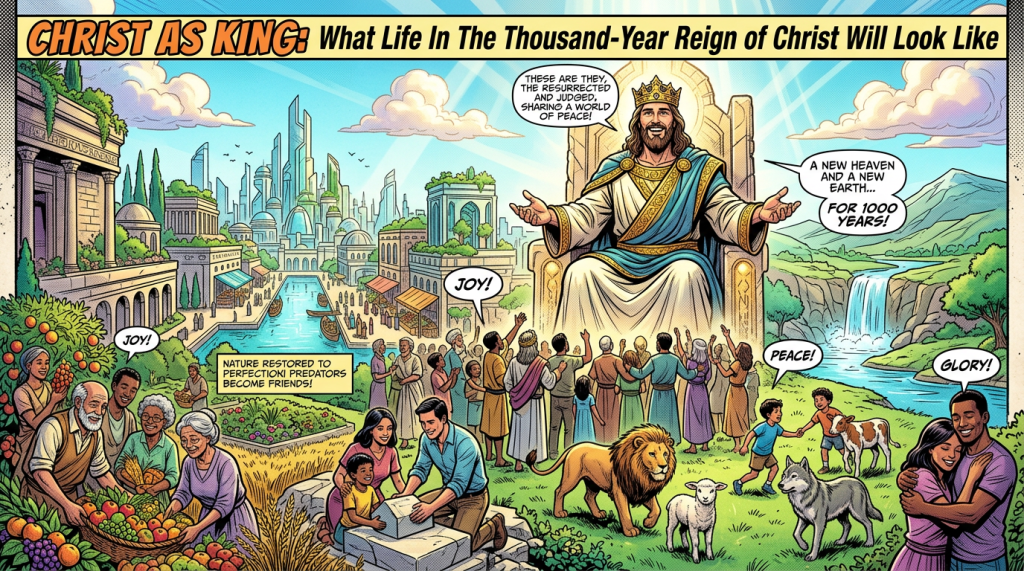
Christ As King: What Life In The Thousand-Year Reign of Christ Will Look Like
In the prophetic literature of the King James Bible, the thousand-year reign of Christ is not an abstraction or a spiritual metaphor. It is a concrete administration centered in Jerusalem, in which the law of the God of Jacob proceeds from Zion and the nations are taught his ways. The texts describe both the statutes… Read more
-
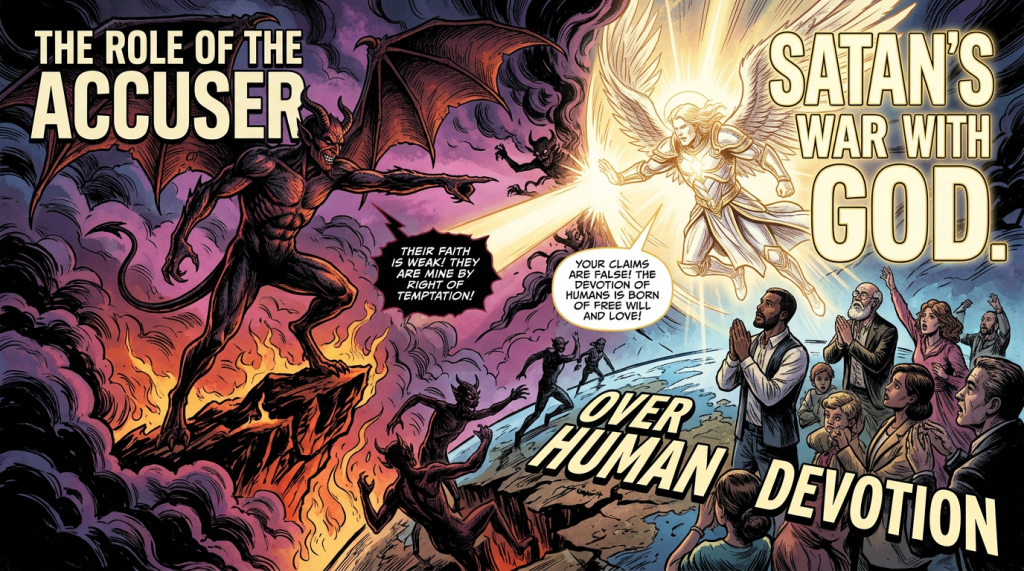
The Role Of The Accuser. Satan’s War With God Over Human Devotion
In an era that prefers to treat human failings as the products of systems, trauma, or mere social construction, the Bible presents a more austere picture. Evil is not only structural; it is personal, and one of its chief activities is accusation. The bible shows Satan functioning repeatedly as the accuser of men—questioning motives, highlighting… Read more
-
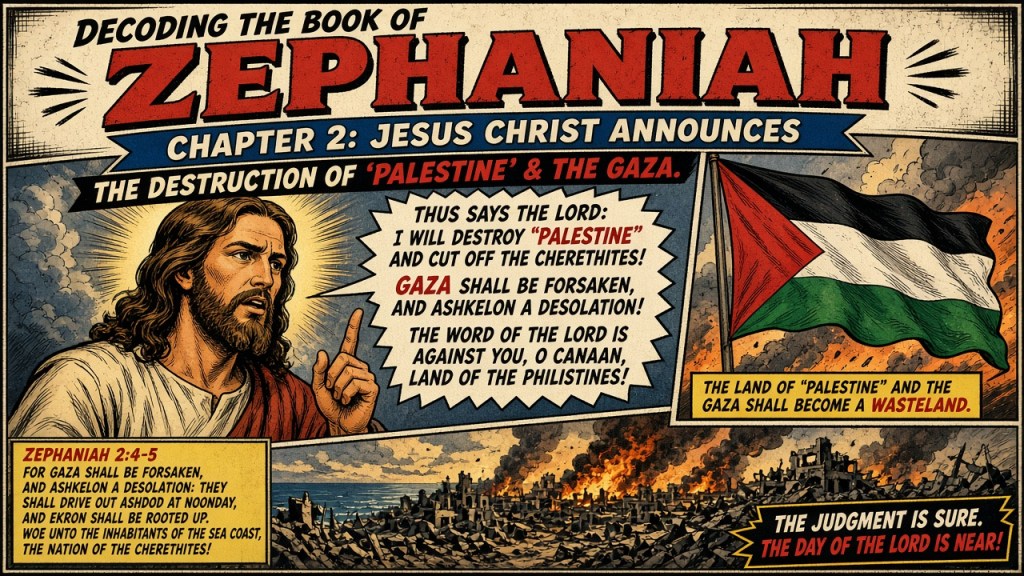
Decoding The Book of Zephaniah. Chapter 2: Jesus Christ Announces The Destruction of ‘Palestine’ & The Gaza
Zephaniah 2 (KJV), verse-by-verse, using a literal reading of the King James text as the standard. The Lord throughout is identified as Jesus Christ. Ancient places are given modern equivalents. This chapter shifts from judgment on Judah/Israel (Chapter 1) to a call for the meek remnant to seek the Lord before the day of His… Read more
-
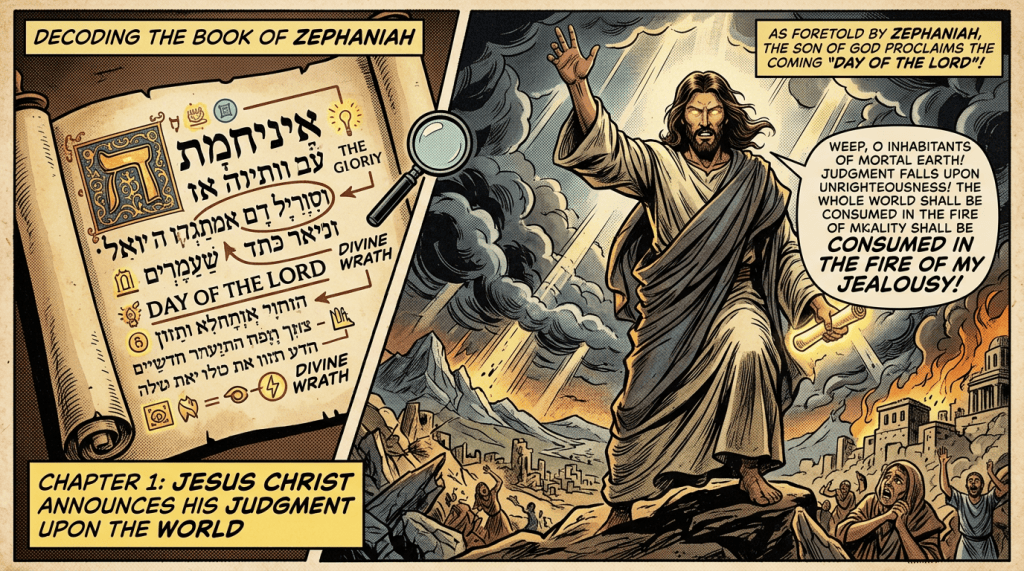
Decoding The Book of Zephaniah. Chapter 1: Jesus Christ Announces His Judgment Upon The World
Zephaniah 1 (KJV), verse-by-verse, using a literal reading of the King James text as the standard. The book is the word of the Lord (identified as Jesus Christ) given through Zephaniah in the days of Josiah, king of Judah. The primary near historical reference is judgment on Judah and Jerusalem (modern Israel) for idolatry and… Read more
-
Are Secular Jewish Elites The Herodians of Modern Times?
The Jewish people have endured centuries of exile, persecution, and attempted annihilation, yet they returned to their ancestral land and built a free, prosperous democracy that stands as a beacon of resilience in a hostile region. Israel’s right to exist and defend itself is not a partisan slogan but a moral and historical necessity. Most… Read more
-
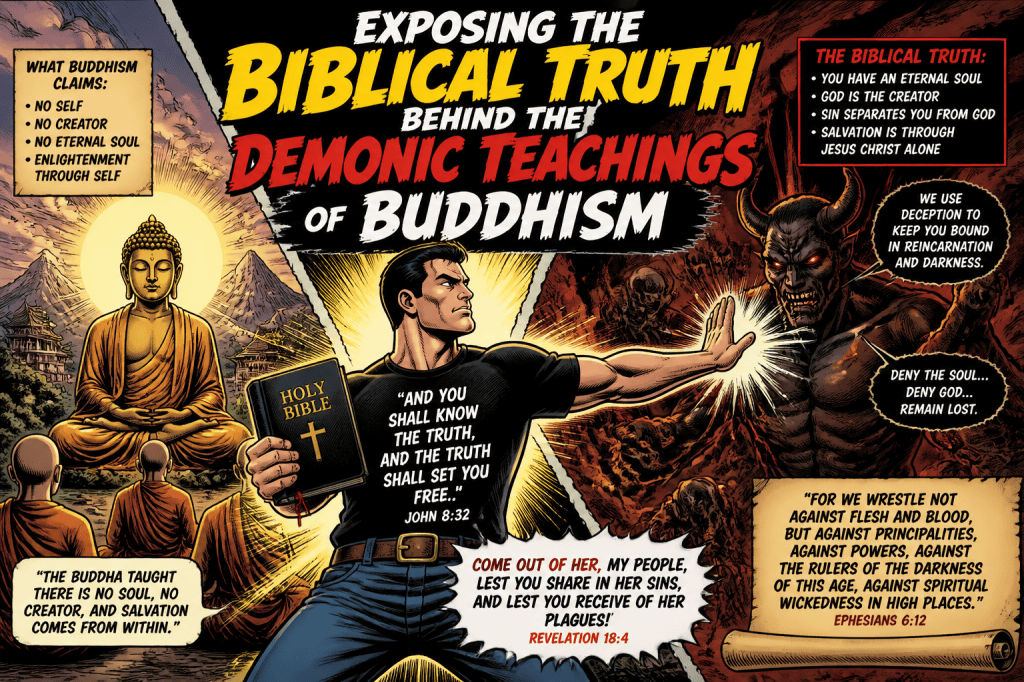
Exposing The Truth Behind The Demonic Teachings of Buddhism
Buddhism presents itself as a gentle path of compassion, mindfulness, and liberation from suffering, a tradition that has shaped the civilizations of East Asia for two millennia. Temples draw pilgrims, meditation apps promise peace, and cultural exports from Japan, Korea, and China continue to lend the religion an aura of ancient wisdom. Yet when measured… Read more
-
A Rebuke Of Feminine Toxic Empathy: When Compassion For Wickedness Becomes an Abomination
In recent years a peculiar moral disorder has taken root in public discourse. It presents itself as compassion, yet it systematically extends sympathy to the wicked while condemning those who uphold justice. The Bible, read literally as the standard by which all claims must be judged, names this disorder an abomination. Proverbs 17:15 declares, “He… Read more
-
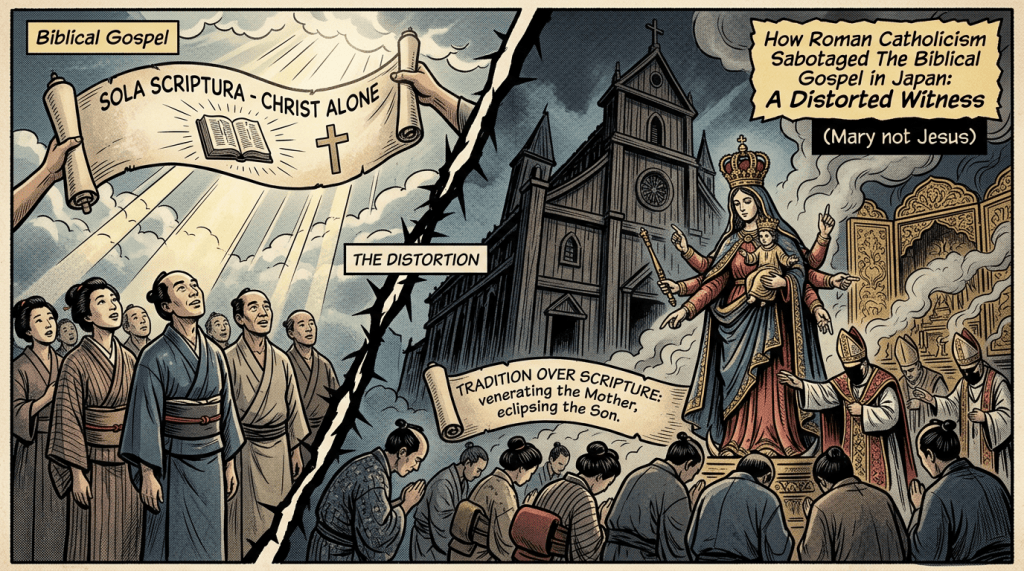
A Distorted Witness: How Roman Catholicism Sabotaged The Biblical Gospel in Japan
The first “Christian” teaching to reach Japan was not the gospel the apostle Paul delivered to the Corinthians—that Christ died for our sins according to the scriptures, that he was buried, and that he rose again the third day (1 Corinthians 15:1–4). It was the religion of the Roman Catholic Church, the system a literal… Read more
-
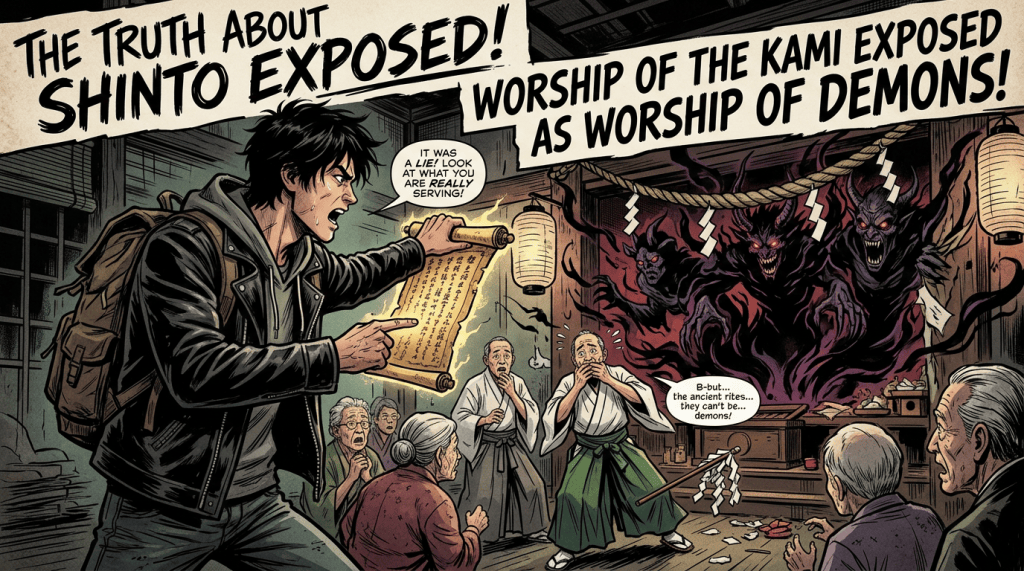
The Truth About Shinto Exposed: Worship Of The Kami Exposed As Worship Of Demons
Japan stands as one of the most prosperous, educated, and technologically advanced societies on earth, yet fewer than one percent of its people identify as Christian, and the number of those who would meet a definition of born-again believers—those who have trusted solely in the death, burial, and resurrection of Christ for the forgiveness of… Read more

