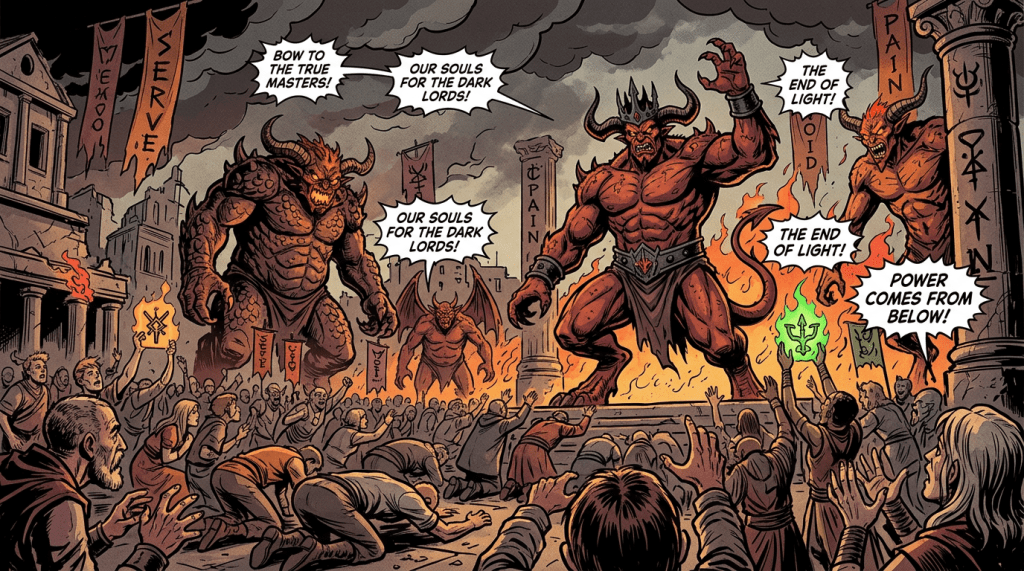
In the quiet aftermath of the sixth trumpet judgment described in the Book of Revelation, a chilling observation is recorded. After a third of mankind has been killed by supernatural forces of fire, smoke, and brimstone, the survivors do something extraordinary: they refuse to change course.
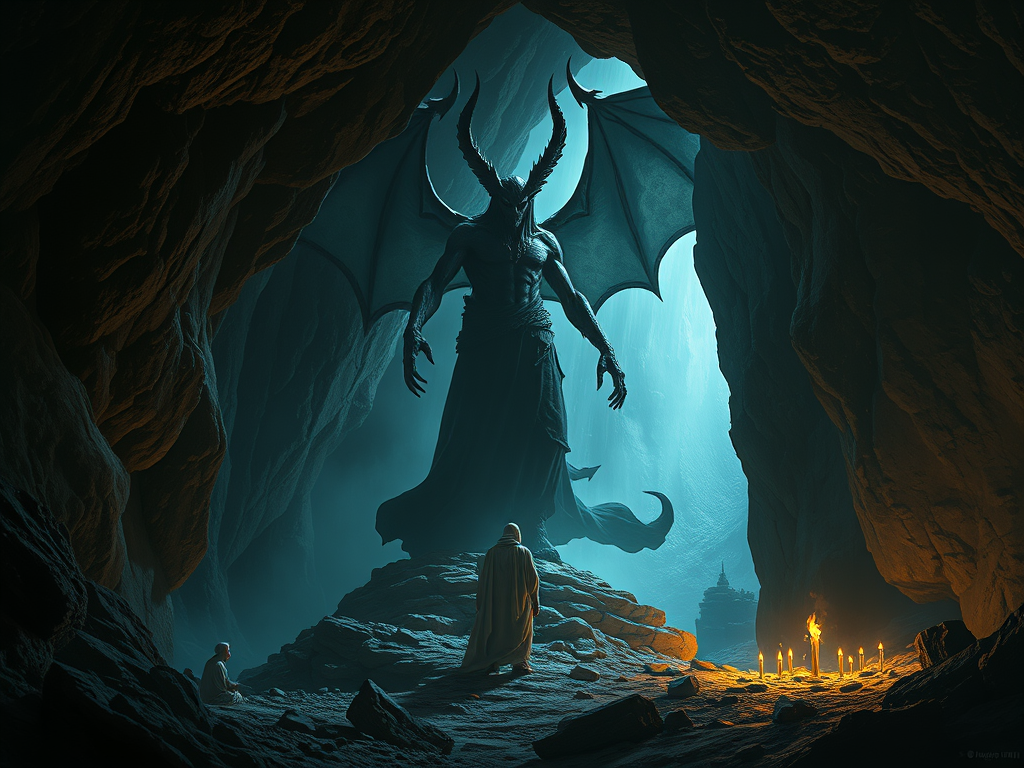
Revelation 9:20–21 in the King James Version states with stark clarity: “And the rest of the men which were not killed by these plagues yet repented not of the works of their hands, that they should not worship devils, and idols of gold, and silver, and brass, and stone, and of wood: which neither can see, nor hear, nor walk: Neither repented they of their murders, nor of their sorceries, nor of their fornication, nor of their thefts.”
This is not ancient poetry. Under a literal reading of Scripture, it is a precise diagnosis of the human condition at the end of the age. The text identifies the core pathology as the persistent worship of “devils”—demonic entities—masked behind lifeless idols and cultural systems. The accompanying sins of murder, sorcery (pharmakeia), sexual immorality, and theft form the predictable fruit. What the modern world dismisses as progress, pluralism, or personal liberation appears, through this lens, as the very refusal to repent that the prophecy anticipates.
The pattern begins with false gods. Islam, with its exclusive devotion to Allah, is presented in rigorous biblical analysis as a sophisticated counterfeit. The denial of the crucifixion and resurrection of Jesus Christ (Quran 4:157), the inversion of the Abrahamic covenant from Isaac to Ishmael, and the retention of the pre-Islamic Kaaba with its Black Stone are not neutral cultural features. They constitute the worship of a deity foreign to the God of Abraham, Isaac, and Jacob.
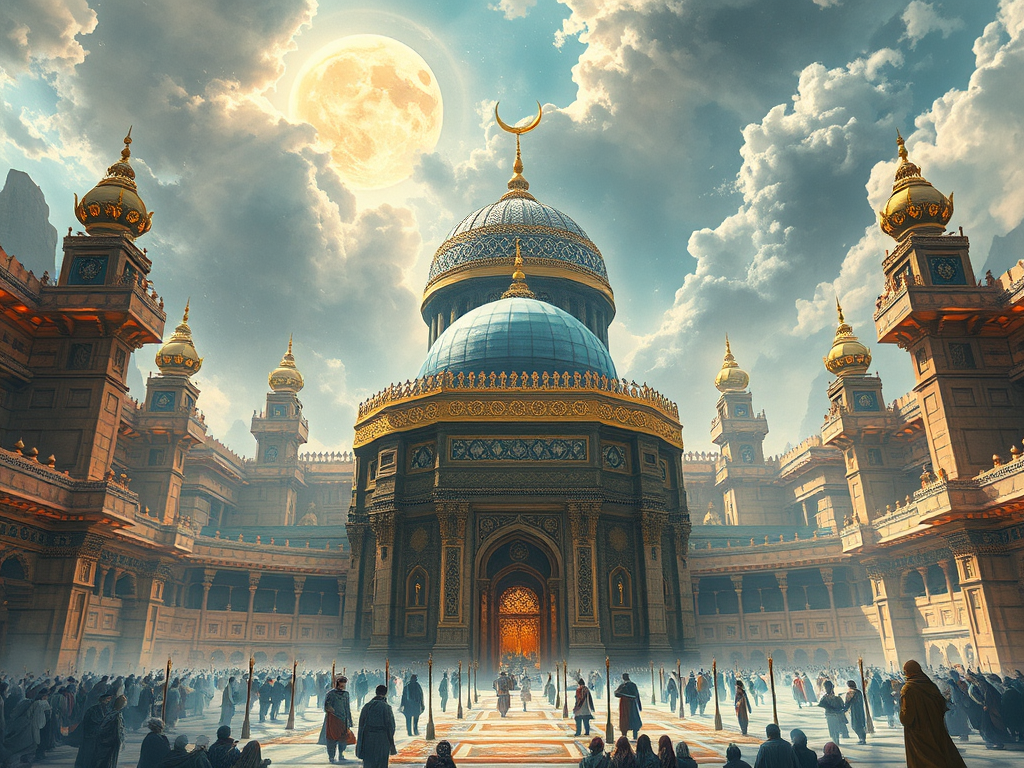
The daily global orientation of nearly two billion people toward a stone structure that once housed 360 idols, combined by an angelic messenger whose message contradicts the apostolic gospel, fulfills the warning of Galatians 1:8 and the transformation of Satan into an “angel of light” (2 Corinthians 11:14). The system is monotheistic in appearance yet demonic in substance—precisely the kind of refined idolatry Revelation 9 describes.
Roman Catholicism’s veneration of Mary and the saints receives the same scrutiny. Apparitions from Guadalupe to Fatima to Lourdes consistently elevate Mary to co-redemptrix and mediatrix roles that Scripture reserves for Christ alone (1 Timothy 2:5). Messages of fear, works-righteousness, and obligatory devotion to images and medals stand in direct contradiction to the finished work of the cross. When these radiant figures promote doctrines absent from or opposed to the closed canon of Scripture, they match the biblical profile of deceiving spirits (1 Timothy 4:1). The “works of their hands”—statues, medals, scapulars—become the modern equivalents of the gold, silver, brass, stone, and wood idols that cannot see, hear, or walk, yet command the allegiance of millions.
The ancient pantheons of Greece, India, and the North are not dismissed as mere mythology. A literal reading of Genesis 6:1–4 identifies the “sons of God” as fallen angels who cohabited with human women, producing the Nephilim—“mighty men which were of old, men of renown.” The flood destroyed their physical forms, but the memory survived through Noah’s line and was corrupted at Babel. Zeus fathering demigods, Indra and Krishna’s hybrid origins, Thor battling giants—these are distorted recollections of that primordial rebellion.

Paul is explicit: “the things which the Gentiles sacrifice, they sacrifice to devils, and not to God” (1 Corinthians 10:20). The same spirits that once received temple offerings now receive cultural adoration.That adoration has been updated for the digital age. The superhero industrial complex—Superman as the alien raised by humans, Wonder Woman as daughter of Zeus, Thor as the Norse god rebooted—functions as the commercial descendant of the Ephesian silversmiths who rioted over threats to their trade in Diana shrines (Acts 19).
These “men of renown” normalize the hybrid, the superhuman, and the god-like figure while generating billions in revenue. The Nephilim motif has simply moved from marble temples to multiplex screens.
Even more contemporary is the alien narrative. Reports of greys, reptilians, abductions, hybridization programs, and physics-defying craft align not with interstellar biology but with the supernatural capabilities of fallen angels and the restless spirits of the Nephilim.
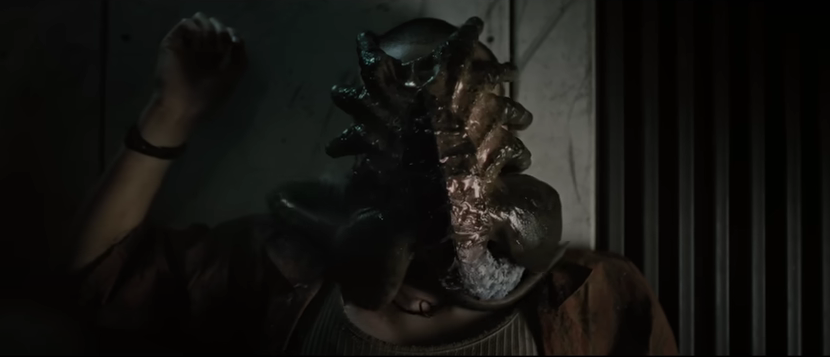
The entities’ reaction to the name of Jesus, their promotion of anti-Christian worldviews, and their claims of genetic intervention mirror the Watchers of Genesis 6 and the Book of Enoch. In an end-times context, this narrative is uniquely suited to explain the sudden disappearance of believers in a pre-tribulation rapture as an extraterrestrial “harvest,” fulfilling the strong delusion of 2 Thessalonians 2:11.
What the culture calls disclosure may be the latest disguise of the same demonic realm. The fruits listed in Revelation 9:21 are equally visible. Pharmakeia—sorcery—finds modern expression in the opioid and fentanyl epidemic, whose rigid, puppet-like states and convulsions evoke the physical manifestations of possession in the Gospels. Mass violence targeting the innocent, the faithful, and children parallels the self-destructive rage of the Gadarene demoniac (Mark 5).
Celebrity breakdowns and certain cultural aesthetics that celebrate the grotesque or the rebellious are read as public displays of spiritual oppression. Schizophrenia’s commanding voices are compared to unclean spirits that recognize divine authority. These are not presented as exclusive explanations for every medical case, but as evidence that the unseen realm continues to operate where Scripture said it would.
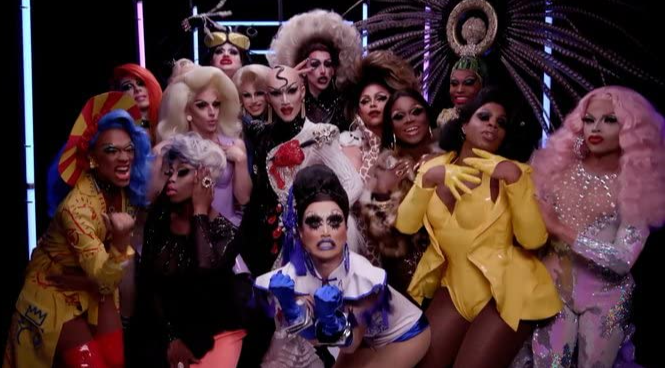
The sexual and identity revolution is traced to the same sources. The demand of the men of Sodom for the angelic visitors (Genesis 19) establishes the first recorded instance of society-wide homosexual compulsion. The cult of Ishtar/Ashtaroth featured cross-dressing priests, ritual gender transformation, and same-sex temple acts—precisely the elements now celebrated as progress. The medicalization of children through puberty blockers, cross-sex hormones, and irreversible surgeries is mapped onto Molech worship, the ancient practice of causing sons and daughters to “pass through the fire” for supposed blessing (Leviticus 18:21; Psalm 106:38).
Romans 1:25–27 describes the sequence with clinical precision: exchanging the truth of God for a lie, worshiping the creature, and being given over to “vile affections.” The six-color rainbow stands as a deliberate reduction of God’s seven-color covenant bow. This is not civil rights evolution; it is the revival of Babylonian and Canaanite demonology under new branding.
Mormonism offers another polished counterfeit. An angel named Moroni delivers “another testament,” adding to the closed canon in violation of Revelation 22:18–19 and Galatians 1:8–9. A different Jesus—spirit brother of Lucifer, a progressed man rather than the eternal God—and a works-based path to exaltation replace grace through faith alone. The promise of becoming gods of one’s own planet echoes the original lie in Eden and Satan’s ambition in Isaiah 14.
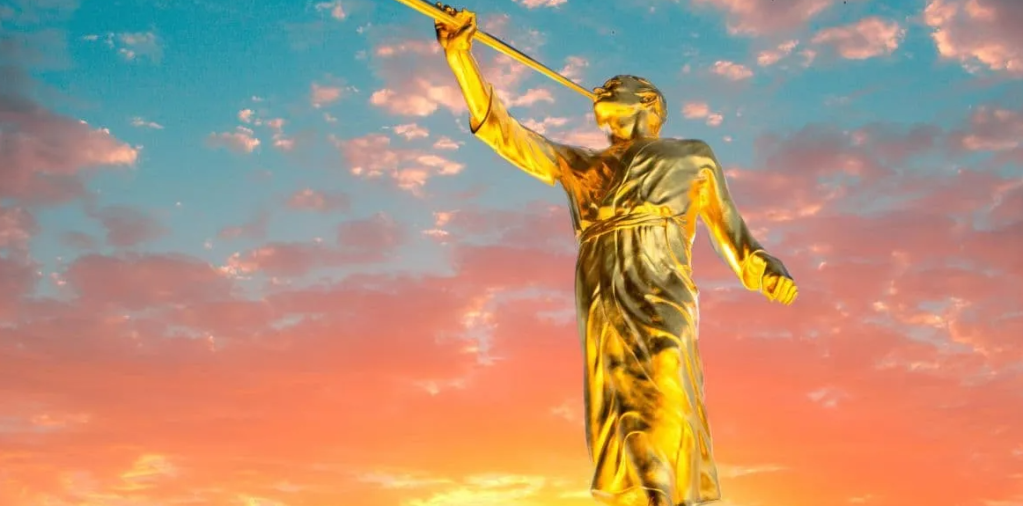
It is a 19th-century system that cloaks itself in Christian vocabulary while teaching doctrines of devils (1 Timothy 4:1). Across all these systems runs a common thread: the elevation of personal vision, cultural consensus, or institutional tradition above the pure Word of God. Modern testimonies of heaven and hell tours, past-life regressions, and angelic visitations frequently introduce reincarnation, works-righteousness, or fear-based obedience that contradict Hebrews 9:27, John 10:28, and Ephesians 2:8–9. Exodus 7, 2 Thessalonians 2, and Revelation 13 form a continuous warning: lying wonders can mimic the divine yet lead only to stronger delusion.
The tragedy of Revelation 9:20–21 is not that judgment falls, but that it fails to produce repentance. The survivors cling to the works of their hands—the idols, the systems, the experiences that cannot see, hear, or walk—while continuing in murder, sorcery, fornication, and theft. The modern world has merely refined the packaging. The Kaaba, the apparition, the comic-book god, the alien craft, the chemical high, the medicalized identity, the golden plates, and the viral vision all function as contemporary altars. Behind each stands the same unseen power that has sought worship since the rebellion in heaven.
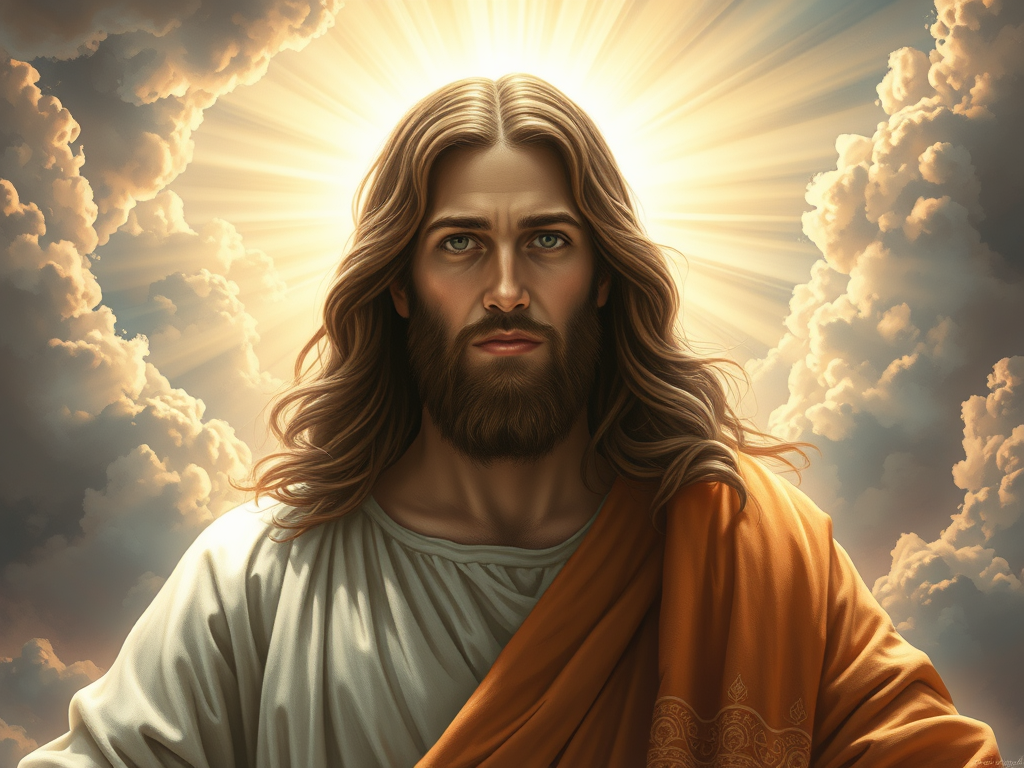
Scripture offers no middle ground. “Ye cannot drink the cup of the Lord, and the cup of devils” (1 Corinthians 10:21). The call of Isaiah 8:20 remains the only reliable test: if they speak not according to this word, there is no light in them. The prophecy does not describe a distant future so much as a present condition. The question it forces upon every generation is whether we will continue the ancient refusal or turn from the lifeless idols to the living God who alone can see, hear, and save. The rest of the men did not repent. The text leaves open the possibility that some still might.



Leave a comment