
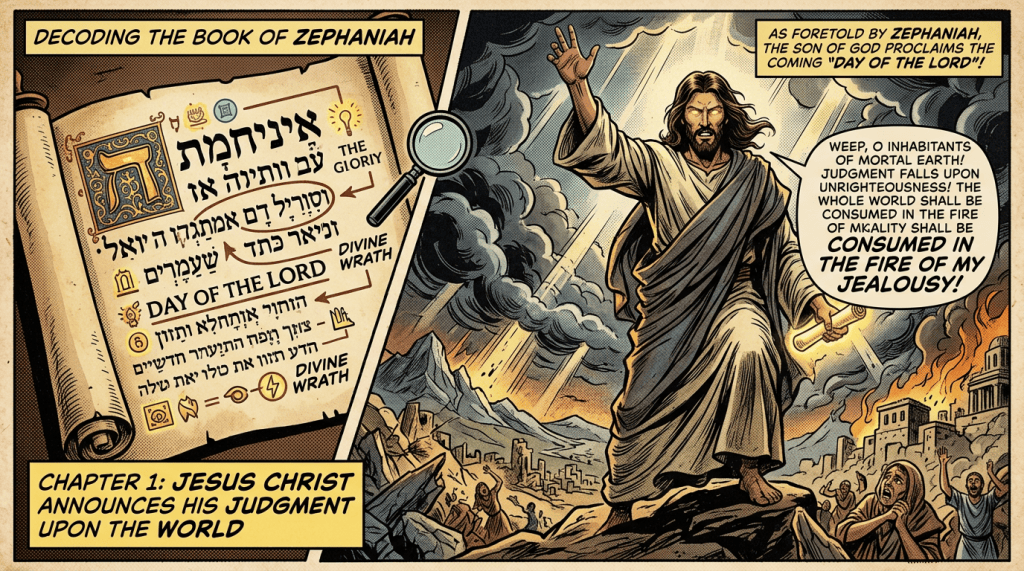
Zephaniah 1 (KJV), verse-by-verse, using a literal reading of the King James text as the standard. The book is the word of the Lord (identified as Jesus Christ) given through Zephaniah in the days of Josiah, king of Judah.
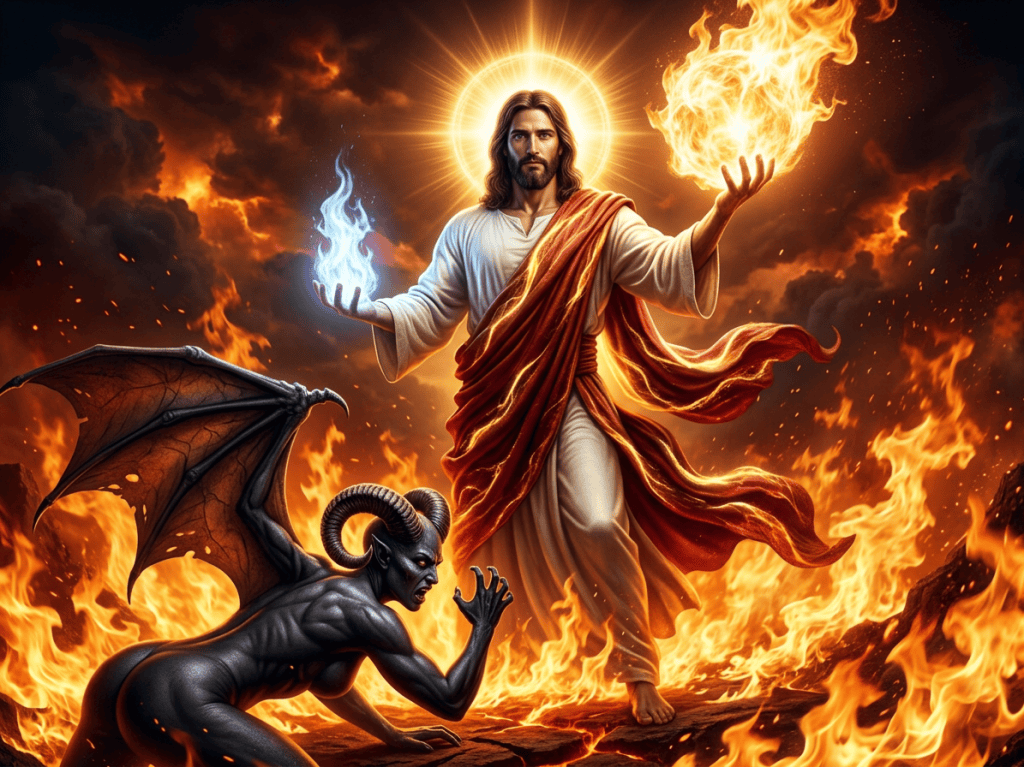
The primary near historical reference is judgment on Judah and Jerusalem (modern Israel) for idolatry and complacency, fulfilled in part in the Babylonian destruction. The language of the “day of the Lord,” wrath, sacrifice, darkness, trumpet, and devouring fire has extensive parallels throughout Revelation’s seals, trumpets, bowls, and the final day of wrath.
Ancient place names are given modern equivalents where applicable. The focus is internal judgment on Judah/Israel.
1:1 The word of the Lord which came unto Zephaniah the son of Cushi, the son of Gedaliah, the son of Amariah, the son of Hizkiah, in the days of Josiah the son of Amon, king of Judah.
This is the prophetic word of the Lord (Jesus Christ) to Zephaniah during Josiah’s reign over Judah. The genealogy traces the prophet’s line. The setting is the southern kingdom before the major Babylonian judgments.
1:2 I will utterly consume all things from off the land, saith the Lord.
The Lord (Jesus) declares a total consuming/sweeping away of everything from the land. This echoes the language of comprehensive judgment (cf. the flood imagery and the end-times consumptions in Revelation 6, 8–9, 16, and 20).
1:3 I will consume man and beast; I will consume the fowls of the heaven, and the fishes of the sea, and the stumblingblocks with the wicked; and I will cut off man from off the land, saith the Lord.
The Lord (Jesus) will consume humans, animals, birds, and fish, along with the stumbling-blocks (causes of offense/idolatry) and the wicked. Man is cut off from the land. This is language of total judgment parallel to Revelation’s successive judgments on earth, sea, and living things (e.g., Rev 8:7–9; 16:3–4).
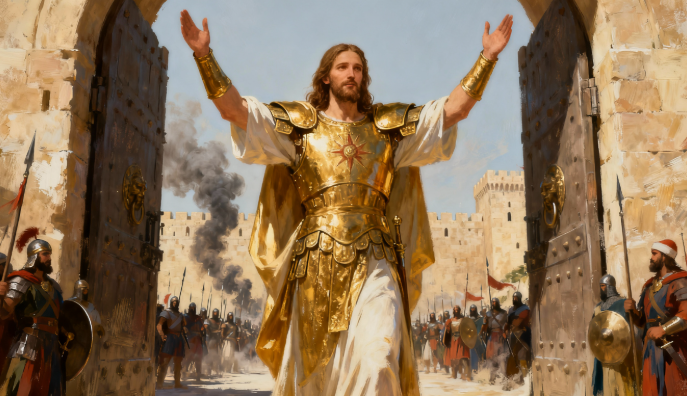
1:4 I will also stretch out mine hand upon Judah, and upon all the inhabitants of Jerusalem; and I will cut off the remnant of Baal from this place, and the name of the Chemarims with the priests;
The Lord (Jesus) stretches out His hand in judgment specifically on Judah and all the inhabitants of Jerusalem (Israel). The remnant of Baal worship and the name of the Chemarims (idolatrous priests) with the priests will be cut off. This is directed against false worship in Israel itself.
1:5 And them that worship the host of heaven upon the housetops; and them that worship and that swear by the Lord, and that swear by Malcham;
Judgment falls on those who worship the host of heaven (astral deities) on housetops, and on those who mix worship: swearing by the Lord and by Malcham (an Ammonite deity, often linked with Molech). The text condemns syncretism in Jerusalem/Israel.
1:6 And them that are turned back from the Lord; and those that have not sought the Lord, nor enquired for him.
Also those who have turned back from the Lord (Jesus) and those who have neither sought nor inquired for Him. The charge is apostasy and indifference within the people of Judah/Israel.
1:7 Hold thy peace at the presence of the Lord GOD: for the day of the Lord is at hand: for the Lord hath prepared a sacrifice, he hath bid his guests.
Silence is commanded before the presence of the Lord GOD (Jesus). The day of the Lord is near. The Lord has prepared a sacrifice and invited His guests. This sacrificial/supper imagery has a direct parallel in Revelation 19:17–18, where birds are called to the great supper of God after the beast and false prophet are judged.
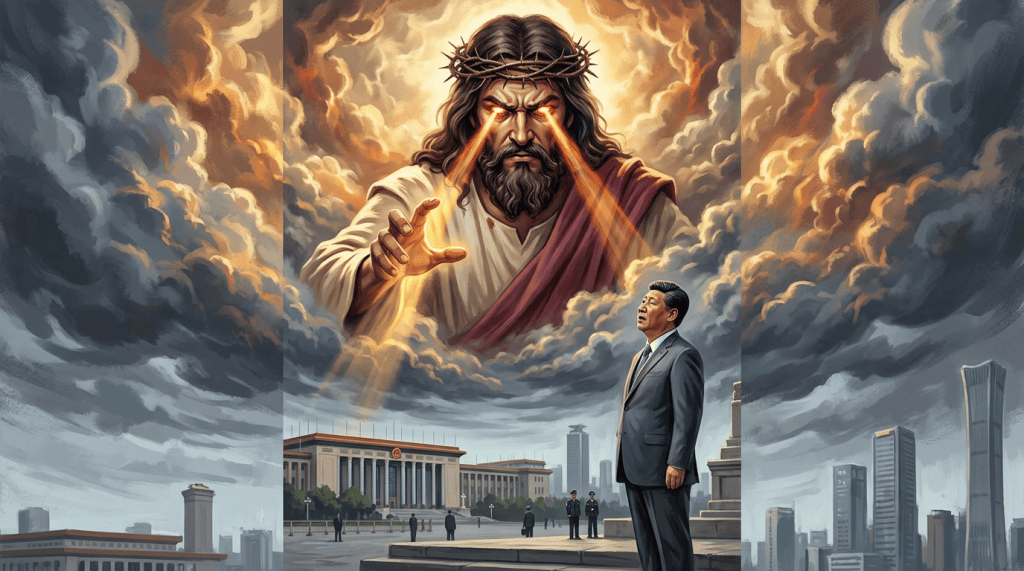
1:8 And it shall come to pass in the day of the Lord’s sacrifice, that I will punish the princes, and the king’s children, and all such as are clothed with strange apparel.
On the day of the Lord’s (Jesus’) sacrifice, He will punish the princes, the king’s children, and those wearing strange (foreign/idolatrous) apparel. Leadership and those adopting foreign practices in Judah/Israel are targeted.
1:9 In the same day also will I punish all those that leap on the threshold, which fill their masters’ houses with violence and deceit.
On the same day the Lord (Jesus) will punish those who leap on the threshold (a practice associated with foreign or superstitious customs) and who fill their masters’ houses with violence and deceit. Corruption and violence in the houses of the powerful in Jerusalem/Israel are judged.
1:10And it shall come to pass in that day, saith the Lord, that there shall be the noise of a cry from the fish gate, and an howling from the second, and a great crashing from the hills.
In that day the Lord (Jesus) says there will be a cry from the fish gate (a northern gate of Jerusalem), howling from the second quarter, and a great crashing from the hills. This describes panic and destruction in specific areas of Jerusalem (Israel).
1:11 Howl, ye inhabitants of Maktesh, for all the merchant people are cut down; all they that bear silver are cut off.
Inhabitants of Maktesh (a market or mortar-shaped district in Jerusalem) are told to howl. The merchant people and those who handle silver are cut off. Commercial life in Jerusalem/Israel is destroyed in the judgment.

1:12 And it shall come to pass at that time, that I will search Jerusalem with candles, and punish the men that are settled on their lees: that say in their heart, The Lord will not do good, neither will he do evil.
At that time the Lord (Jesus) will search Jerusalem (Israel) with candles (thoroughly) and punish those settled on their lees (complacent, like undisturbed wine) who say in their heart that the Lord will do neither good nor evil. Indifference and practical atheism in Israel are judged. This searching judgment resonates with the thorough examination themes in Revelation’s warnings to the churches and the final accounting.
1:13 Therefore their goods shall become a booty, and their houses a desolation: they shall also build houses, but not inhabit them; and they shall plant vineyards, but not drink the wine thereof.
Their goods become booty, their houses desolation. They build houses they will not inhabit and plant vineyards whose wine they will not drink. The fruit of their labor is taken from the inhabitants of Jerusalem/Israel.
1:14 The great day of the Lord is near, it is near, and hasteth greatly, even the voice of the day of the Lord: the mighty man shall cry there bitterly.
The great day of the Lord (Jesus) is near and hastens greatly. The voice of that day causes even the mighty man to cry bitterly. This is the classic “day of the Lord” language that Revelation develops at length (Rev 6:17; 16:14; 19:11–21).
1:15 That day is a day of wrath, a day of trouble and distress, a day of wasteness and desolation, a day of darkness and gloominess, a day of clouds and thick darkness,
That day is characterized by wrath, trouble, distress, waste, desolation, darkness, gloominess, clouds, and thick darkness. These descriptors match the cosmic and earthly judgments in Revelation 6:12–17, 8:12, 16:10, and related passages.
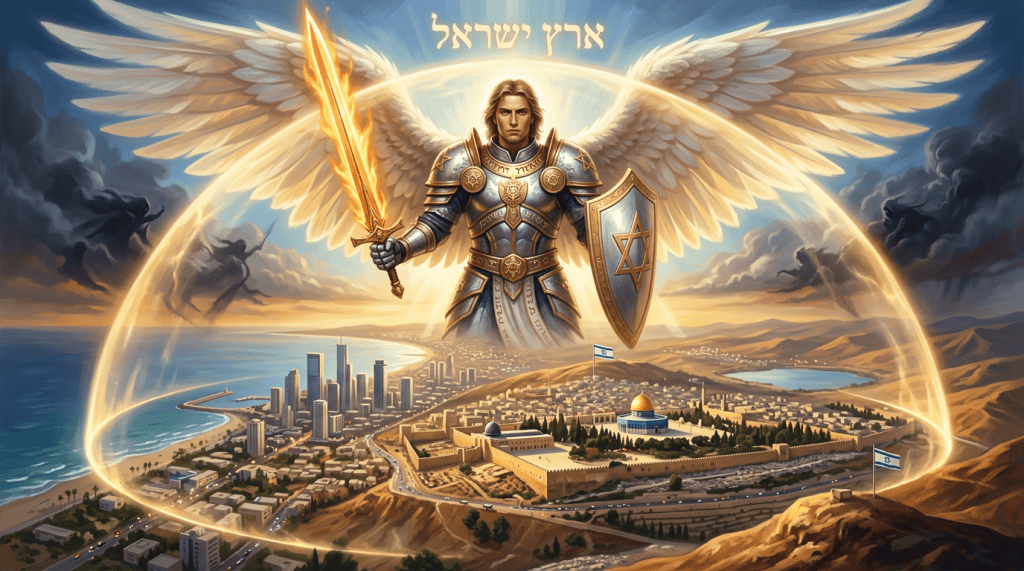
1:16 A day of the trumpet and alarm against the fenced cities, and against the high towers.
It is a day of the trumpet and alarm against the fortified cities and high towers. Trumpet imagery is central to the judgments of Revelation 8–9 and 11:15.
1:17 And I will bring distress upon men, that they shall walk like blind men, because they have sinned against the Lord: and their blood shall be poured out as dust, and their flesh as the dung.
The Lord (Jesus) brings distress so that men walk like the blind because they have sinned against Him. Their blood is poured out as dust and their flesh as dung. Blood-shedding and judgment on sinners parallel the blood imagery of Revelation 14:20, 16:3–6, and 19:13–15.
1:18 Neither their silver nor their gold shall be able to deliver them in the day of the Lord’s wrath; but the whole land shall be devoured by the fire of his jealousy: for he shall make even a speedy riddance of all them that dwell in the land
Neither silver nor gold can deliver them in the day of the Lord’s (Jesus’) wrath. The whole land is devoured by the fire of His jealousy, and He makes a speedy riddance of all who dwell in the land (Judah/Israel). Fire judgments appear repeatedly in Revelation (8:7; 16:8–9; 20:9–10). This closes the chapter’s focus on comprehensive judgment on the land and its inhabitants.
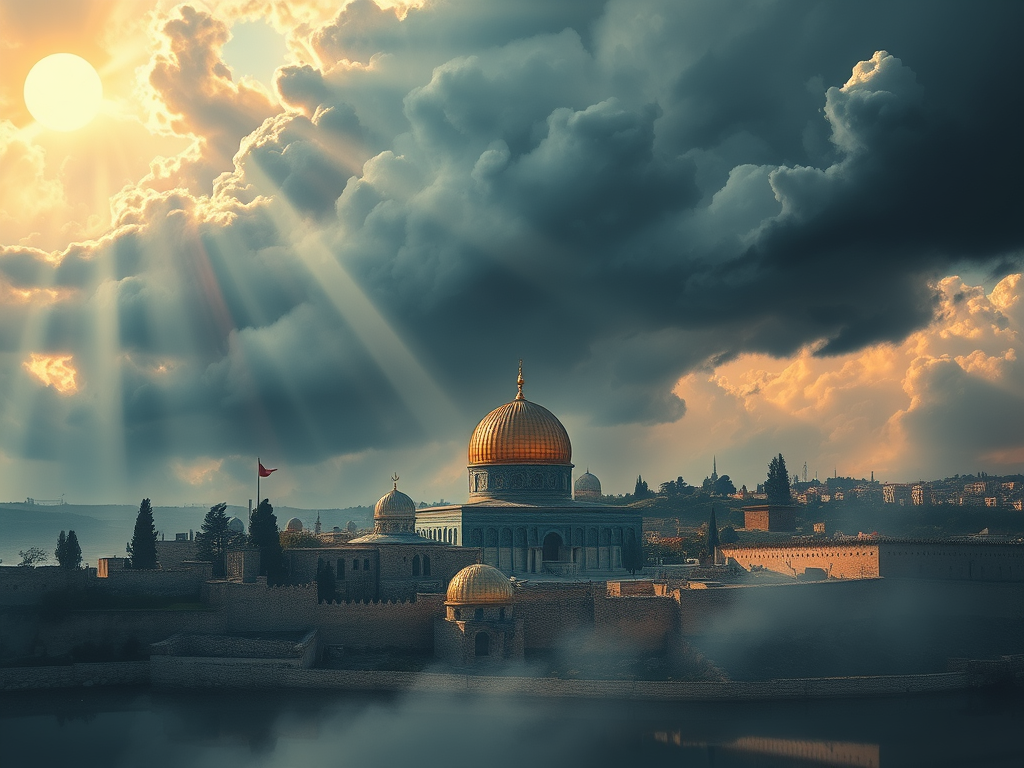
The chapter as a whole presents the Lord (Jesus) bringing the day of the Lord upon Judah and Jerusalem (Israel) for idolatry, syncretism, violence, and complacency, with language that Revelation expands into the global and final judgments. Later chapters of Zephaniah extend the scope to surrounding nations.



Leave a Reply