
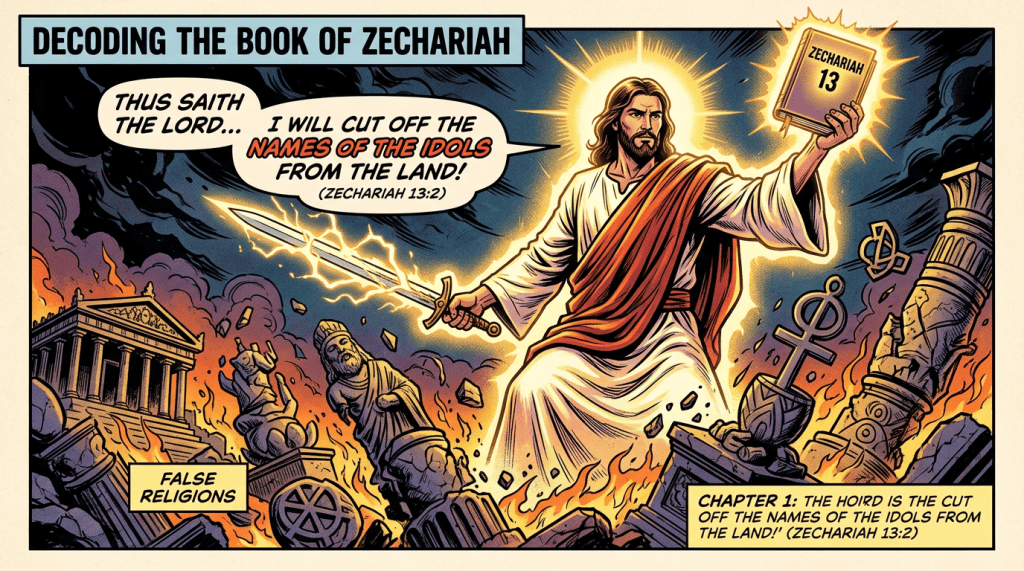
Zechariah 13 (KJV) follows the mourning of chapter 12. A fountain is opened, idols and false prophets are removed, the shepherd is smitten, and a third part is brought through the fire. The LORD is taken as Jesus Christ, and Jerusalem, the house of David, and the land are the city and people corresponding to modern Israel.
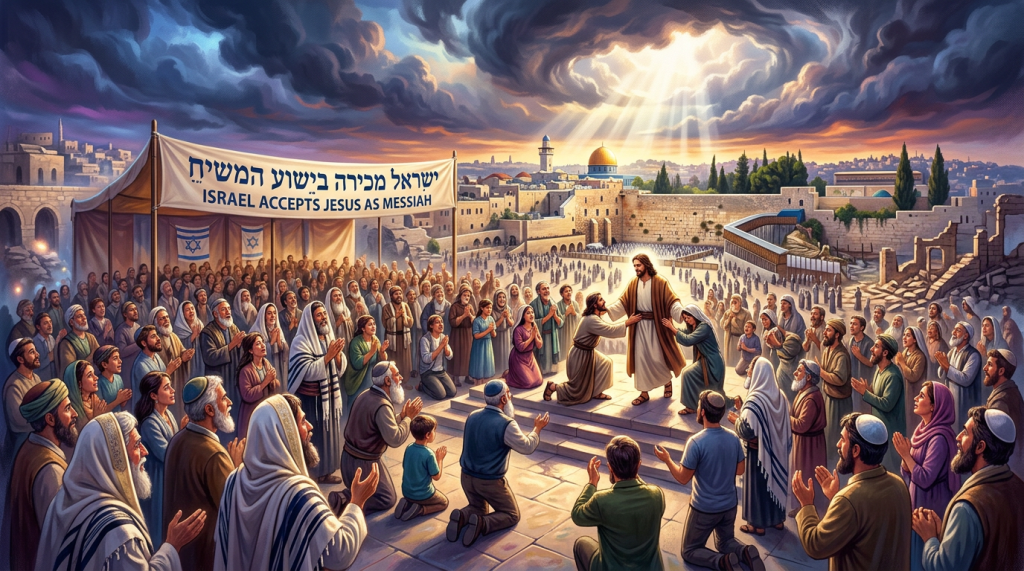
1 In that day there shall be a fountain opened to the house of David and to the inhabitants of Jerusalem for sin and for uncleanness.
In that day a fountain is opened to the house of David and to the inhabitants of Jerusalem (Israel) for sin and for uncleanness. The opening follows the looking on the pierced one, Jesus Christ in Zechariah 12:10. Revelation 7:14 speaks of those who washed their robes and made them white in the blood of the Lamb; Revelation 21:6 and 22:1 picture the water of life. Zechariah locates the fountain for the house of David and the inhabitants of Jerusalem.
2 And it shall come to pass in that day, saith the LORD of hosts, that I will cut off the names of the idols out of the land, and they shall no more be remembered: and also I will cause the prophets and the unclean spirit to pass out of the land.
In that day, says the LORD of hosts, He will cut off the names of the idols from the land so that they are no longer remembered, and He will cause the prophets and the unclean spirit to pass out of the land. These are the false religions and false gods that the world has worshipped instead of Christ. Revelation 16:13 has three unclean spirits like frogs come out of the mouth of the dragon, the beast, and the false prophet. Zechariah removes idols, prophets, and the unclean spirit from the land; Revelation 16 shows unclean spirits still going out to the kings before the battle.
3 And it shall come to pass, that when any shall yet prophesy, then his father and his mother that begat him shall say unto him, Thou shalt not live; for thou speakest lies in the name of the LORD: and his father and his mother that begat him shall thrust him through when he prophesieth.
If anyone still prophesies against Jesus Christ, his own father and mother will say that he shall not live, because he speaks lies in the name of the LORD, and they will thrust him through while he prophesies. False prophecy in the LORD’s name is treated as a capital offense by the prophet’s own parents.
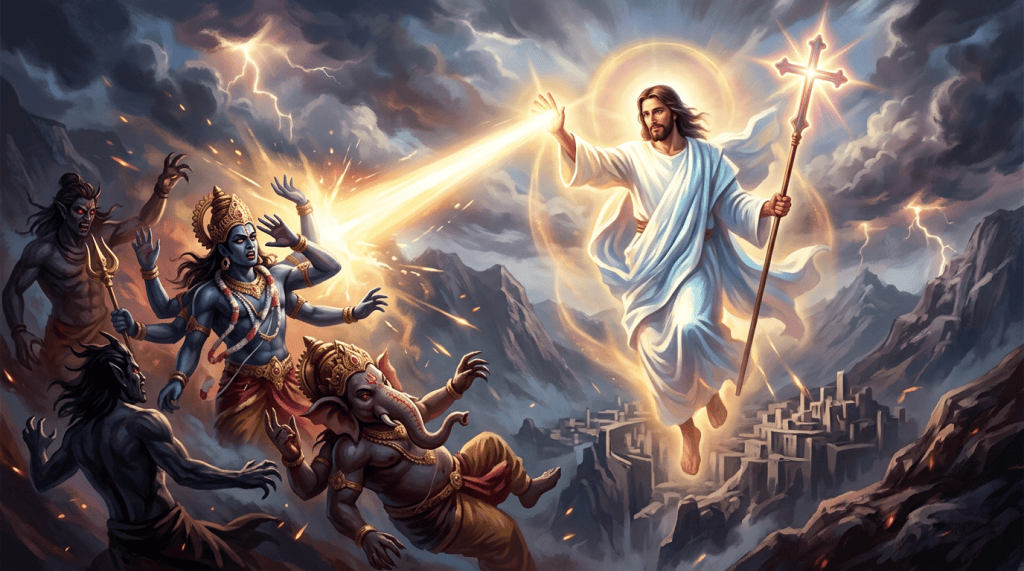
4 And it shall come to pass in that day, that the prophets shall be ashamed every one of his vision, when he hath prophesied; neither shall they wear a rough garment to deceive:
In that day the prophets will each be ashamed of his vision. They will not wear a hairy garment to deceive. The rough mantle, the traditional prophetic dress, is no longer used as a disguise.
5 But he shall say, I am no prophet, I am an husbandman; for man taught me to keep cattle from my youth.
Such a man will say, “I am no prophet, I am a tiller of the ground; for man taught me to keep cattle from my youth.” The claim to prophetic office is denied.
6 And one shall say unto him, What are these wounds in thine hands? Then he shall answer, Those with which I was wounded in the house of my friends.
Someone will ask, “What are these wounds in thine hands?” He will answer, “Those with which I was wounded in the house of my friends.” In context this is the false prophet’s reply about wounds received among his companions. The verse is sometimes read alongside the piercing of Zechariah 12:10; the chapter itself places the question after the exposure of the lying prophets.
7 Awake, O sword, against my shepherd, and against the man that is my fellow, saith the LORD of hosts: smite the shepherd, and the sheep shall be scattered: and I will turn mine hand upon the little ones.
The sword is told to awake against the LORD’s shepherd and against the man who is His fellow, says the LORD of hosts. “Smite the shepherd, and the sheep shall be scattered,” and He will turn His hand upon the little ones. Matthew 26:31 and Mark 14:27 cite this verse of the scattering of the disciples when Jesus is struck. The shepherd who is the LORD’s fellow is Jesus Christ. Revelation 19:15 has a sword proceed from the mouth of the rider against the nations; Zechariah 13:7 directs the sword first against the shepherd who is the LORD’s associate.
8 And it shall come to pass, that in all the land, saith the LORD, two parts therein shall be cut off and die; but the third shall be left therein.
In all the land, says the LORD, two parts will be cut off and die, and the third will be left in it. The proportion is stated for the land: two-thirds cut off, one-third remaining. This prophecy states during this time of great tribulation, only 1/3 of Israel will survive and they will be the ones who acknowledge Christ as Lord.
9 And I will bring the third part through the fire, and will refine them as silver is refined, and will try them as gold is tried: they shall call on my name, and I will hear them: I will say, It is my people: and they shall say, The LORD is my God.
This is the 1/3 who will see and recognize Jesus Christ. He will bring the third part through the fire, refine them as silver is refined, and test them as gold is tested. They will call on His name, and He will hear them. He will say, “It is my people,” and they will say, “The LORD is my God.” Revelation 3:18 counsels buying gold tried in the fire; Revelation 7:14 and 21:3–7 use the language of a people belonging to God after tribulation and cleansing. Zechariah places the refining on the surviving third in the land and closes with the covenant formula.
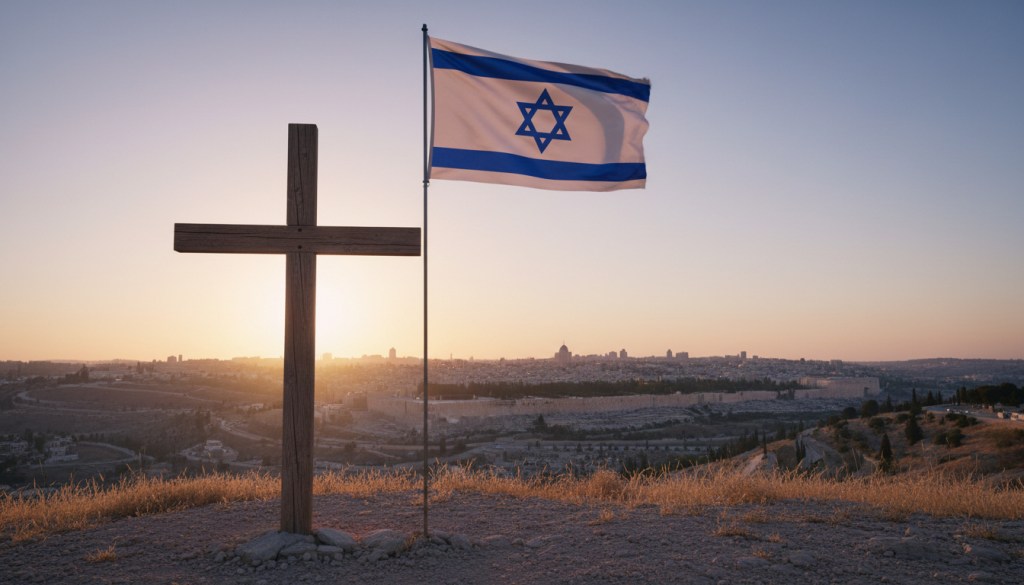
Chapter 13 therefore opens a fountain for sin and uncleanness, cuts off idols and the unclean spirit, has parents thrust through the lying prophet, awakens the sword against the shepherd who is the LORD’s fellow so that the sheep are scattered, cuts off two parts in the land, and refines the third until they call Him their God. The unclean spirit overlaps Revelation 16:13. The smitten shepherd is the verse cited in the Gospels. The refined remnant and the “my people / my God” formula overlap the closing scenes of Revelation.



Leave a Reply