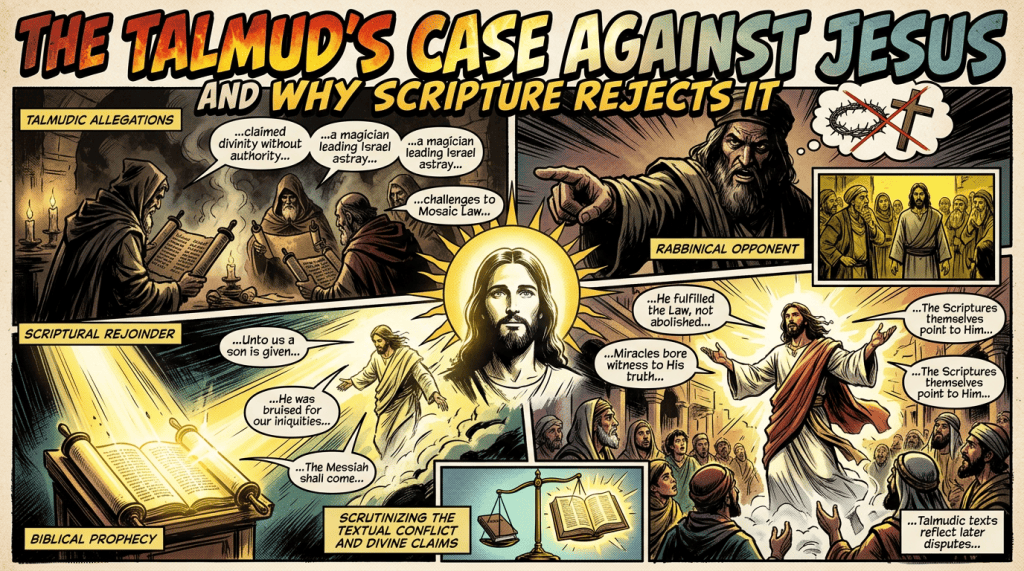
The claim that Jesus of Nazareth is an enemy of Judaism does not originate in the Hebrew Scriptures. It originates in the Talmud, the vast body of oral law, commentary, and legal debate that Rabbinic Judaism elevated to equal or greater authority than the written Torah.
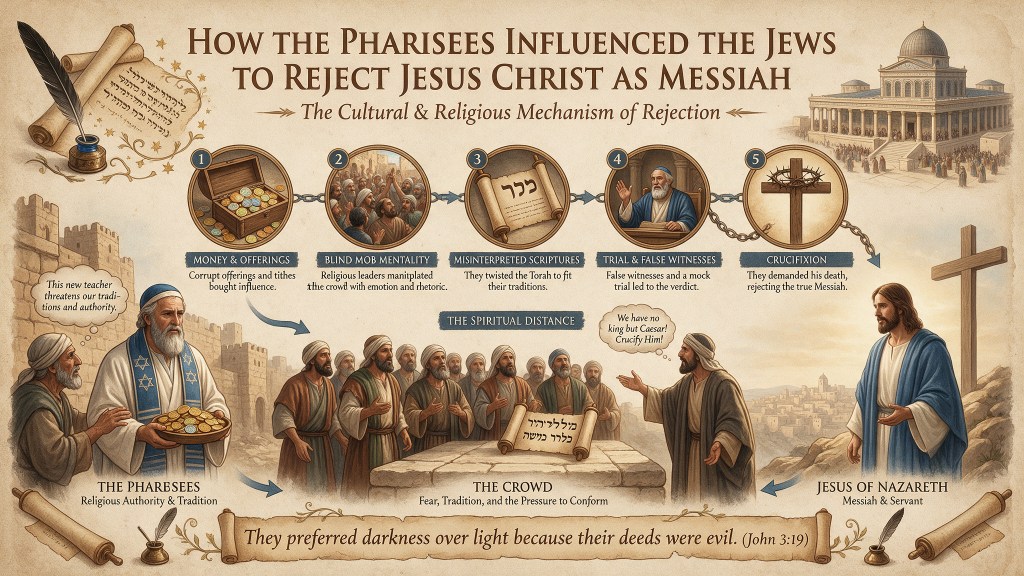
The Talmud was not completed until roughly five centuries after the crucifixion. It therefore cannot be treated as a neutral historical witness to the events of the first century. It is a later polemical construction, produced by the heirs of the Pharisees after the Temple’s destruction and after the decisive split between the synagogue and the followers of Jesus. When modern Jewish objections to Jesus rest on Talmudic foundations—whether the charge that He attacked true religion, the assertion that tradition supersedes Scripture, or the insistence that Rabbinic authority is co-equal with Moses—they rest on a document that Scripture itself never authorized and that Jesus already confronted in principle.
Tradition Made Void the Word of God
Mark 7:10-13 records the confrontation that still defines the issue. Jesus quotes the fifth commandment and the death penalty attached to cursing father or mother, then notes the Pharisaic practice of declaring property “Corban”—dedicated to God—so that a man could withhold support from his parents. “Making the word of God of none effect through your tradition, which ye have delivered,” He says, “and many such like things do ye.” The oral tradition was already functioning as a higher authority capable of nullifying clear written commands.
The Talmud is the systematic continuation of that same oral tradition. It does not merely apply the written Torah; it supplements, qualifies, and in places overrides it. Classical Rabbinic Judaism holds that the oral law was given to Moses at Sinai alongside the written text and was faithfully transmitted until it was committed to writing in the Mishnah and Gemara.
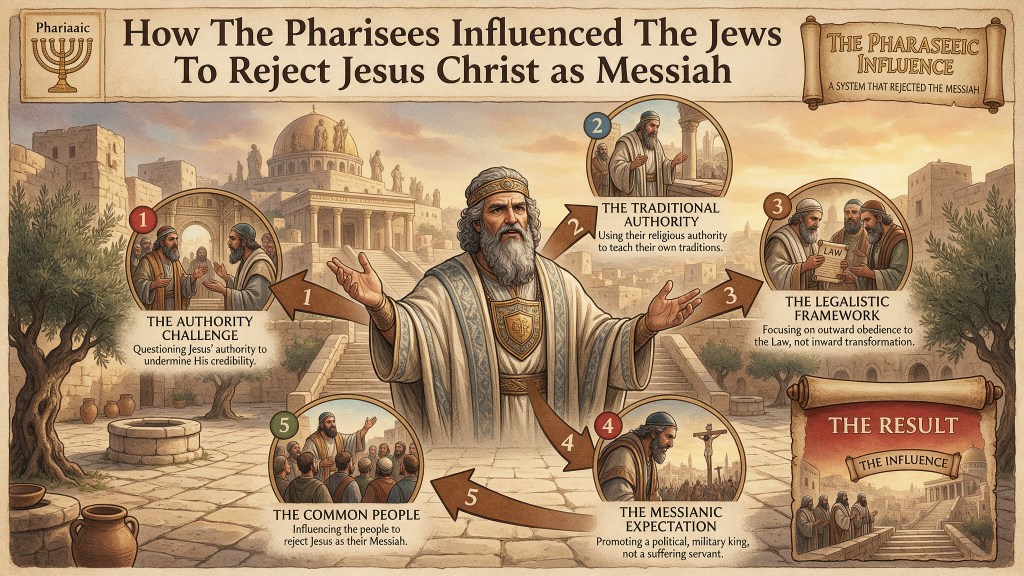
Scripture nowhere records any such second revelation. Deuteronomy 4:2 and 12:32 forbid adding to or taking from the commandments. Everything God commanded Moses was written (Exodus 24:4; Deuteronomy 31:9, 24). The claim that an unwritten tradition of equal weight accompanied the tablets is an assertion the Torah itself does not make.
When the Talmud later treats Jesus as a sorcerer, a deceiver, or an illegitimate figure whose execution was justified, it does so from within this elevated oral system. The system had already been judged by the standard of the written word. Mark 7 supplies the criterion: any tradition that sets aside a clear commandment of God stands condemned by that commandment.
The Chronology and the Charge of Enmity
The Talmud reached its present form centuries after Jesus. The Mishnah was compiled around A.D. 200; the Babylonian Talmud was completed in the sixth century. By that time the Jewish-Christian schism was long established. Acts 11:26 notes that the disciples were first called Christians in Antioch—already a distinct body recognized by outsiders. The later Rabbinic literature therefore reflects a community that had rejected the apostolic claim and was constructing its own continuity after the loss of the Temple and the priesthood.

To call Jesus an enemy of Judaism on the basis of that later literature is to treat a post-event polemical text as the definition of authentic Judaism. The first-century Jewish leaders who opposed Him did so on the basis of the written Law as they interpreted it, not on the basis of a Talmud that did not yet exist. John 10:22-42 records one of those confrontations. At the Feast of Dedication the Jews demand a plain answer: “If thou be the Christ, tell us plainly.” Jesus answers that His works done in the Father’s name testify of Him, then states, “I and my Father are one.” They take up stones, declaring that the offense is blasphemy: “thou, being a man, makest thyself God.”
The charge is explicit. It rests on the monotheism of the Shema and on the conviction that no man can claim identity with God. The Talmud’s later characterizations of Jesus simply elaborate that same rejection. They do not create it. The enmity is real, but it is the enmity of those who refused the claim Jesus made in Solomon’s porch, not the enmity of a document written half a millennium later.
Zeal Not According to Knowledge
Romans 10:1-13 addresses the same refusal from the other side of the resurrection. Paul affirms that Israel has a zeal for God, yet “not according to knowledge.” They are “ignorant of God’s righteousness, and going about to establish their own righteousness,” and therefore have not submitted to the righteousness of God. “For Christ is the end of the law for righteousness to every one that believeth.”
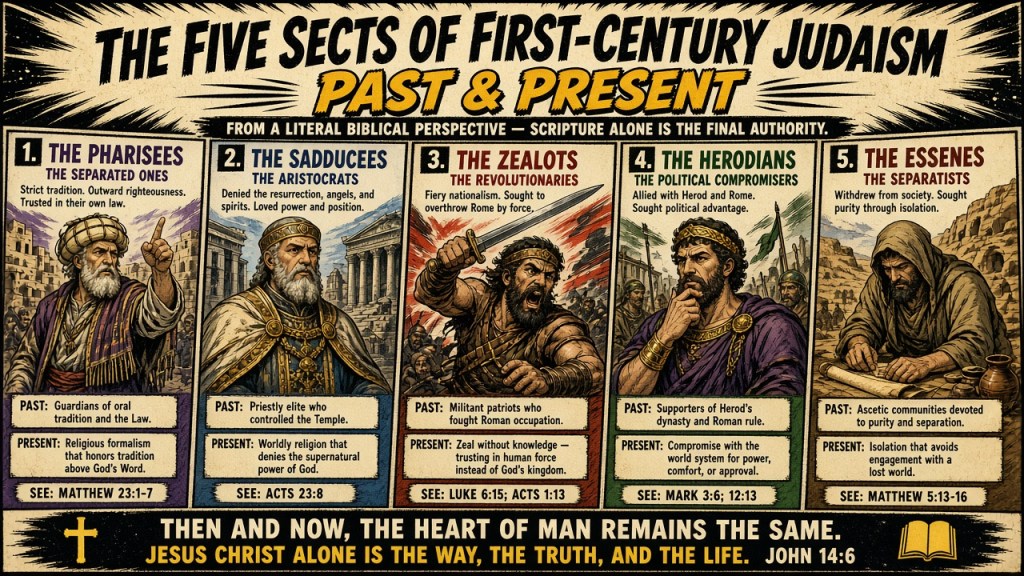
The passage then quotes Deuteronomy 30:12-14 and applies it to the word of faith: the righteousness that saves is the confession with the mouth that Jesus is Lord and the belief in the heart that God raised Him from the dead. This is not an addition to the Torah; it is the claim that the Torah’s demand is met in Christ for all who believe. The Talmudic elevation of oral law as the true safeguard of Israel’s righteousness is precisely the project Paul says missed the mark. The written commandments remain; their end for righteousness is Christ.
The Ten Commandments are not set aside. They are the clearest expression of the law that reveals sin and points beyond itself. When Rabbinic Judaism treats the Talmud as the authoritative expansion and application of those commandments, it repeats the pattern Jesus condemned in Mark 7: the tradition that nullifies the word. The distinction between “God’s laws for the Israelites” (Torah) and “man’s law” (Talmud) is therefore not a Christian invention. It is the distinction the New Testament already draws between the written commandment and the oral tradition that can set it aside.
Authority and the Written Word
Rabbinic Judaism’s claim that the Talmud is the necessary foundation of Jewish life after the Temple’s destruction is a historical observation, not a scriptural authorization. The priesthood, the sacrifices, and the central sanctuary ended in A.D. 70. The Pharisaic-Rabbinic stream survived by codifying and expanding the oral law. That survival is real. It does not convert the Talmud into the equivalent of the Torah.
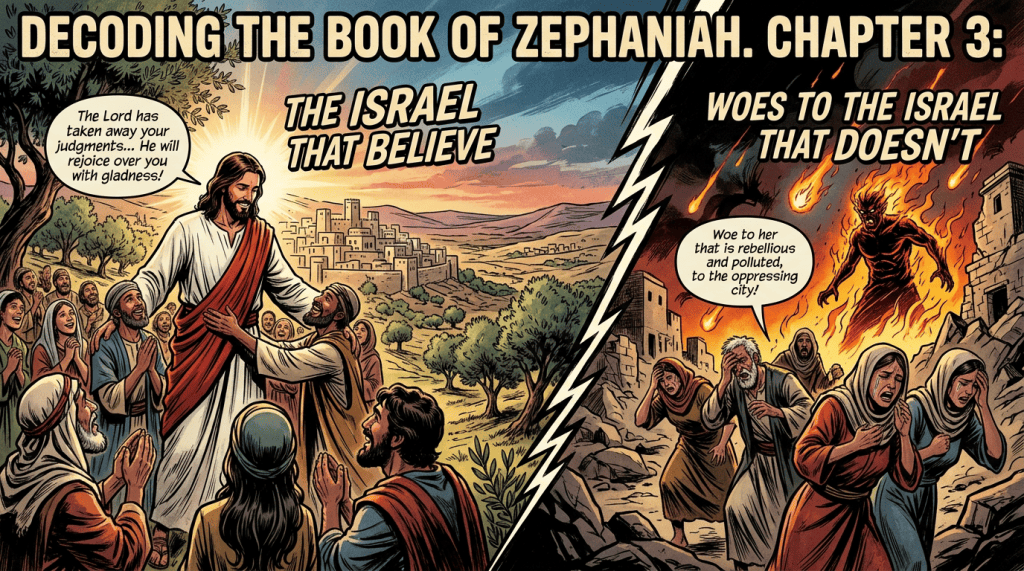
John 10 shows what the conflict was actually about in the first century: not dietary details or Sabbath boundary markers, but the identity of the one who claimed, “I and my Father are one,” and who pointed to His works as the Father’s testimony. Romans 10 shows what the conflict remains about: whether righteousness comes by the law as interpreted and expanded by tradition, or by submission to the righteousness of God revealed in the crucified and risen Christ. Mark 7 supplies the permanent test: any tradition that makes the word of God of none effect stands under the judgment of that word.
The popular Talmudic case against Jesus therefore fails on its own chronology and on the standard Scripture already applied to the oral tradition. The document that calls Him an enemy was compiled centuries after the events it judges. The oral law it embodies had already been measured against the written commandment and found wanting. The righteousness Israel sought by that law is the righteousness Paul says is obtained only by confession of Jesus as Lord. The objection that tradition must govern Scripture is the very practice Jesus rebuked. On each of these points the King James text answers the Talmudic claim directly. The answer has not changed.


Leave a Reply