
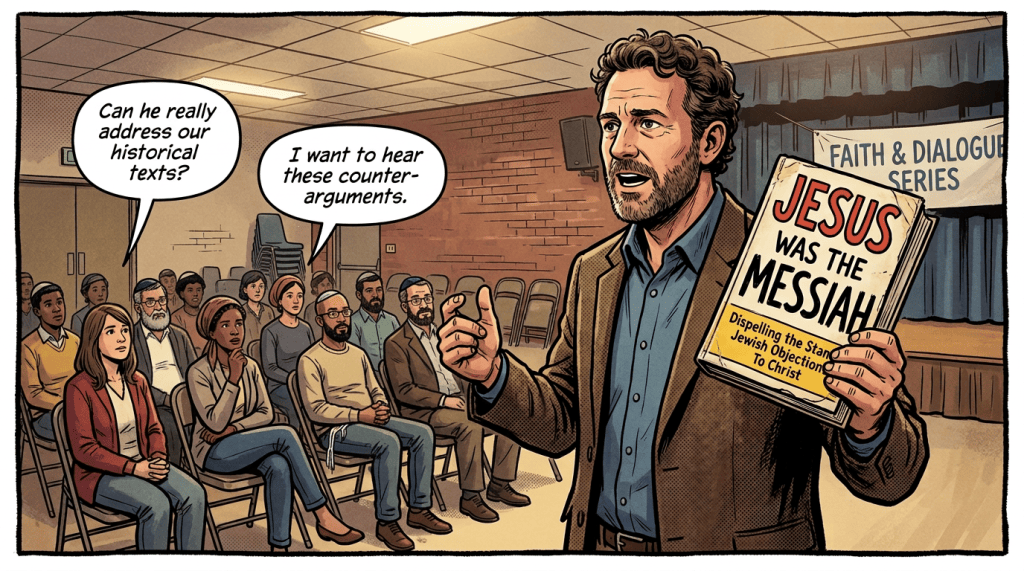
The refusal of the majority of Jewish people to recognize Jesus of Nazareth as the Messiah is not an accident of history. It is a matter of deliberate, sustained theological rejection, one that the New Testament records in real time and that modern Judaism continues to maintain through a familiar set of objections.
Those objections are not new.
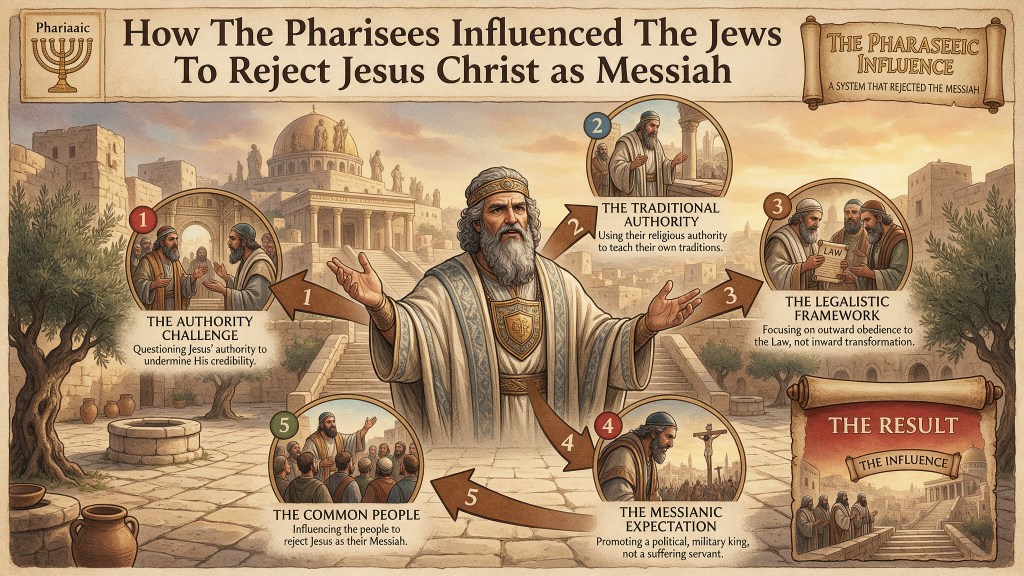
They appear, in essence, in the confrontation recorded in John 10:22-42, when Jewish leaders demanded that Jesus declare plainly whether He was the Christ and then sought to stone Him for the claim that followed. They reappear, in theological form, in Romans 10, where Paul diagnoses Israel’s rejection as a zeal for God that is not according to knowledge.
The objections listed in popular Jewish apologetics—that the Messiah must be a merely human son of a man and woman, that He must establish an immediate earthly paradise and reestablish the Jewish nation, that He must bring universal peace, rebuild the Temple, and grant Israel vengeance on the nations—are not minor quibbles. They are the central reasons Judaism still withholds the title. A plain reading of the King James Bible answers them.
The Claim of Equality with God
In John 10:22-42, during the Feast of Dedication, the Jews surround Jesus in Solomon’s porch and press Him: “How long dost thou make us to doubt? If thou be the Christ, tell us plainly.” Jesus replies that He has already told them and that His works, performed in the Father’s name, bear witness. Then He states the claim that produced the charge of blasphemy: “I and my Father are one.” The Jews take up stones. Jesus asks for which good work they intend to kill Him. Their answer is explicit: “For a good work we stone thee not; but for blasphemy; and because that thou, being a man, makest thyself God.”
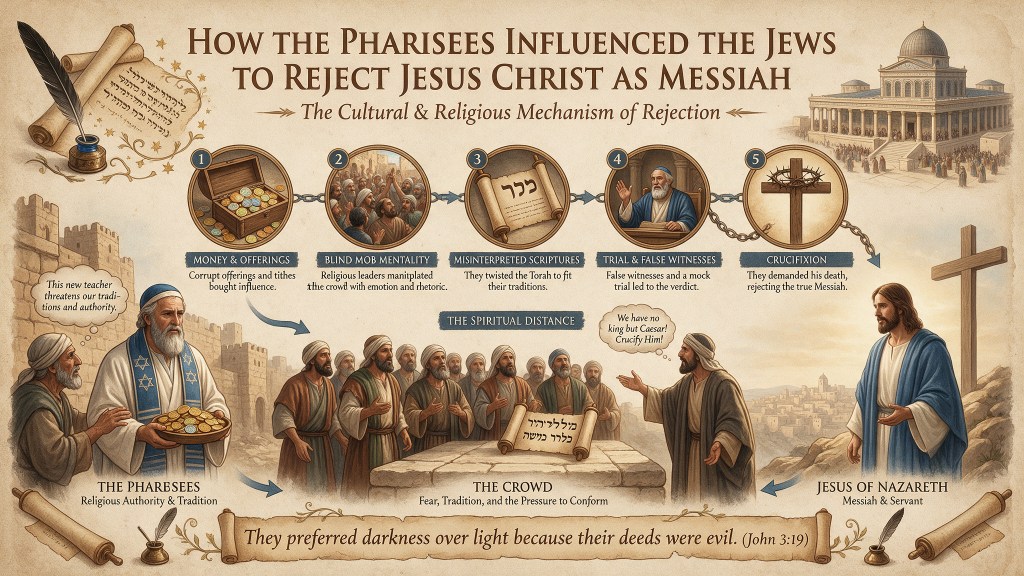
This is not a later Christian invention. It is the contemporary Jewish understanding of Jesus’ language. He did not present Himself as a merely human descendant of David who would restore political sovereignty and then die. He claimed identity with the Father in a manner that, under the monotheism of Deuteronomy 6:4, constituted blasphemy. The same chapter records His earlier assertion that He gives His sheep eternal life and that no one can pluck them out of His hand or the Father’s hand. The unity is functional and essential.
Jewish tradition correctly insists that the Messiah is a human born of a man and a woman. Scripture agrees. Jesus was born of a woman under the law (Galatians 4:4). The objection that He cannot be God because He is human misunderstands the claim. The New Testament does not teach that the Messiah ceased to be human; it teaches that the eternal Son assumed humanity. John 1:14 states that the Word was made flesh. The Jewish leaders in John 10 understood the implication and rejected it. That rejection is the decisive datum.
Zeal Without Knowledge
Romans 10 supplies the theological diagnosis. Paul writes that his heart’s desire and prayer is for Israel’s salvation, that they have a zeal of God, but not according to knowledge. “For they being ignorant of God’s righteousness, and going about to establish their own righteousness, have not submitted themselves unto the righteousness of God. For Christ is the end of the law for righteousness to every one that believeth.”
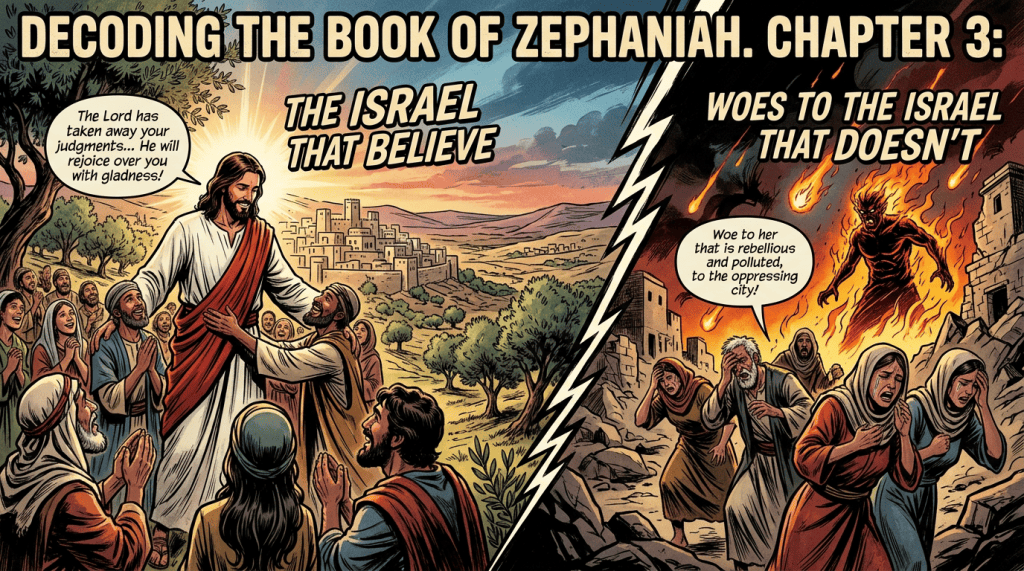
The standard Jewish insistence that the Messiah must be a righteous person who meets the highest standard of morality is correct as far as it goes. Isaiah 53:9 says the Servant would have done no violence and that no deceit would be in His mouth. The New Testament applies this to Jesus and records the testimony of Pilate, the centurion, and Judas that He was righteous. The deeper problem is the definition of the righteousness required. Romans 10:4 states that Christ is the end of the law for righteousness. The attempt to establish a righteousness of one’s own by law-keeping is precisely what Paul says Israel pursued and missed.
Confession with the mouth that Jesus is Lord and belief in the heart that God raised Him from the dead is the righteousness that saves (Romans 10:9-10). The Jewish objection that Jesus was not the highest standard of morality because He claimed equality with God simply restates the charge of John 10:33. It does not engage the claim that the law’s demand is met in Him for all who believe.
The Timing of the Kingdom
The most persistent cluster of objections concerns what the Messiah must accomplish: crown Himself king of the world, establish a paradise without need or want, reestablish the Jewish nation, bring peace, rebuild the Temple, and execute judgment on the nations. These expectations are drawn from Isaiah 2, 11, and 65, from Ezekiel 37 and 40-48, and from Zechariah 14. They are legitimate. The error is the assumption that every prophecy of the Messiah must be fulfilled in a single appearance and that none can be reserved for a second.
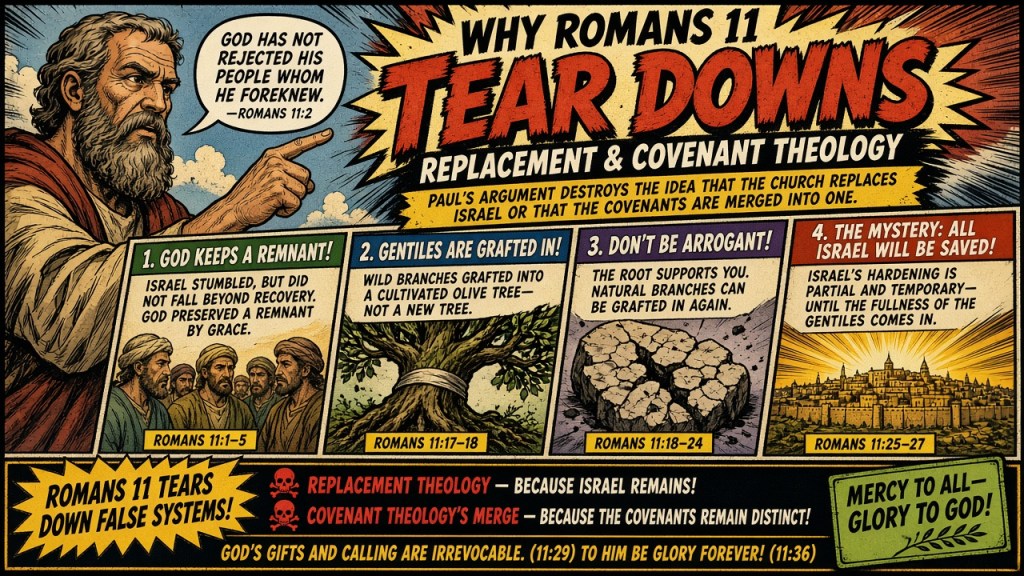
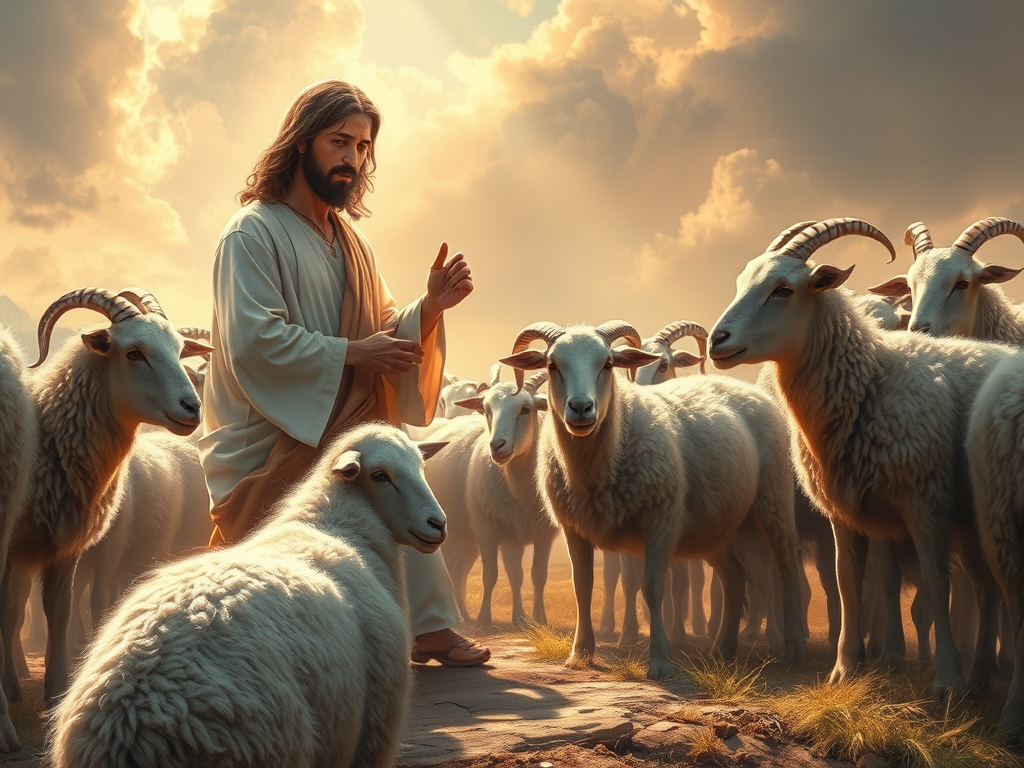
The New Testament consistently distinguishes the two. The first coming accomplished the suffering Servant work of Isaiah 53, the atonement that removes sin, and the offer of the kingdom to Israel. John 10 records Jesus saying that His sheep hear His voice and that He has other sheep not of this fold (the Gentiles) whom He must also bring. When the nation as a whole rejected the offer, the kingdom was postponed. Romans 11 explains the postponement: blindness in part has happened to Israel until the fullness of the Gentiles comes in. Then all Israel will be saved.
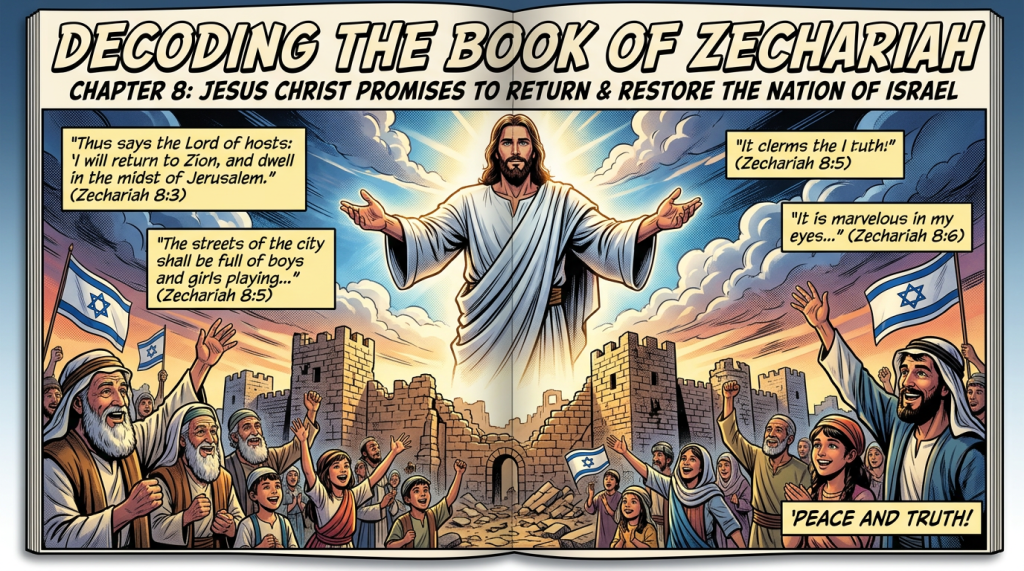
The reestablishment of the Jewish nation, the rebuilding of the Temple, the end of war, and the universal knowledge of God are not canceled. They are future. Zechariah 12-14 places the national mourning for the pierced One, the gathering of the nations against Jerusalem, and the physical return of the Lord to the Mount of Olives in the same sequence. The objection that Jesus did not do these things in the first century is true. It does not follow that He is not the Messiah who will do them.
The Hardening and the Judgment
One of the listed objections states that God hardened the heart of the Jewish people against the truth of Jesus as judgment against their idolatry. Romans 11 affirms a partial hardening: “God hath given them the spirit of slumber, eyes that they should not see, and ears that they should not hear.” The hardening is real, judicial, and temporary. It is not absolute. Paul writes that there is at the present time a remnant according to the election of grace. The same chapter warns Gentile believers not to boast against the natural branches, because God is able to graft them in again.
The claim that Jews reject the idea of hell or of a sinful nature is an overstatement of modern liberal Judaism rather than classical Jewish teaching. The Hebrew Scriptures contain clear statements of individual accountability after death (Daniel 12:2) and of the pervasive corruption of the human heart (Jeremiah 17:9; Ecclesiastes 7:20). The New Testament intensifies these themes; it does not invent them. The rejection of New Testament teaching is, from the perspective of Romans 10, the refusal to submit to the righteousness of God revealed in Christ.
Conclusion
The popular Jewish arguments against Jesus’ Messiahship rest on two related errors. The first is the refusal to accept the claim of John 10:30 that Jesus and the Father are one—an identity that the contemporary leaders correctly identified as a claim to deity and therefore as blasphemy under their reading of the Shema. The second is the insistence that every Messianic prophecy must be fulfilled in a single coming, so that the absence of an immediate worldwide kingdom disqualifies the candidate.
Romans 10 shows that the first error is a zeal that is not according to knowledge and that the required righteousness is obtained by confession of Jesus as Lord and belief in His resurrection. Romans 11 and the prophetic chapters of Zechariah show that the second error confuses the order of fulfillment. The kingdom promises remain. They await the national repentance that Zechariah 12:10 places at the moment when Israel looks upon the One they pierced.
The objections are serious. They are also answerable from the same Scriptures Judaism claims as its own. The New Testament does not invent a new Messiah. It identifies the one who was rejected in Solomon’s porch, whose works testified of Him, and whose rejection produced the temporary hardening that still governs the majority of the Jewish people. The same text promises that the hardening will end. Until it does, the arguments of John 10 and Romans 10 remain the clearest explanation of why the Messiah was refused and why the refusal cannot be permanent.


Leave a Reply