
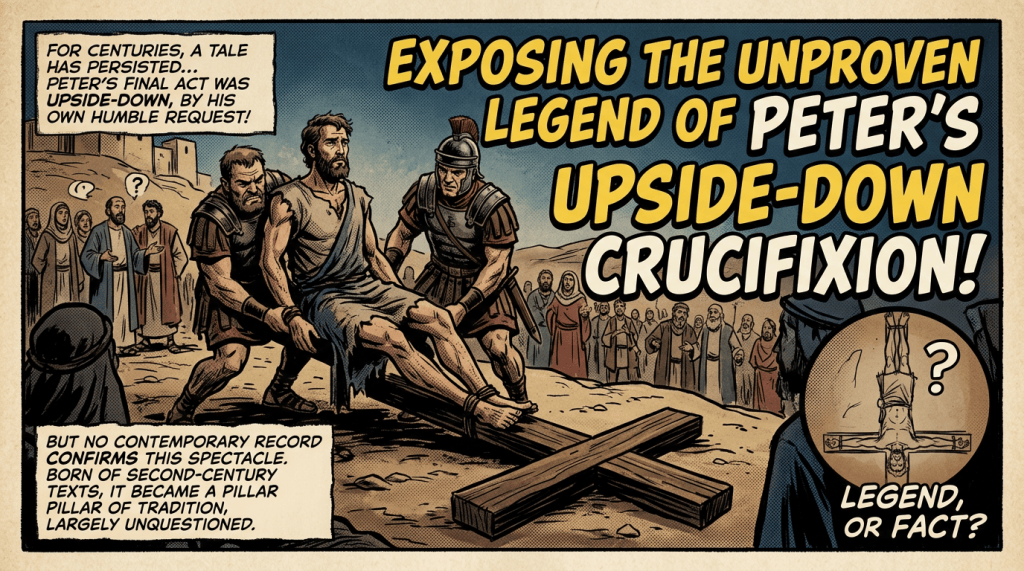
Roman Catholic tradition asserts that the apostle Peter was crucified upside down in Rome because he considered himself unworthy to die in the same manner as Jesus. The story is repeated in catechisms, homilies, and popular accounts as evidence of Peter’s humility and of his special place as the first bishop of the imperial capital.
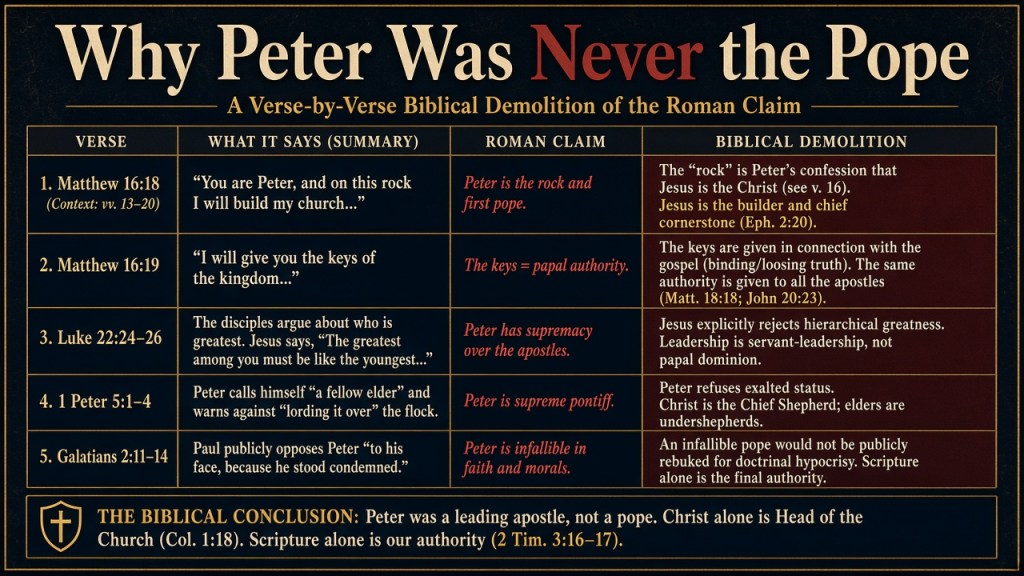
Yet neither the New Testament nor any contemporary historical source supports the claim. The detail originates in a late apocryphal text, carries an internal contradiction once Rome is identified as the executioner, and has become visually linked to symbols of opposition to Christ.
The biblical record ends with a general prediction. In John 21:18–19 Jesus tells Peter that when he is old he will stretch forth his hands and another will carry him where he does not wish to go, “signifying by what death he should glorify God.” The language indicates a violent death in which the hands are extended. It supplies no location, no method of execution, and no statement that Peter requested an inverted posture out of a sense of unworthiness. No other New Testament passage fills the silence. The epistles that mention Peter’s ministry and the churches with which he was associated contain no account of his martyrdom. The claim that he felt unworthy to die as Jesus died is therefore an addition that appears only in later tradition.
That tradition is first clearly attested in the Acts of Peter, an apocryphal narrative generally dated to the late second century and filled with legendary material. The document presents Peter as requesting to be crucified head-downward because he was not worthy to suffer in the same way as his Lord. Church historians writing in subsequent centuries, such as Eusebius, record that Peter died in Rome under Nero, but they do not independently establish the inverted posture or the accompanying explanation of unworthiness.

The story entered wider circulation through these secondary sources and was eventually treated as settled fact. It remains, however, without corroboration from any source that can be checked against the apostolic writings or against contemporary records of the Neronian persecution.
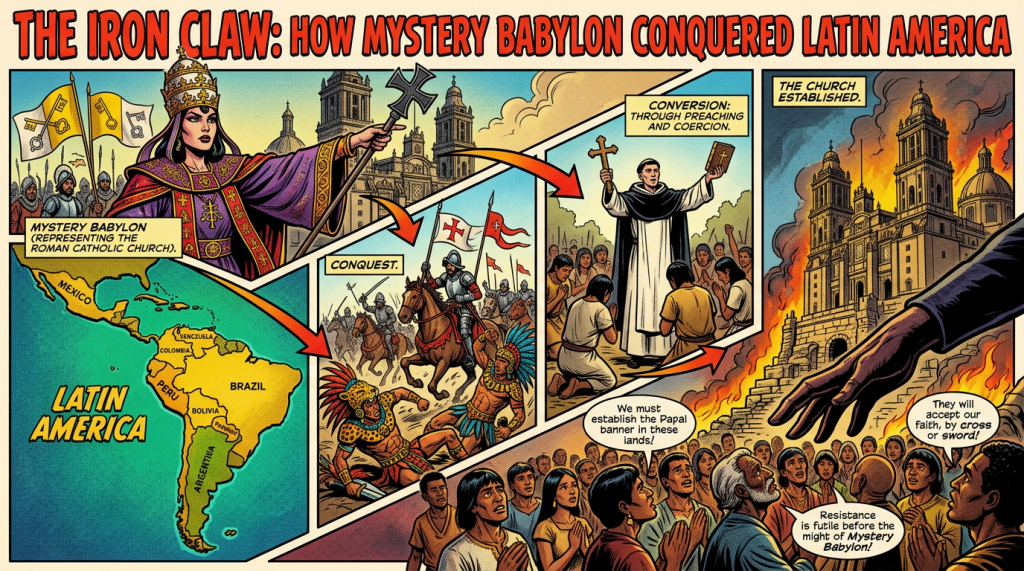
The difficulty deepens when the identity of the executioner is considered. Catholic teaching maintains that Peter was the first pope and that he was put to death by Roman imperial authority. On the Church’s own premises, then, the Roman state executed the man later claimed as the foundation of the papal office. The same political power that tradition says killed its first supreme pontiff is the power whose later religious expression is described in Revelation as the harlot seated on the scarlet beast.
Revelation 17:3 shows the woman riding “a scarlet coloured beast, full of names of blasphemy, having seven heads and ten horns.” Revelation 12:3 identifies the great red dragon—Satan—as possessing the same seven heads and ten horns. The beast shares the dragon’s features and is the instrument on which the harlot system rides. A tradition that locates the death of the alleged first pope at the hands of Rome therefore places the origin of the papal claim inside the very imperial order later portrayed as allied with the dragon.
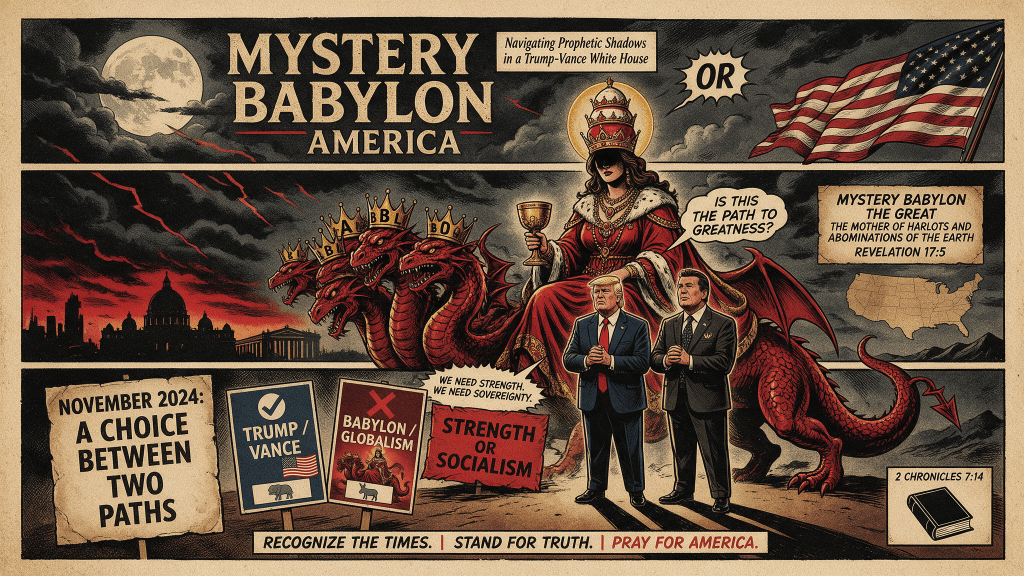
The modern appropriation of the inverted cross as a Satanic symbol sharpens the problem. What began as an unverified detail about Peter’s humility has become a recognized emblem of deliberate reversal of the cross of Christ. Whether any direct historical line connects the late legend to later occult use is secondary to the present meaning of the symbol. Revelation already depicts a counterfeit religious power that opposes the Lamb while employing the forms of authority. An inverted cross offered as proof of Petrine succession now functions, in contemporary culture, as a sign of opposition to that same cross.
The absence of evidence for the unworthiness claim is total. No inspired writer records Peter requesting an inverted crucifixion. No early, independent historical source confirms either the posture or the motive. The explanation that Peter felt unworthy to die as Jesus died is therefore an element of the same apocryphal narrative that supplies the rest of the story. When that narrative is used to support institutional claims about succession and jurisdiction, the burden remains on the tradition rather than on the text. The New Testament presents the apostles as witnesses and servants who suffered for the name of Christ; it does not establish any one of them as the unique foundation of a continuing office on the basis of the manner of his death.
The contradiction remains unresolved. If Rome killed the man later designated the first pope, then the imperial power that Catholic teaching identifies as the setting of Petrine primacy was, on those same terms, the executioner of its own alleged head. The later association of that power’s religious system with the beast and the dragon in Revelation only heightens the difficulty.
Scripture’s account stops at the prediction that Peter would stretch out his hands and be carried where he did not wish to go. Everything beyond that sentence—the inverted cross, the motive of unworthiness, and the institutional conclusions drawn from them—belongs to sources the apostles did not give. The written Word supplies no warrant for the legend and no resolution of the contradiction it creates.




Leave a Reply