

In the final years of this age, according to a straightforward reading of the Bible, a religious system long identified with the city of Rome will meet a sudden and catastrophic end.
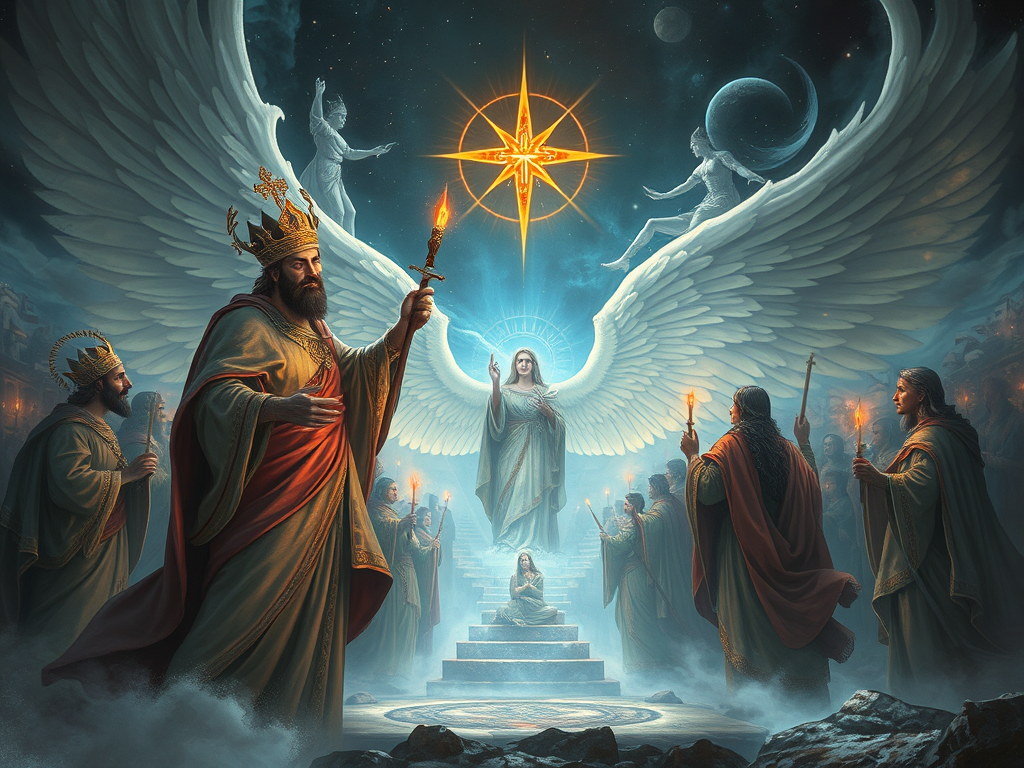
Revelation chapters 17 and 18 describe that end in language that is neither vague nor merely symbolic. A woman called “Mystery, Babylon the Great, the Mother of Harlots and Abominations of the Earth” rides a scarlet beast for a season, only to be hated, stripped, plundered, and burned with fire by the very power that once carried her. The great city that “reigneth over the kings of the earth” is left a desolate habitation of demons.
Kings, merchants, and sailors stand afar off, mourning the loss of her wealth and influence “in one hour.” Heaven is commanded to rejoice because God has at last avenged the blood of His saints and prophets.
This is not ancient history. It is future prophecy set in the seven-year tribulation that precedes the visible return of Jesus Christ. The woman is the Roman Catholic system centered in the Vatican. The beast is the final Islamic empire under the Antichrist—the figure Muslims call the Mahdi. The ten horns are the coalition of Middle-Eastern and North-African kings who first empower him and then execute the destruction.
When that fire falls, it will do more than level buildings. It will publicly falsify the central claim of Roman Catholicism: that the Church of Rome is the one founded by Jesus Christ, against which the gates of hell shall never prevail.
The Text of Revelation 17

The vision begins with an angel of the seven last plagues inviting John to see “the judgment of the great whore that sitteth upon many waters.” Those waters are later defined as peoples, multitudes, nations, and tongues. The woman is arrayed in purple and scarlet, decked with gold, precious stones, and pearls, and holds a golden cup full of abominations. She is drunken with the blood of the saints and of the martyrs of Jesus. Upon her forehead is written the name that reveals her character: Mystery, Babylon the Great.
The angel explains that the seven heads of the beast she rides are seven mountains on which the woman sits—Rome, the city famous from antiquity for its seven hills—and also seven successive kings or kingdoms. Five had fallen by John’s day, one was (Rome), and one was yet to come and would continue only a short space. The beast itself is an eighth that is “of the seven,” a revival of the prior Roman dominion that once stretched across the territories of the earlier empires. It “was, and is not, and yet is,” ascending out of the bottomless pit before going into perdition.
The ten horns are ten kings who receive power “one hour with the beast.” They have one mind and give their power and strength to him. In the prophetic framework consistent with the rest of Scripture, these are the nations that will form the core of the final caliphate—Syria as the northern seat of the “king of the north,” together with the likely nations of Iraq, Turkey, Iran, Egypt, Libya, Sudan, Lebanon, Jordan, and Saudi Arabia. For a time the Vatican-centered system rides this rising Islamic power, continuing its historical pattern of alliances with the kings of the earth. Then the relationship ends in violence.
“And the ten horns which thou sawest upon the beast, these shall hate the whore, and shall make her desolate and naked, and shall eat her flesh, and burn her with fire. For God hath put in their hearts to fulfil his will… until the words of God shall be fulfilled.” The woman is that great city which reigneth over the kings of the earth. The burning is therefore the deliberate act of the Islamic Antichrist and his ten-king coalition, carried out under the sovereign purpose of God.
Revelation 18: The Aftermath and the Warning
Chapter 18 opens with another angel descending from heaven, the earth lightened with his glory, crying with a strong voice: “Babylon the great is fallen, is fallen, and is become the habitation of devils, and the hold of every foul spirit, and a cage of every unclean and hateful bird.” The destruction announced in chapter 17 is now complete. What remains is desolation.
Immediately a second voice from heaven issues a command that can only be understood as a final warning to any of God’s people still inside the system: “Come out of her, my people, that ye be not partakers of her sins, and that ye receive not of her plagues. For her sins have reached unto heaven, and God hath remembered her iniquities.” The plagues—death, mourning, and famine—arrive in one day, and she is utterly burned with fire, because strong is the Lord God who judges her.
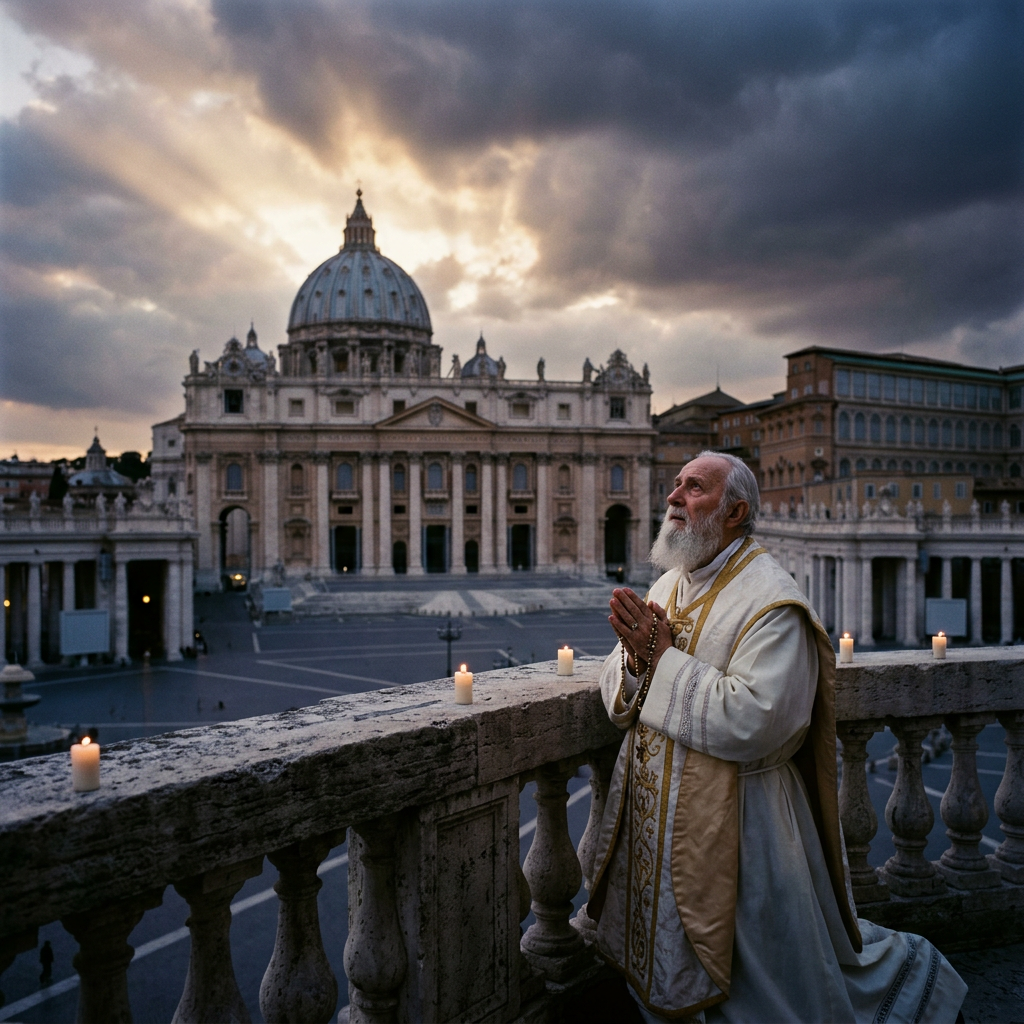
The world’s reaction follows. The kings who committed fornication and lived deliciously with her stand afar off in fear, lamenting that judgment has come upon the mighty city in one hour. The merchants weep because no one buys their merchandise any longer—the long inventory of gold, silver, precious stones, fine linen, purple, scarlet, and even “slaves, and souls of men.” Every shipmaster and sailor casts dust on his head, crying that the city which enriched all who traded by sea has been made desolate in one hour. Their grief is the grief of lost profit and lost power.
Heaven is told to do the opposite: “Rejoice over her, thou heaven, and ye holy apostles and prophets; for God hath avenged you on her.” The blood of the martyrs has been answered.
The Claim That Cannot Survive the Fire
Roman Catholicism has long asserted that it is the Church Jesus founded upon Peter, and that the gates of hell shall not prevail against it. The claim rests on a particular reading of Matthew 16:18. For centuries that claim has been repeated as an unbreakable guarantee of institutional perpetuity. Popes have sat in Rome, councils have spoken from Rome, and the faithful have been taught that the visible structure headquartered in the Vatican is the one true Church against which the powers of darkness can never succeed.
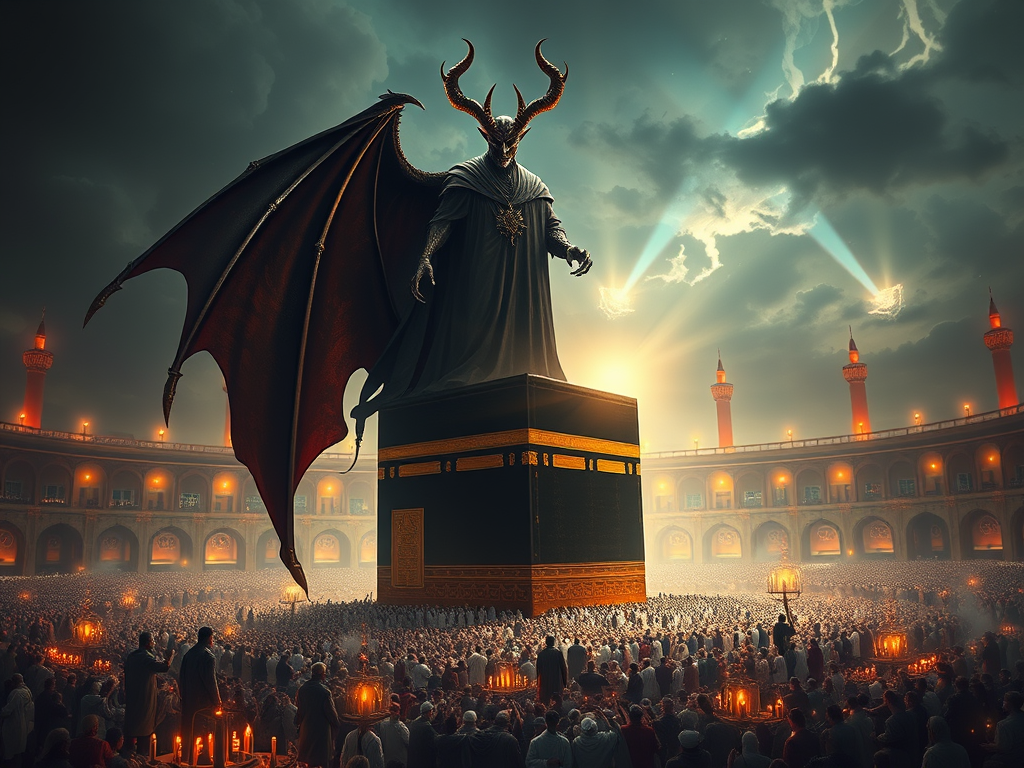
Yet the same Scripture that records Christ’s promise also records the future of the city that claims it. When the Antichrist—empowered by Satan, the dragon who gives the beast his power, seat, and great authority—turns on the Vatican and burns it with fire, the claim will be tested in the sight of the whole earth. A system that is reduced to a habitation of demons, stripped of its wealth, and left smoking in a single hour cannot be the Church against which the gates of hell never prevail.
The gates of hell, in the person of the beast who ascends from the bottomless pit, will have prevailed over that particular city and that particular system.
This is not a call to hatred of individual Catholics. It is a sober reading of the text. The warning of Revelation 18:4 is issued precisely because God still has people inside the system even at that late hour. They are commanded to come out so they do not share her sins or her plagues.
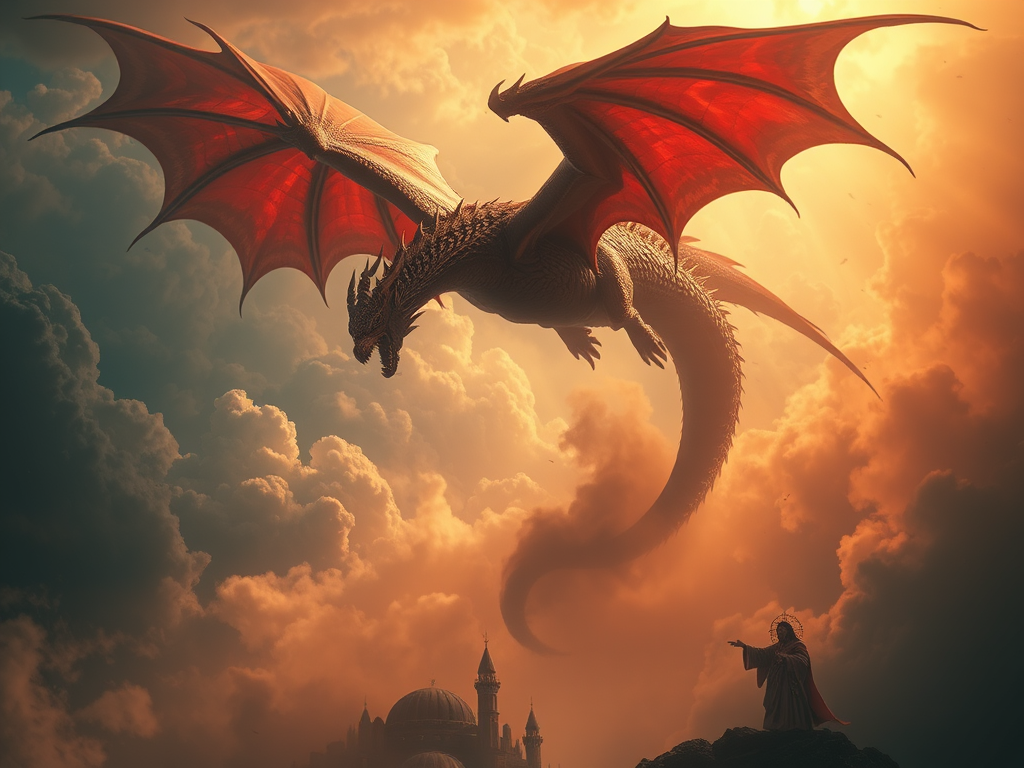
The destruction itself becomes the final proof that the institution which exalted itself as the permanent queen, saying in her heart, “I sit a queen, and am no widow, and shall see no sorrow,” was never the pure Church of the Lamb.
A Window into Future Fulfillment
The sequence is coherent and literal. A global religious system centered in Rome rides the final Islamic empire for a season. That empire, under the Antichrist known in Islamic tradition as the Mahdi, and supported by a ten-king coalition, then hates the system, makes it desolate, and burns it with fire. The world watches the smoke, mourns the economic and political loss, and stands afar off in fear. Heaven rejoices at the justice of God.
Any of God’s people still inside are given one last command to separate. When that day arrives, the spectacle will not be ambiguous. The city that claimed the promise of Matthew 16:18 will lie in ashes at the hand of the very power Scripture identifies with Satan’s final earthly expression. The world will see that the gates of hell did prevail against that institution. The true Church—the company of the called, chosen, and faithful who refuse the mark of the beast and hold the testimony of Jesus—will remain, awaiting the return of the Lamb who is Lord of lords and King of kings.
This is the future that a plain reading of Revelation 17 and 18 sets before us. It is not speculation built on later confessions. It is the text itself, judged by the text itself, unfolding in the tribulation that is still to come.


Leave a Reply