
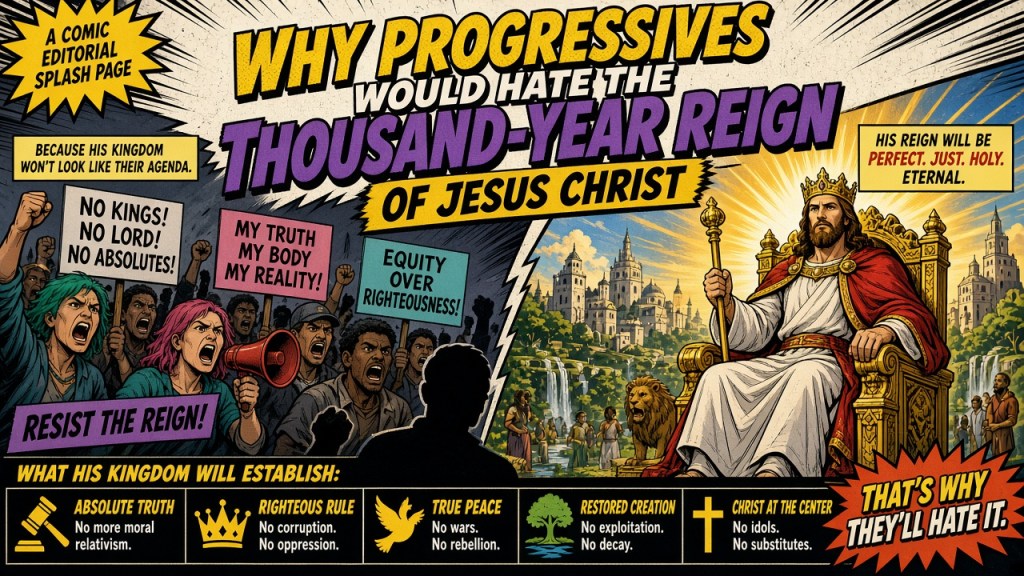
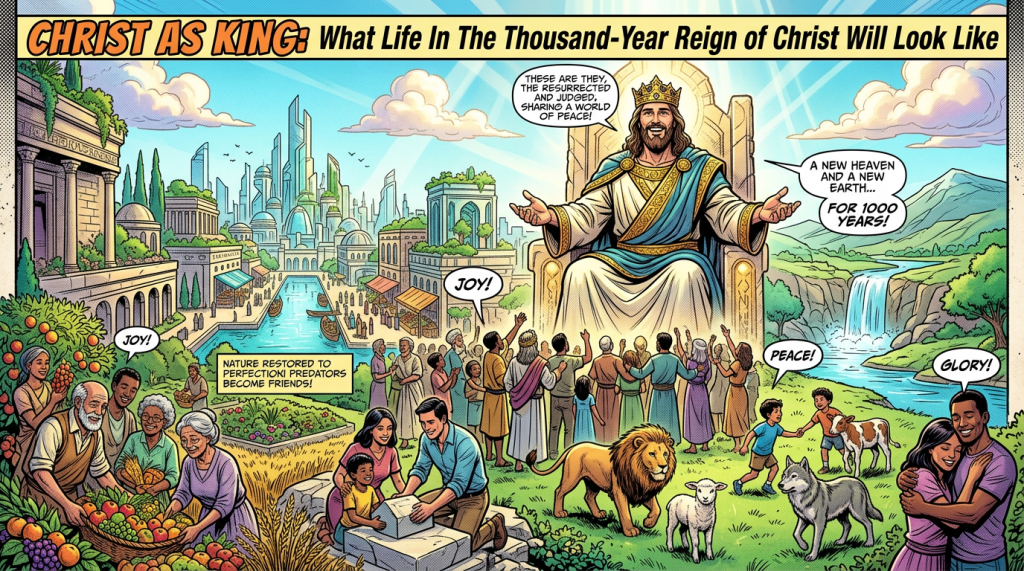
The prophetic descriptions of the thousand-year reign present a public order in which the law of the God of Jacob proceeds from Zion, the nations are taught his ways, and the King rules with a rod of iron.
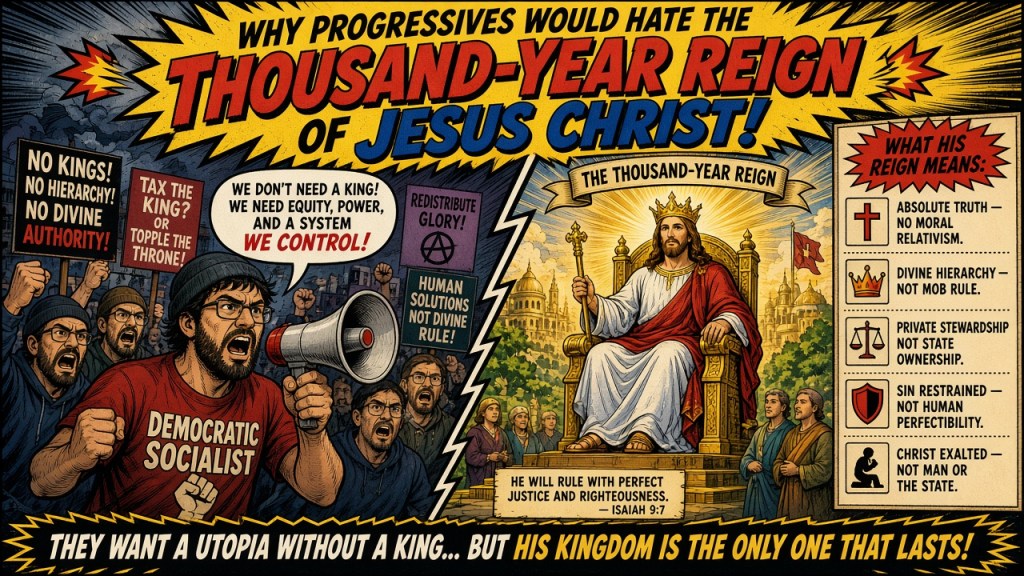
For a person shaped by the Democratic Socialists of America platform, that order would not appear as the fulfillment of justice or human flourishing. It would appear as the systematic exclusion of the platform’s defining commitments, enforced by an authority that treats those commitments as rebellion rather than rights. The result, according to the texts, is not negotiated accommodation but measurable judgment.
The DSA program’s healthcare and feminism planks demand “complete access to reproductive and gender-affirming care” and the end of “patriarchal restrictions on abortion,” while advancing “queer liberation” and unrestricted “gender expression and transition.” These positions treat the ending of unborn life as healthcare and the alteration of sexed embodiment as liberation.
Under the reign, the law taught from Jerusalem includes the creation distinction of male and female and the statutes that protect innocent life and prohibit certain sexual practices as abominations. Isaiah 2:3 and Micah 4:2 state that the nations will say, “he will teach us of his ways, and we will walk in his paths: for out of Zion shall go forth the law.”

Zechariah 14:16–19 requires every one left of the nations to go up yearly to worship the King and keep the Feast of Tabernacles, with drought or plague for refusal. Isaiah 66:23 adds that all flesh comes to worship from one sabbath to another and from one new moon to another. There is no exempted private sphere in which the platform’s redefinitions of life and sex can be practiced without consequence. The person who persists meets the condition of Isaiah 65:20: the sinner being an hundred years old shall be accursed, while one hundred remains the age of a child under the lengthened days of the period.
The rod of iron described in Psalm 2:9 and Revelation 19:15 breaks resistance rather than protecting it as autonomy.
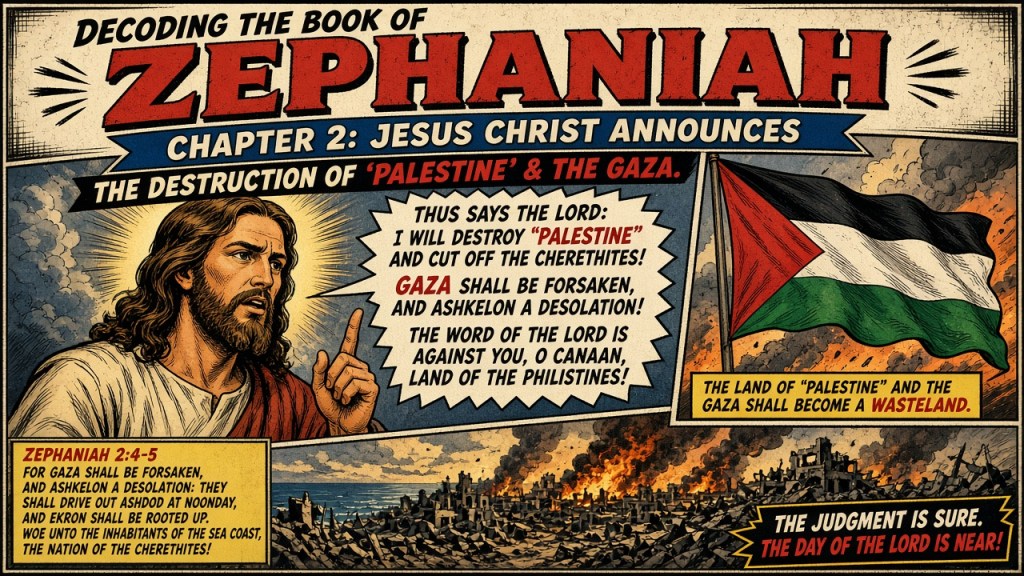
Foreign policy and migration planks produce a parallel collision. The platform calls for a free Palestine with Jerusalem as its capital, an end to all aid to Israel, prosecution of Israeli leaders for genocide, the abolition of ICE, amnesty for all immigrants regardless of status, and the end of visa caps and quotas.
The millennial texts center the sanctuary, the law, and worship in restored Israel under the Davidic King. Nations flow to the mountain of the Lord’s house; they do not redefine Jerusalem’s status or treat Israel’s restoration as an occupation to be reversed.
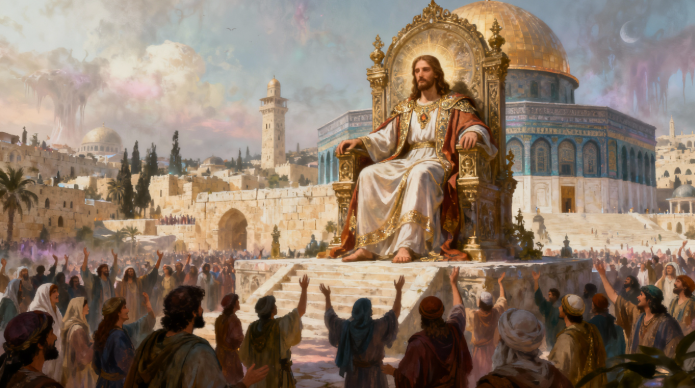
The King judges among the nations and rebukes many people so that instruments of war are converted to tools of cultivation. Open migration without reference to national bounds or the centering of the covenant people has no place in the passages that describe the uttermost parts of the earth as the King’s possession.
A progressive formed by the platform’s narrative of colonialism and occupation would experience the required ascent to Jerusalem and the public priority of Israel as the denial of self-determination. The texts record no mechanism by which that narrative overrides the King’s rule.
Economic, environmental, and criminal-justice demands fare similarly. Public ownership of the largest corporations, aggressive wealth taxes, a federal jobs guarantee, and a Green New Deal that phases out fossil fuels and places energy and transit under public control invert the protections of property and the expectation of honest labor found in the statutes.
The reign produces houses, vineyards, and abundance for those who walk in the Lord’s paths, while the rebellious are hungry and thirsty. Elevation of the earth or the creature above the Creator is precluded by the knowledge of the Lord covering the earth as the waters cover the sea. Abolition of the police and prison system, another platform goal, meets a King who smites the earth with the rod of his mouth and slays the wicked with the breath of his lips.

Enforcement is not dismantled as an instrument of the rich; it is the means by which the law from Zion is upheld against those who will not submit. Isaiah 11:4–9 pairs that smiting with equity and the end of harm on the holy mountain, but the equity is the King’s righteousness, not the platform’s redistribution of grievance.
A secular person who has adopted these commitments would therefore live under continuous, public restraint. The mandatory pilgrimages, the teaching of ways that contradict the platform’s definitions of equity and bodily autonomy, the visible priority of Israel, and the material penalties for noncompliance would constitute the daily denial of every major tentpole.
Isaiah 65:13–14 already states the resulting condition: the Lord’s servants eat, drink, and rejoice, but the others are hungry, thirsty, ashamed, cry for sorrow of heart, and howl for vexation of spirit. That vexation is not a temporary political setback. It is the experience of living under statutes that the progressive has already judged to be patriarchal, colonial, and unjust, now administered by the King whose law those statutes are. The person remains free to refuse the feast, to reject the teaching, and to continue in the practices the platform celebrates.
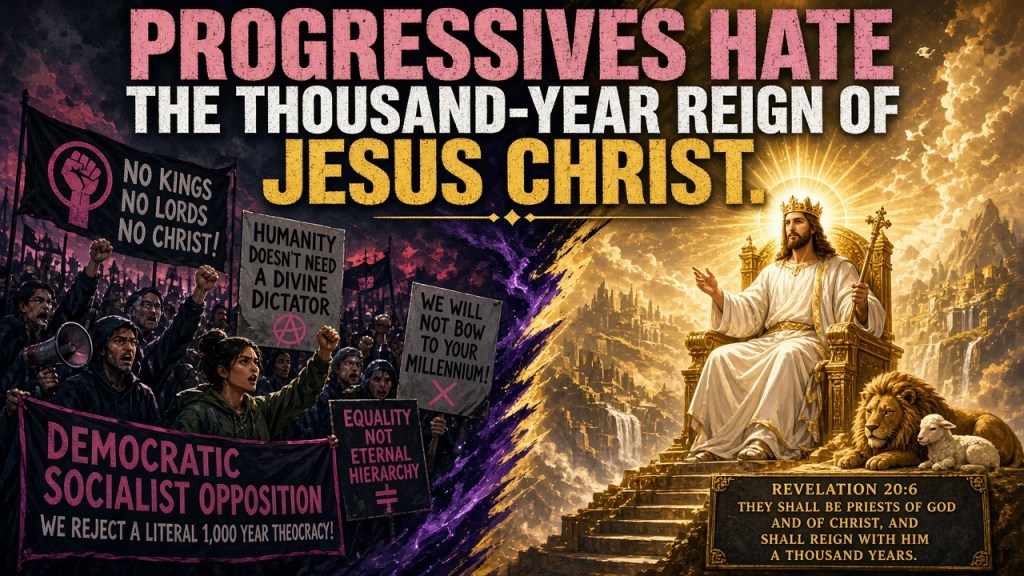
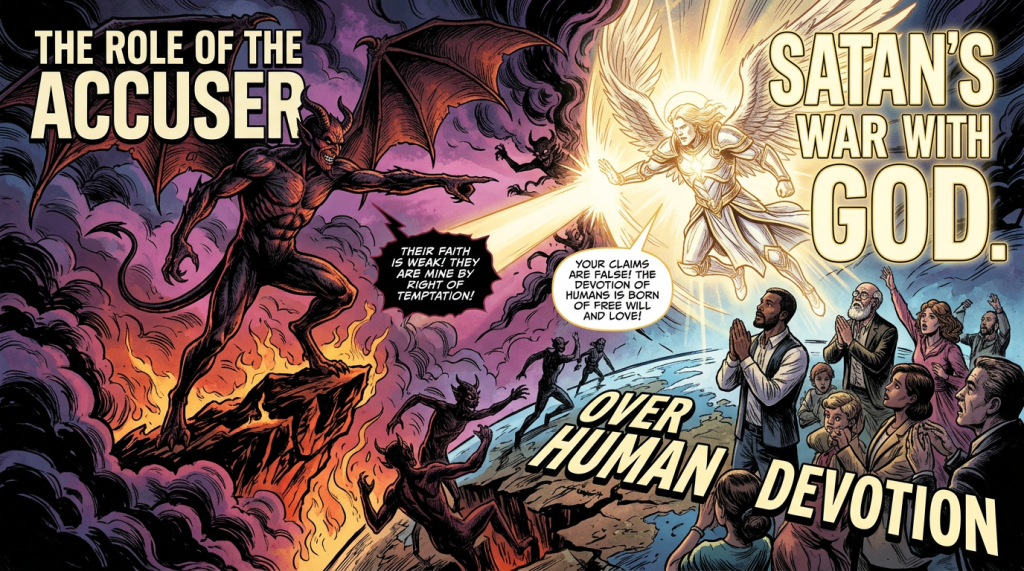
The texts do not promise that the rod will be withheld to preserve that refusal. They promise drought, plague, hunger, shame, and early accursed death.The organized rebellion that follows the thousand years does not require the invention of a new ideology. Revelation 20:7–9 states that when the thousand years are expired, Satan is loosed and goes out to deceive the nations in the four quarters of the earth, gathering a number as the sand of the sea to compass the camp of the saints and the beloved city.
During the reign he cannot deceive. The multitude that responds when he is released consists of those whose hearts never submitted, even under the absence of deception, the presence of the King, and the knowledge of the Lord covering the earth. The DSA platform’s inversions of life, sex, borders, property, and Israel are the present cultivation of that refusal.
Under the law that goes forth from Zion they are not accommodated as rights or progress. They are barred, and the person who holds them meets the penalties the prophets describe. The reign exposes rather than converts the unsubmitted will. External righteous government, however perfectly administered, does not change the heart that has already called the law of the Lord oppression. When the binding ends, that heart is available for deception.

The progressive who hates the thousand-year reign does so because the reign treats the platform’s core demands as the very rebellion the statutes forbid, and the texts give no indication that the King will revise the statutes to remove the offense.


Leave a Reply