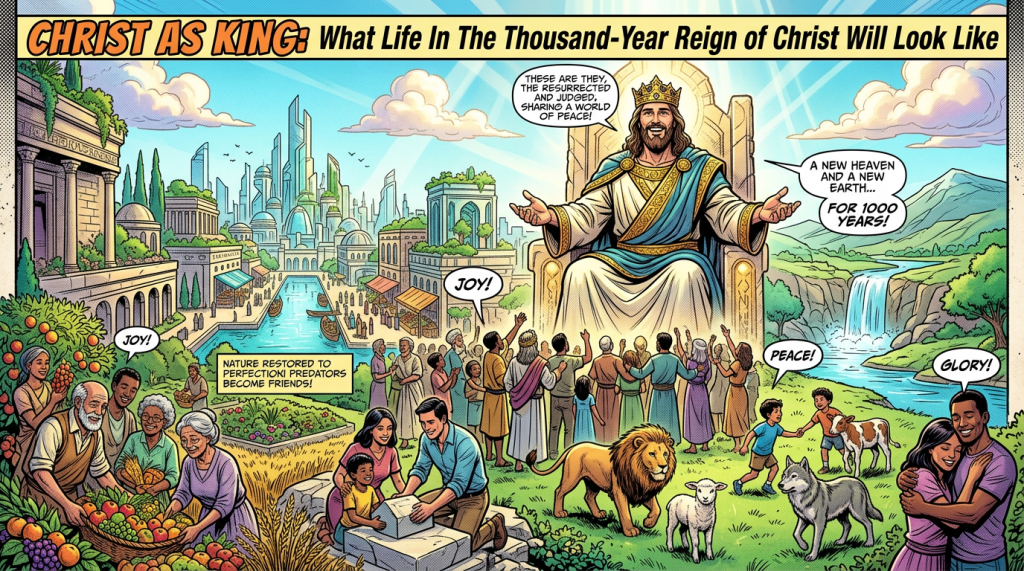
In the prophetic literature of the King James Bible, the thousand-year reign of Christ is not an abstraction or a spiritual metaphor. It is a concrete administration centered in Jerusalem, in which the law of the God of Jacob proceeds from Zion and the nations are taught his ways.
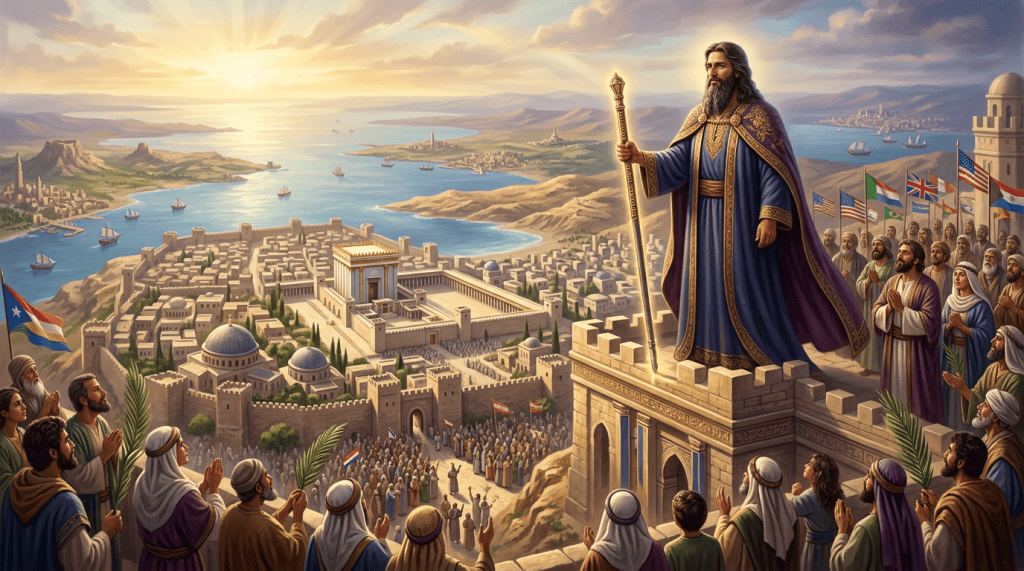
The texts describe both the statutes that will govern public life and the sharply divergent outcomes for those who walk in those paths and those who refuse.
Isaiah 2:2–4 and Micah 4:1–3 locate the mountain of the Lord’s house as the highest of the mountains. Peoples and nations flow to it, saying, “Come ye, and let us go up to the mountain of the LORD, to the house of the God of Jacob; and he will teach us of his ways, and we will walk in his paths: for out of Zion shall go forth the law, and the word of the LORD from Jerusalem.”
The King judges among the nations and rebukes many people. War ceases. The same expectation appears in Zechariah 14, where the Lord is King over all the earth and survivors of the nations must go up yearly to worship him and keep the Feast of Tabernacles. Refusal brings drought or plague. Isaiah 66:23 adds that from one new moon to another and from one sabbath to another all flesh comes to worship before the Lord. These are not optional cultural observances; they are the public calendar and the terms of submission under the restored Davidic throne.
The character of enforcement is stated without softening. Psalm 2:9, Revelation 2:27, and Revelation 19:15 describe the King ruling the nations with a rod of iron and dashing the resistant like a potter’s vessel. Isaiah 11:4 says he smites the earth with the rod of his mouth and slays the wicked with the breath of his lips. The knowledge of the Lord covers the earth as the waters cover the sea, yet the capacity for human refusal remains.
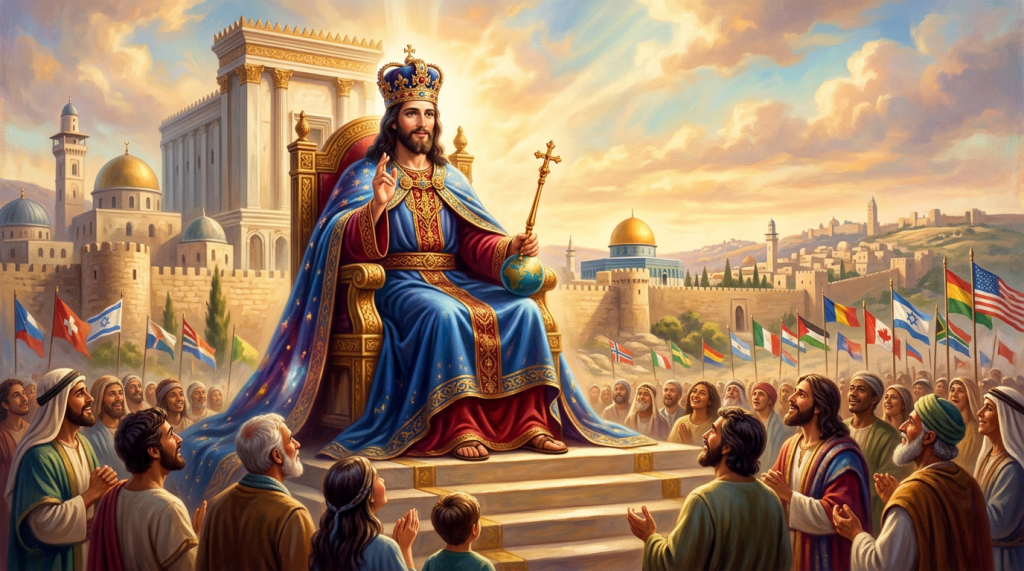
Satan is bound for the thousand years and cannot deceive the nations, but people born in natural bodies during the period are still capable of sin. The statutes, judgments, feasts, and sabbaths given through Moses are the content of the law taught from Zion; the new covenant writes that law on the heart of restored Israel, while the nations are required to learn and observe its public requirements.
Under these conditions the difference between the righteous and the wicked is not merely internal. Isaiah 65:13–14 draws the contrast: the Lord’s servants eat, drink, and rejoice; the others are hungry, thirsty, ashamed, cry for sorrow of heart, and howl for vexation of spirit. Verse 20 states that there will be no more an infant of days nor an old man who has not filled his days, “for the child shall die an hundred years old; but the sinner being an hundred years old shall be accursed.”
One hundred years becomes the age of a child under the lengthened lifespans. The obedient fill their days in a land of abundance and peace. The persistent sinner is cut off at that age under the curse. National or familial refusal of the Feast of Tabernacles produces agricultural failure or plague.
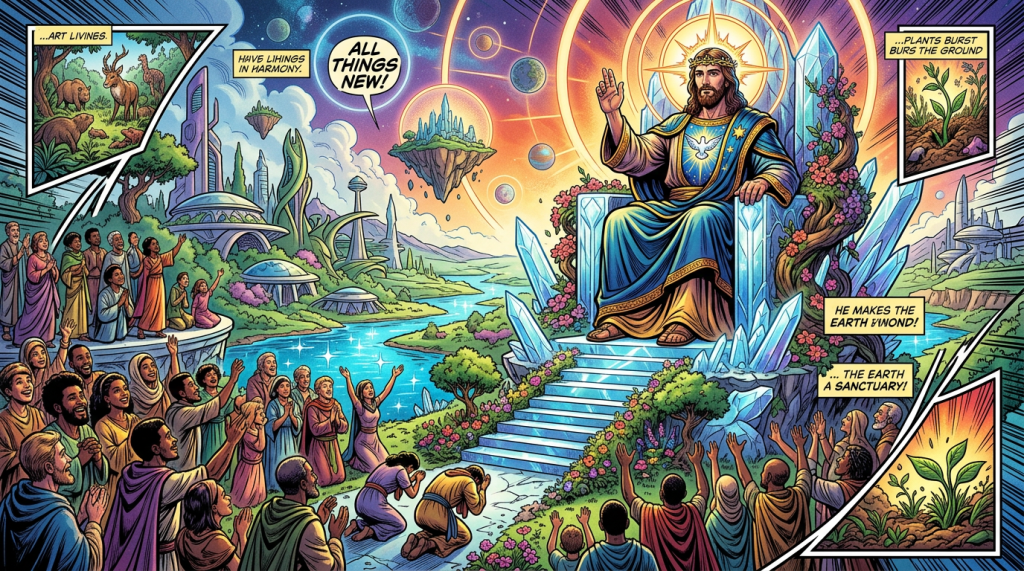
The rod of iron and the breath of the King’s lips supply the means of judgment. Death itself is not removed for those in natural bodies until after the thousand years.
The result is a society in which righteousness is publicly taught and enforced from Jerusalem, war is ended among the compliant, and longevity and prosperity attend those who walk in the paths of the Lord. It is also a society in which open noncompliance meets immediate and measurable consequence: deprivation, shame, early death, and the breaking of resistance.
The final organized rebellion occurs only after the thousand years, when Satan is loosed and deceives the nations to gather against the camp of the saints and the beloved city. The existence of that multitude indicates that external righteous rule, even under the visible King and without satanic deception, does not of itself convert the unsubmitted heart.
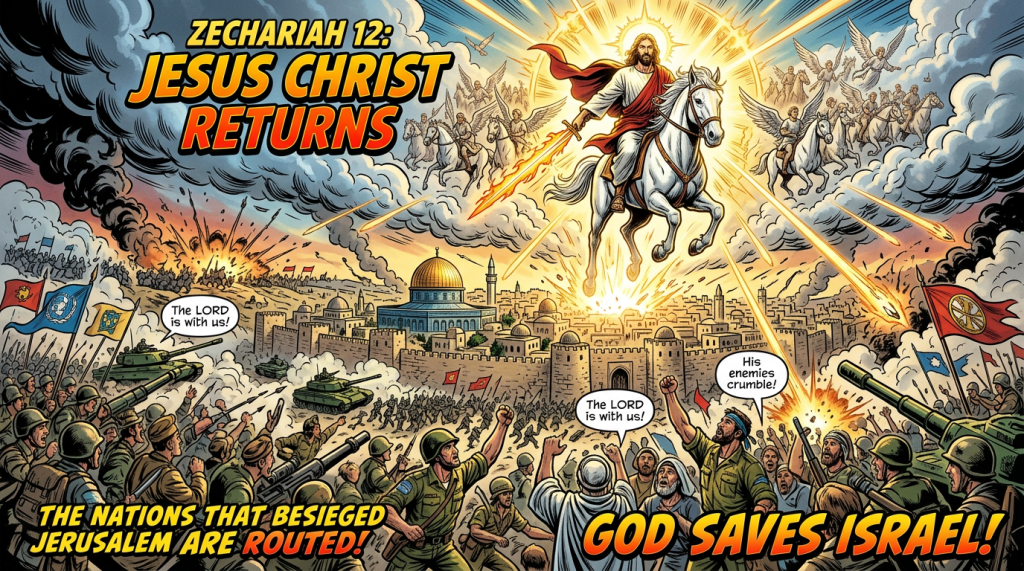
The prophetic picture is therefore neither an egalitarian utopia nor an unaccountable despotism. It is the administration of the law that proceeds from Zion, applied with the authority to judge and to break, producing abundance and long life for the obedient and hunger, shame, and early accursed death for the wicked. The texts present these outcomes as the consistent result of the King’s reign until the thousand years are finished.


Leave a Reply