
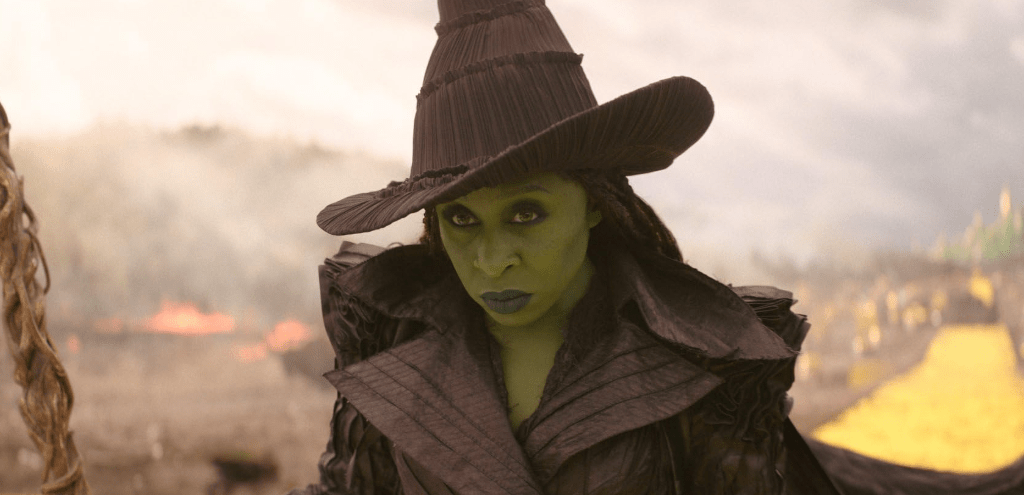
Jon M. Chu’s Wicked: For Good, the bloated second half of the two-part Broadway cash-grab, finally slithered into theaters, and the result is one of the most spiritually rancid pieces of Hollywood propaganda ever committed to film.
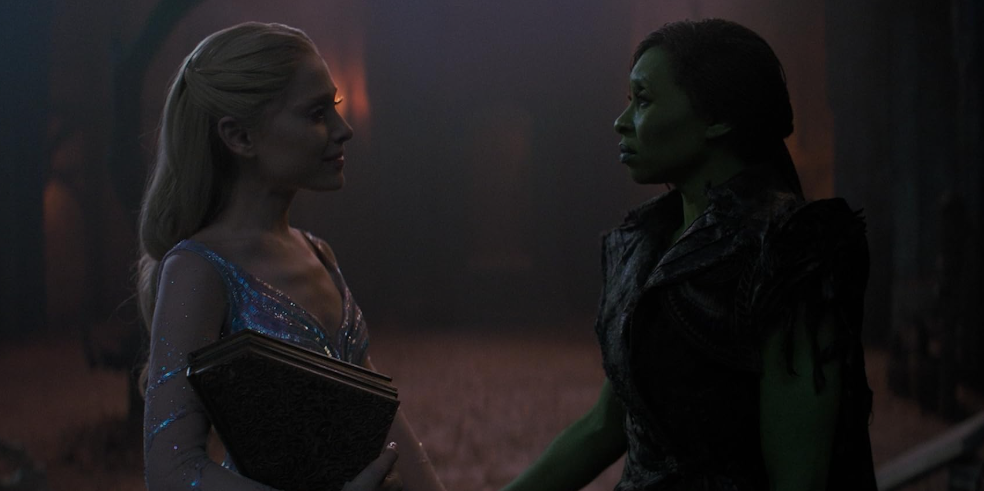
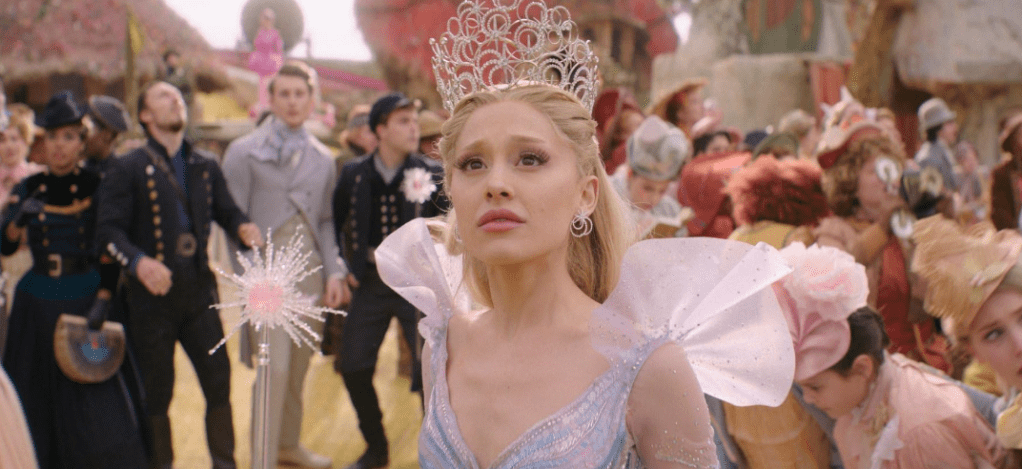
What began as a prequel to L. Frank Baum’s wholesome 1900 children’s classic has metastasized into a full-throated Gnostic sermon that turns Dorothy Gale into a murderous dupe, crowns the Wicked Witch of the West as a messianic victim-saint, and drenches the whole thing in feminist and LGBTQ idolatry. This is not entertainment; this is catechism for the Gnostic religion, set to power ballads and wrapped in Ariana Grande’s deadly thin bubble-pink propaganda.
For those mercifully spared the ordeal, Wicked: For Good picks up after Elphaba (Cynthia Erivo) has been branded the “Wicked Witch” and driven into hiding. While Glinda the Good (Ariana Grande) lounges as the Wizard’s glittery mouthpiece, Elphaba uses the forbidden Grimmerie spell-book to wage guerrilla warfare against the Emerald City’s regime, which has been systematically stripping talking Animals of their speech. The Wizard (Jeff Goldblum, phoning it in) is revealed to be Elphaba’s biological father—a grotesque Oedipal twist absent from every prior version of the story.
Let us speak plainly: this film is a Satanic inversion of Baum’s original parable. In The Wonderful Wizard of Oz, Dorothy is the humble Kansas farm-girl whose childlike faith and ruby-slippered obedience to Glinda’s instructions lead her home—a clear Christ-allegory of the pilgrim soul returning to the Creator. In Wicked: For Good, Dorothy is reduced to a brainwashed teenage assassin manipulated into “killing” the true savior, Elphaba.
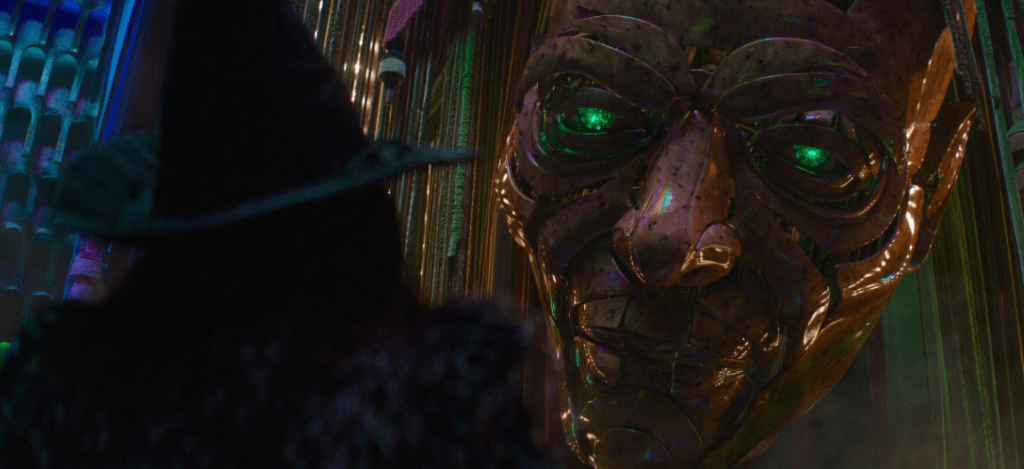
The ruby slippers—once symbols of blood-bought redemption—are now stolen grave-goods ripped from the corpse of Elphaba’s crippled sister. This is textbook Gnosticism: the material world (Oz under the Wizard) is a prison created by a malevolent or incompetent Demiurge. The green-skinned Elphaba is the divine “spark” trapped in flesh, awakened by secret knowledge (the Grimmerie) and destined to overthrow the false creator through rebellion and sorcery.
The film hammers this home with shameless visual metaphors—Elphaba literally ascending on her broom while belting “Defying Gravity,” bathed in green light like some emerald Lucifer. The Wizard, the closest thing the original story had to a flawed but ultimately repentant authority figure, is recast as the cosmic villain, and his banishment is celebrated as liberation.
Isaiah 5:20 was written for moments like this: “Woe unto them that call evil good, and good evil.” The pandering is suffocating. Every beat is engineered to flatter the modern progressive woman and the LGBTQ lobby. Elphaba’s green skin is now explicit queer/disability coding—Erivo herself declared at the premiere that “green is the new rainbow.” Glinda and Elphaba’s relationship is drenched in barely-subtextual lesbian longing; the camera lingers on lingering glances, mirrored poses, and that climactic near-kiss with the reverence once reserved for sacramental scenes.
Fiyero’s transformation into the Scarecrow is framed as a “transition” narrative—he literally dies as one man and is reborn as another, complete with a new body that Elphaba finds more authentic. The film’s marketing openly bragged about being “the gayest Wicked yet,” and the finished product delivers: rainbow flag colors bleed into every frame, from the Winkie guards’ updated uniforms to the aurora borealis that conveniently appears during the witches’ final duet.
Dorothy’s arrival via cyclone is recast not as divine providence but as a tragic accident exploited by the Wizard’s propaganda machine. Elphaba kidnaps the girl, stages her own “melting” death with a bucket of water and a trapdoor, and escapes with a newly resurrected Scarecrow-Fiyero (Jonathan Bailey) into permanent exile. Glinda, now fully “red-pilled,” banishes the Wizard, seizes power, and knowingly perpetuates the lie that Elphaba is dead to maintain order. The final shot is a sapphic-coded embrace across a shattered wall as the two witches croon “For Good,” promising that their toxic, world-altering friendship has changed Oz “forever.” Cue rainbow lighting and a slow-motion broomstick exit.
Musically, the score is a bloated corpse. New songs like “No Good Deed” (reprise) and the eleven-o’clock power-ballad “For Good” are belted with the subtlety of a sledgehammer, Erivo and Grande straining for Tony-clip glory while the lyrics preach moral relativism and self-worship. Stephen Schwartz has traded the playful wit of the stage show for sanctimonious sermons about how “good and wicked are just two sides of the same coin”—a line that would make the Apostle Paul reach for the nearest scourge.
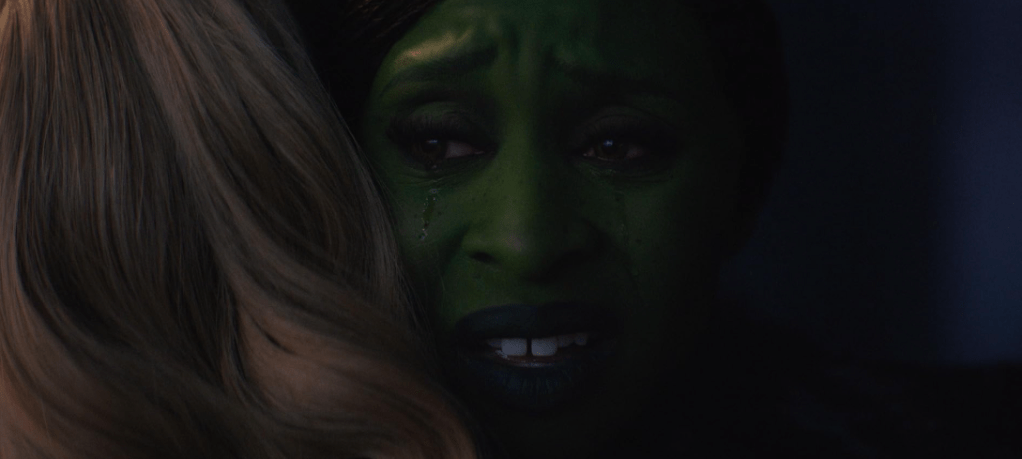
Visually, Chu mistakes excess for grandeur. Every frame is overstuffed with CGI Animals, floating lanterns, and enough lens flare to blind a cathedral. The color green—once a mark of curse in Scripture (Revelation 8:7)—is fetishized as holy. When Elphaba finally “melts” in slow-motion, the water turns emerald and sparkles like absinthe. It’s the cinematic equivalent of the serpent saying, “Ye shall not surely die.”
Wicked: For Good is not a movie; it is a two-hour-and-forty-minute recruitment video for Gnosticism, radical feminism, and the LGBTQ, dressed up in Broadway tunes and Oscar-bait cinematography. It takes one of the most beloved children’s stories in American literature and turns it into a blasphemous passion play where the witch is the crucified savior, Dorothy is Pontius Pilate with braids, and the way of salvation is secret knowledge plus same-sex soulmate energy.
Parents who let their daughters idolize this green-skinned Jezebel are handing them over to spirits the Bible explicitly names as enemies of God.


 Society Reviews
Leave a comment