

Since we’re knee-deep in Hollywood’s Gnostic sewer, no better exhibit of cinematic sorcery than Yorgos Lanthimos’ Bugonia (2025), a remake of the 2003 South Korean cult oddity Save the Green Planet! that swaps quirky pathos for pagan poison.

Lanthimos and Emma Stone share an eerie symbiosis—their fourth collaboration after The Favourite (2018), Poor Things (2023), and Kinds of Kindness (2024)—but this one reeks of something fouler, a deliberate descent into dualistic delirium. Beneath the so-called “absurdist” sheen—budgeted at a bloated $55 million, Lanthimos’ priciest yet, shot in Atlanta lies a gnostic gut-punch: aliens as archons, creation as a Demiurge trap, and humanity’s “salvation” through forbidden whispers from shape-shifting queens.
It’s not comedy; it’s a covert crusade against the Creator. As a stunt, the marketing shaved the heads of select Venice viewers for free screenings—a nod to the film’s ritualistic buzz-cut on Stone’s character, but really a profane parody of Nazarite vows (Numbers 6:5), mocking consecration as conspiracy cosplay.
When dissecting modern Hollywood, always suspect outright collusion, behaviors paraded in plain view like Babel’s builders (Genesis 11:4). Dig into Bugonia’s plot, and those suspicions crystallize: a tone shift from the Korean original’s tragicomedy—where a delusional alien-hunter bonds with his captive—to Lanthimos’ malignant remix, laced with ecological doomsaying and psychic subjugation that exalts rebellion over repentance.

In Atlanta’s underbelly, paranoid beekeeper Teddy Gatz (Jesse Plemons), a conspiracy nut fixated on extraterrestrial Armageddon, drags his loyal but dim-witted cousin Don (Aidan Delbis) into madness. Obsessed with vintage sci-fi and interstellar incursions, they target Michelle Fuller (Emma Stone), the CEO of Auxolith Pharmaceuticals—a Big Pharma behemoth fingered for bee die-offs, mind-warping meds, and humanity’s slow enslavement.
Scarred by his mother Sandy’s (Alicia Silverstone) coma from a botched Auxolith trial, Teddy masterminds an abduction: snatching Michelle from a glittering gala, they haul her to their tinfoil-clad basement bunker, a interrogation den of probes, posters, and paranoia.
Michelle stirs, dazed and denuded—her designer garb stripped, head forcibly shaved to jam “telepathic signals”—facing Teddy’s unhinged inquisition, dosed with antihistamines to hush her alleged hive-mind hum. Don wavers between loyalty and pity, manning the door as Michelle wields wit and fragility to dissect their psyches.

Screenwriter Will Tracy, fresh off The Menu’s cannibal caper, another film with questionable ties to a perverted view of reality and humanity, amps the original’s film into a claustrophobic crucible. Lanthimos’ pulses the film with pagan recoil against biblical bedrock. Poor Things birthed a Frankenstein frankenwoman—infant brain in adult flesh, crowned “God” in blasphemous jest—flipping prostitution into “empowerment” and creation’s gift into lab-grown lewdness.
Kinds of Kindness probed faith’s “sacrifices” and one-over-many power plays, a sly snipe at Christ’s lordship (Matthew 28:18). Here, the Andromedans—malignant insectoid overlords who become a not so subtle reference to Angels in Heaven become the incarnate Gnostic archons: spectral squatters from a “superior” plane, hijacking human husks to sow ecological apocalypse, corporate tyranny, and soul-harvesting hives.
These shape-shifting queens (Stone) aren’t pulp villains but heretical holograms of Ephesians 6:12’s “principalities… rulers of the darkness,” rebranded as cosmic critics unmasking earth’s “filth.” The film warps Scripture’s Eden-to-Eden-restored bow (Revelation 21:1) into a Demiurge dungeon, “redeemable” only by archonic “revelations” to basement seers—scoffing at John 3:13’s incarnate Savior: “No man hath ascended up to heaven, but he that came down from heaven, even the Son of man.”
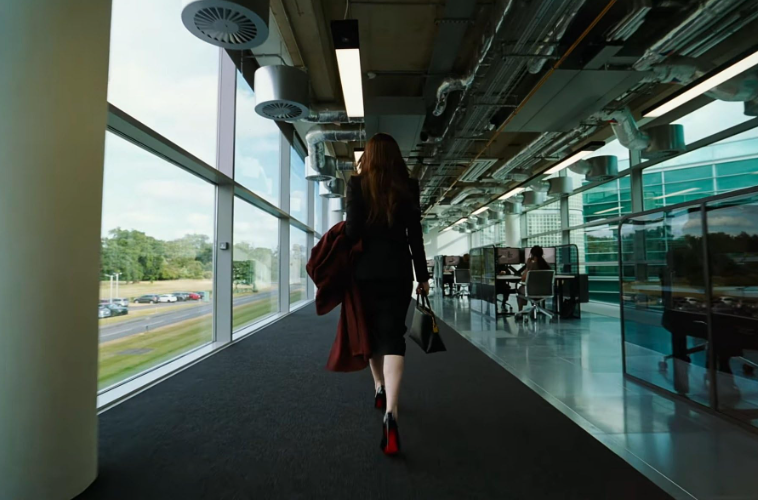
Bugonia perverts six biblical pillars into Gnostic gall. First, Andromedans as archons desecrate creation’s goodness (Genesis 1:31), framing the Demiurge’s world as a flawed cage for alien audit and “liberation” via illicit gnosis. Teddy’s beekeeper “epiphany”—conspiracy podcasts as oracles—profanely parodies Genesis 1:28’s dominion, poisoning providential bees into omens of curse, inverting agriculture into hunted paranoia.
The abduction of Michelle profanes 1 Corinthians 6:19’s body-as-temple, reducing flesh to a facade for possession—big pharma’s meds twists Christ’s healings (Matthew 4:23. The basement grill mocks The Great White Throne judgment.
Michelle’s pharma plot—potions fueling bee blight and human hives—mirrors the Gnostic teachings of Pistis Sophia’s mangled universe, corrupting 1 Timothy 5:23’s common grace into Demiurge deceit and lampooning Romans 8:22’s creation-groan for archon reaping. Finally, the hive’s collectivist crush parodying 1 Corinthians ecclesial oneness as archonic absorption. When you know what the Bible teaches and how the Gnostics pervert and twist the truth, the real story of this film becomes clear.

Bugonia epitomizes films engineered to sail over the masses’ heads—blind to the spiritual skirmish of Christianity versus Hollywood’s narcissistic nectar, peddled as popcorn fodder daily. For the discerning, it’s a masterclass in the creatives’ cinematic crusade against the Creator: Stone’s archon queen a chilling cipher for Sophia’s fall, Plemons’ Teddy a tragic truth-seeker sans Savior, cinematographer Robbie Ryan even decides to frame a fractured firmament towards the end of the movie, matching the Bible’s structure of Earth found in scripture.
As quality cinema? A $55-million misfire—predictable paranoia, tonal whiplash from Korean warmth to Western woe, and a “montage finale” that fizzles into fog. But this film was never meant to be a box office success, it was all about the message. In 2025’s surreal slate, it’s a siren song to the abyss.
1.5/5
Don’t forget to Subscribe for Updates. Also, Follow Us at Society-Reviews, YouTube, Instagram, Twitter, Odysee, Rumble, and Twitch




 Society Reviews
Leave a comment