
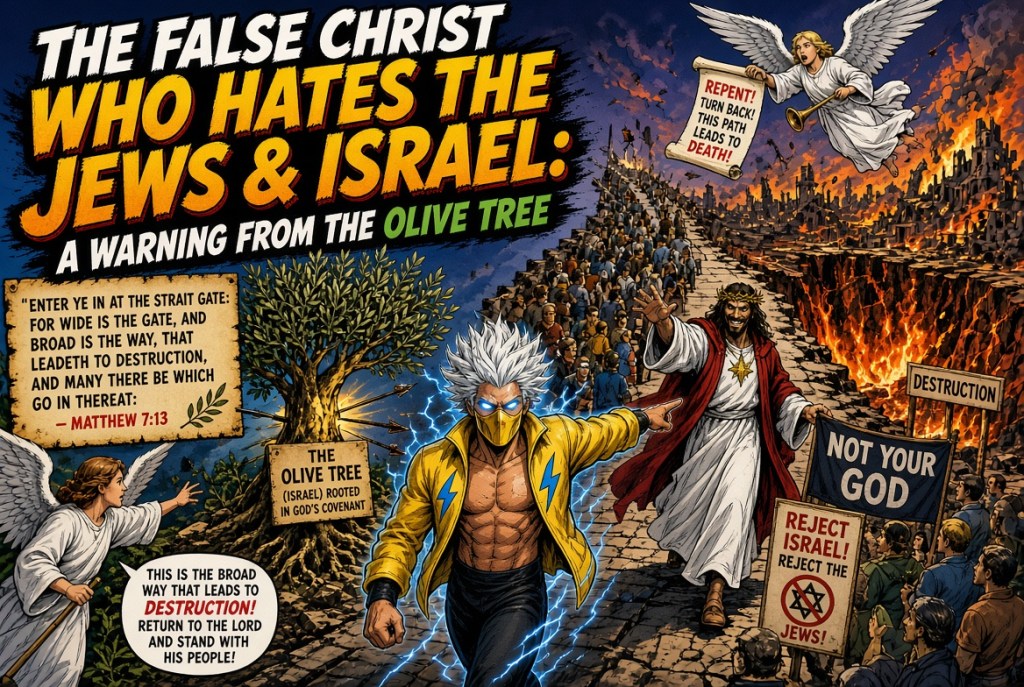
I recently had a private exchange with a popular YouTuber in the right wing culture war sphere which became a perfect highlight of a growing distortion among those who claim the name of Christ.
When pressed on the plain words of Scripture concerning Israel, his replies reveal not only a strong distain for the Israel but the word of God itself. Replying that he is “not into having a theology debate on Israel,” that he is “sick of hearing about them,” that he has “never liked them,” and that “Israel is old covenant. Jesus and his Church is what matters.”
When further pressed with the text of Zechariah 12 using the words of the very Lord he claims to believe in, he answers twice with the blunt declaration “Fuck Israel,” asserts that “the real Israel was destroyed by Rome,” and dismisses further discussion as “boomer bullshit.” This is not an isolated outburst. It is the voice of a false Christ—a figure who is said to love the Church while harboring settled enmity toward the natural branches of the olive tree.
Those who follow this invention do not merely hold an eccentric view of prophecy. They place themselves under the direct warnings of Romans 11:11–24 and Matthew 7:21–23. The danger is not merely doctrinal error. It is the possibility that the one who says “Lord, Lord” while cursing the natural branches is among those whom Christ will declare He never knew.
The exchange is worth quoting at length because it refuses abstraction. The YouTuber does not offer a careful argument about the relationship between the covenants or the nature of the Church. He states a personal aversion (“I’ve never liked them”), a political grievance (“their massive influence over our government”), and a theological dismissal (“Israel is old covenant”). When I quoted Zechariah 12—“And I will pour upon the house of David, and upon the inhabitants of Jerusalem, the spirit of grace and of supplications: and they shall look upon me whom they have pierced” a clear reference to the day that the Jews ad the remnant of Israel acknowledge Christ Jesus as the Messiah—the response is not engagement with the identity of the pierced One. It is another curse and the claim that Rome ended Israel.
The prophetic Word of the Lord is treated as irrelevant once it concerns the house of David and Jerusalem. This posture is the textbook illustration of the highmindedness forbidden in Romans 11. Paul writes to Gentiles who have been grafted into the olive tree among the natural branches. He states that Israel’s stumbling was not a permanent fall: “Have they stumbled that they should fall? God forbid.” Their fall brought riches to the Gentiles, but the text looks forward to their fulness. The Gentile is warned: “Boast not against the branches. But if thou boast, thou bearest not the root, but the root thee.” The natural branches were broken off because of unbelief, and the wild branches stand by faith. Therefore, “Be not highminded, but fear: For if God spared not the natural branches, take heed lest he also spare not thee.”
The conditional follows at once: “toward thee, goodness, if thou continue in his goodness: otherwise thou also shalt be cut off.” God is able to graft the natural branches in again; it is more natural for them than it was for the wild olive to be grafted contrary to nature.

The YouTuber does not merely disagree with a particular reading of Romans 11. He exhibits the precise attitude the apostle forbids. “I’ve never liked them,” repeated “Fuck Israel,” and “destroyed by Rome” are not neutral observations. They are boasting against the branches and highmindedness toward those whom God has not permanently cast away.
The claim that “Jesus and his Church is what matters” is offered as the justification for this enmity. In the logic of the false Christ, love for the Church requires hatred or indifference toward the natural branches. The text of Romans 11 presents the opposite relation: the root supports the branches, and the grafted are commanded not to boast against those from whom they partake of the fatness.
The same exchange reveals the refusal of the Word that identifies the Lord. Zechariah 12 is not an ambiguous aside. It speaks of the house of David, the inhabitants of Jerusalem, the pouring out of the spirit of grace, and the looking upon the One who was pierced. When this is placed before the YouTuber as the words of Christ, he does not ask who the pierced One is or how the house of David is addressed. He curses Israel and declares the subject finished. A Christ who hates the Jews has no use for this text.
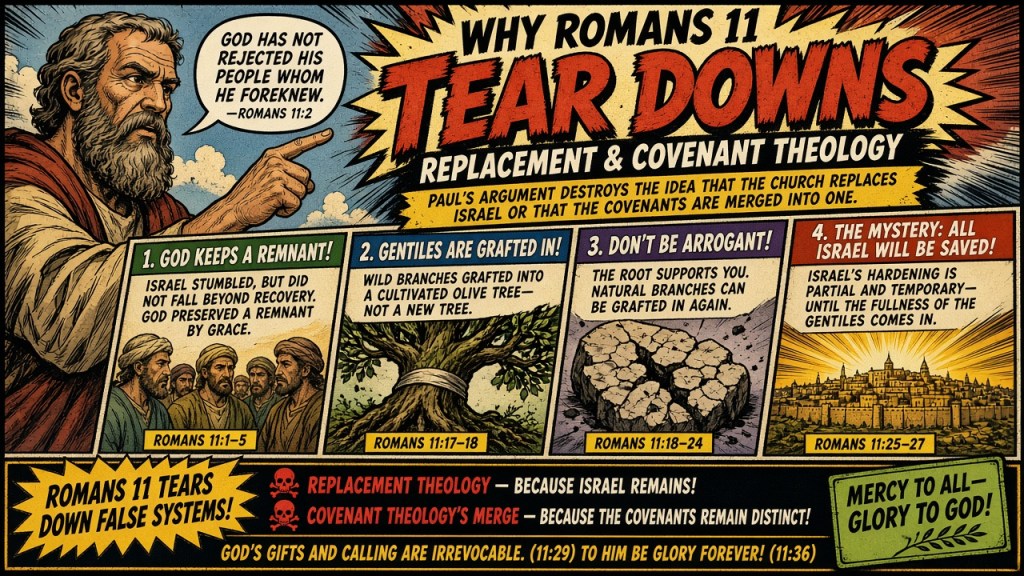
He cannot be the Lord who addresses the house of David or who is the pierced One they will mourn as an only son. The false Christ is constructed precisely by silencing or subordinating every passage that continues to speak of Israel.
Matthew 7:21–23 supplies the consequence for those who follow this invention. “Not every one that saith unto me, Lord, Lord, shall enter into the kingdom of heaven; but he that doeth the will of my Father which is in heaven.” Many will claim to have prophesied, cast out devils, and done wonderful works in His name, yet hear the verdict: “I never knew you: depart from me, ye that work iniquity.” The person who says “Jesus and his Church is what matters” while cursing the natural branches and refusing the Word that concerns them is saying “Lord, Lord” to a figure of his own making.
The iniquity is not hidden. It is the highmindedness Romans 11 names and the refusal to continue in the goodness that keeps the grafted branch from being cut off. The text does not treat settled hatred of the natural branches as a permissible difference of emphasis. It treats the posture as grounds for fear that one may be among those who are not known.
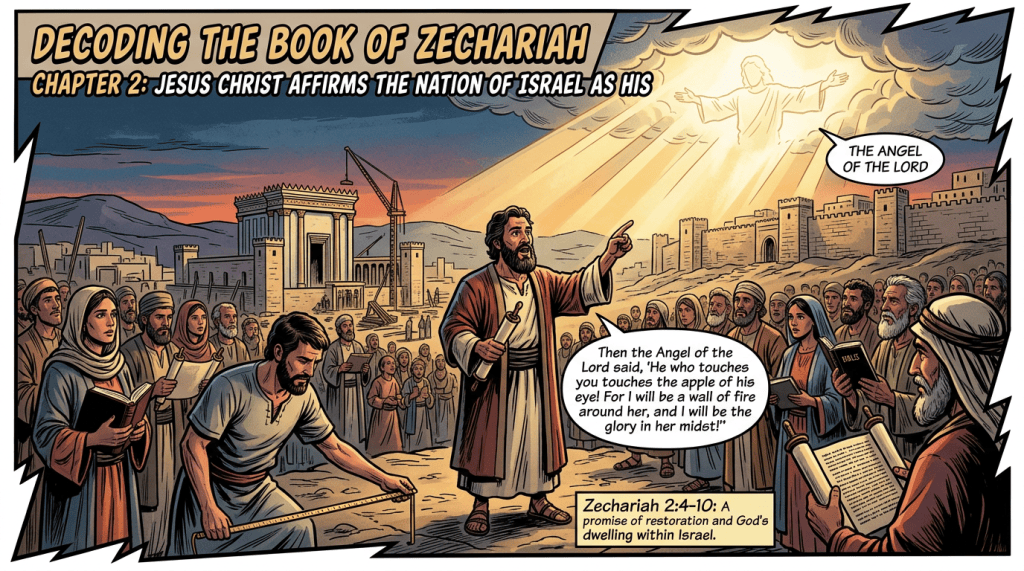
John 16:2 adds the element of self-deception. Jesus warns that “the time cometh, that whosoever killeth you will think that he doeth God service.” The immediate context is the persecution of His disciples, including expulsion from the synagogues. The principle extends to any religious conviction that one is serving God while opposing what belongs to Him.
Those who follow the false Christ who hates Israel frequently believe they are being faithful. They describe their aversion as loyalty to the Church and their dismissal of prophetic texts as rejection of “old covenant” or “boomer bullshit.” They are convinced the stance is correct. The warning of John 16:2 is that such conviction can coexist with the very enmity the apostle forbids. One can curse the natural branches, refuse the Word that addresses them, and still believe one is doing God service.
The question of whether such a person is saved cannot be settled by external profession. Romans 11 addresses those who currently stand by faith and partake of the root; it warns them that failure to continue in His goodness results in being cut off. If the person is presently standing by faith, the conditional threat applies directly to the highmindedness on display.
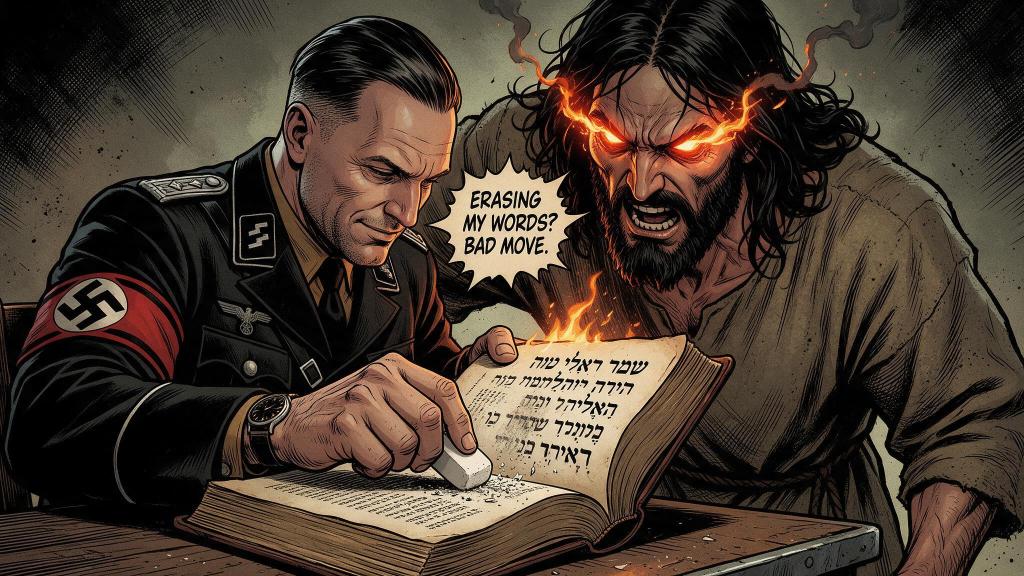
If the person is not saved, Matthew 7:21–23 supplies the governing description: one who says “Lord, Lord” while working the iniquity of hatred toward the natural branches and refusal of the Word. In either case, the texts do not offer reassurance. They offer the warning that the invented Christ who loves only the Church while hating the Jews is not the Christ who is able to graft the natural branches in again, nor the Christ who commands the grafted not to become highminded.
The false Christ is therefore not a minor variation. He is a figure constructed by selective attention to the name of Jesus and the reality of the Church while discarding the olive-tree teaching, the prophetic address to the house of David, and the explicit prohibition against boasting against the branches. Those who follow him may speak of salvation, of the cross, and of the Church. The exchange shows what accompanies that speech: settled dislike, repeated cursing, and the refusal to let the Word speak once it concerns Israel.
Romans 11:20–22 and Matthew 7:21–23 together expose the danger. The one who continues in highmindedness against the natural branches is warned that he may be cut off. The one who says “Lord, Lord” while doing so is warned that he may hear “I never knew you.”
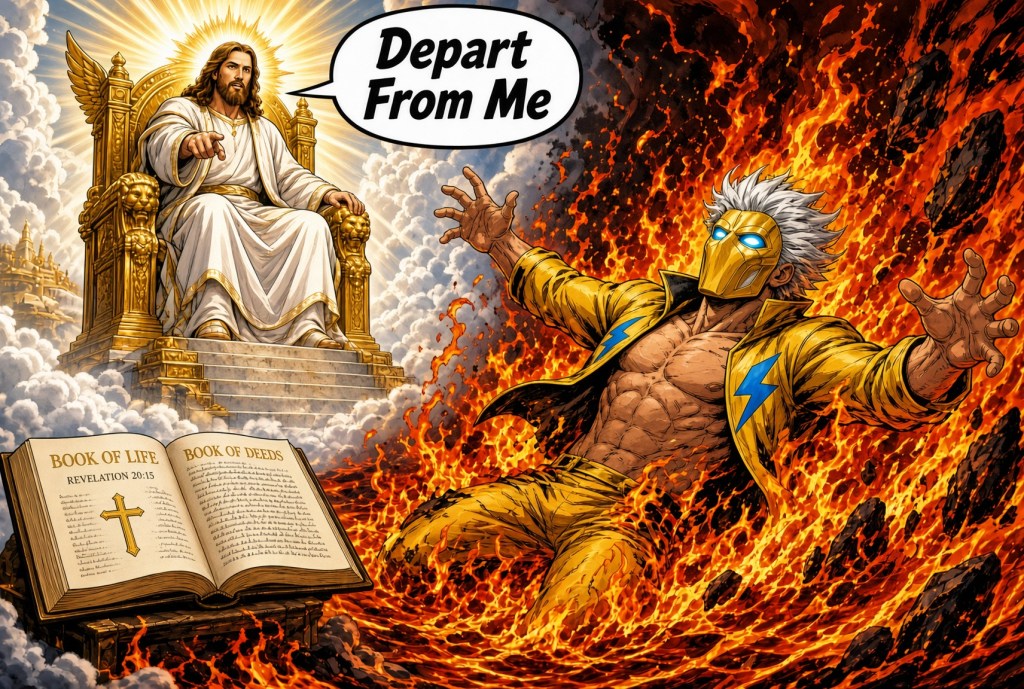
The conversation ends with the YouTuber blocking me to prevent further questions about Israel, his hatred of the nation stands firm. The prophetic text has been quoted. The warning against highmindedness has been implied. The response remains “Fuck Israel.” That is the practical fruit of the false Christ. It is also the posture that the apostle of the Gentiles told the grafted branches to fear. The texts leave the reader with the same instruction Paul gave: be not highminded, but fear. The alternative is to continue in the invention of a Christ who hates the natural branches and to discover, too late, that the true Christ never knew the one who followed the counterfeit.





Leave a Reply