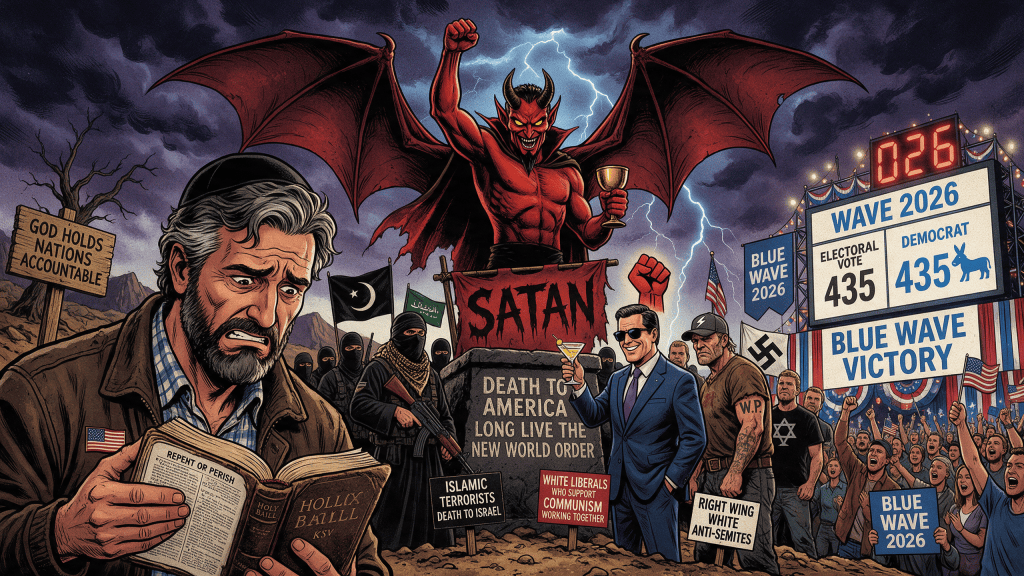
The 2026 midterms did not merely hand Democrats control of Congress. They confirmed that a spiritually corrosive coalition has gained institutional power in the United States.
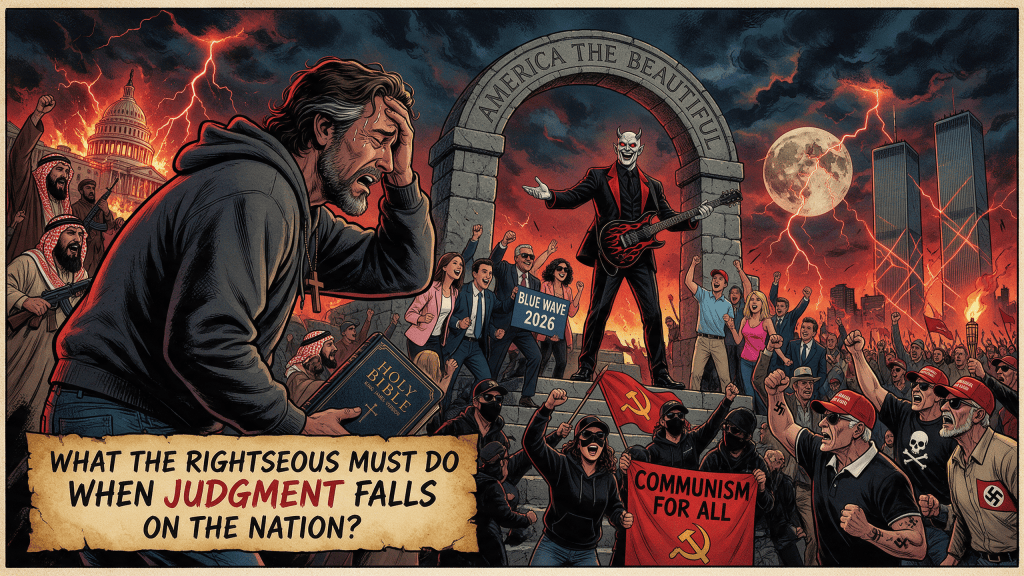
Progressive and democratic-socialist candidates advanced. Muslim candidates, including Abdul El-Sayed as the first Muslim elected to the Senate, expanded their representation. Shared hostility to the Jewish state and to the biblical moral order supplied common ground between political Islam and the collectivist left.
At the same time, certain voices on the right trafficked in open Jew-hatred, treating the covenant people of Abraham as the source of national decay rather than the people through whom God brought the Messiah and the oracles.
Scripture does not leave the righteous without instruction when the wicked rise and a nation is placed under judgment. The Bible is clear. When God judges a land, the righteous do not pretend the judgment is not real, nor do they place their hope in the next election cycle. They humble themselves, pray, seek God’s face, turn from their own sins, refuse compromise with the prevailing wickedness, and live by faith as a remnant.
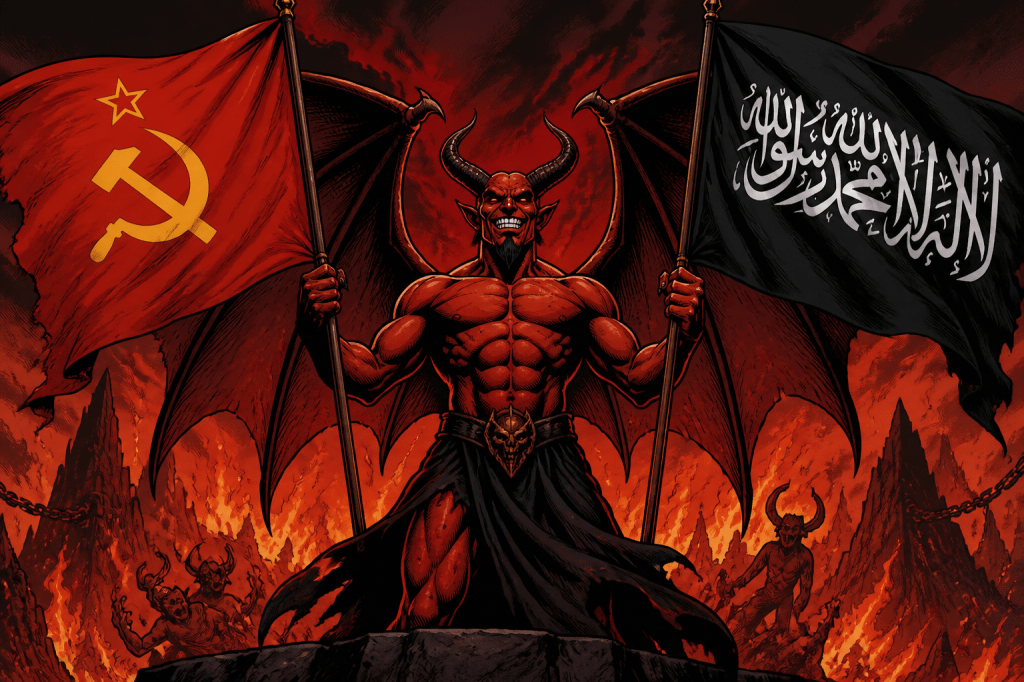
The three streams now visible are not equivalent in every respect, but each stands in open opposition to the God of Scripture. Political Islam rests on a foundational denial of the Son. Its traditional sources reject the crucifixion and present Jesus as a mere prophet. The apostle John is direct: “Who is a liar but he that denieth that Jesus is the Christ? He is antichrist, that denieth the Father and the Son” (1 John 2:22). “Every spirit that confesseth not that Jesus Christ is come in the flesh is not of God: and this is that spirit of antichrist” (1 John 4:3).
A political expression of that denial, oriented toward global submission and particular animus against Jerusalem and the Jewish people, cannot be baptized as a neutral “faith community.” It is antichrist in character. Historical and contemporary alliances with socialist movements—from Ba’athism to certain coalitions in the Iranian Revolution to present progressive electoral pacts—demonstrate that theological absolutism and materialist collectivism can reinforce one another against the biblical order.
Communism and its democratic-socialist variants are equally opposed to the revealed will of God. They treat private property as theft, labor as optional, the unborn as disposable, and male and female as social constructs. Scripture commands “Thou shalt not steal,” declares that “if any would not work, neither should he eat,” and establishes the created binary from the beginning (Exodus 20:15; 2 Thessalonians 3:10; Genesis 1:27).
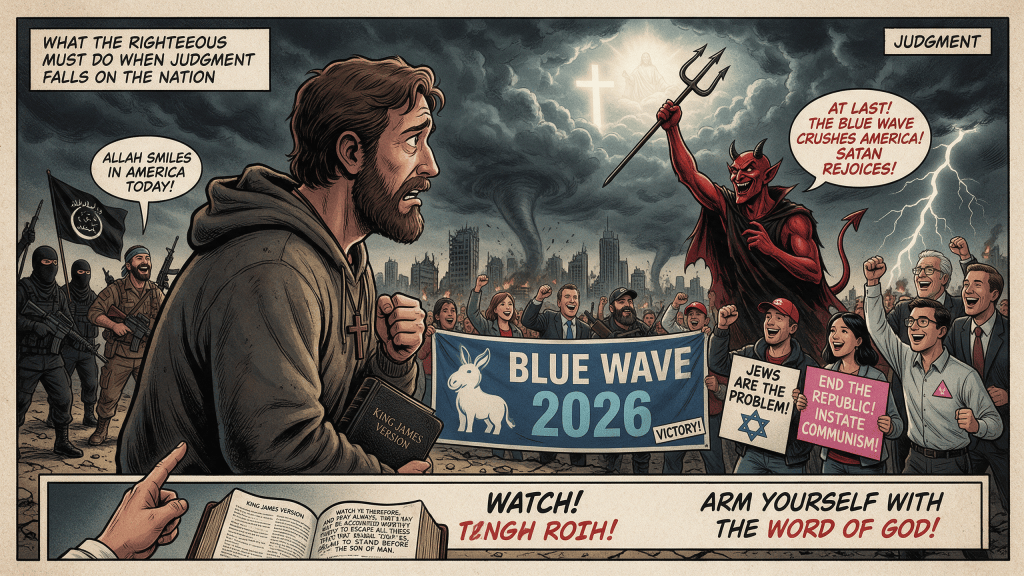
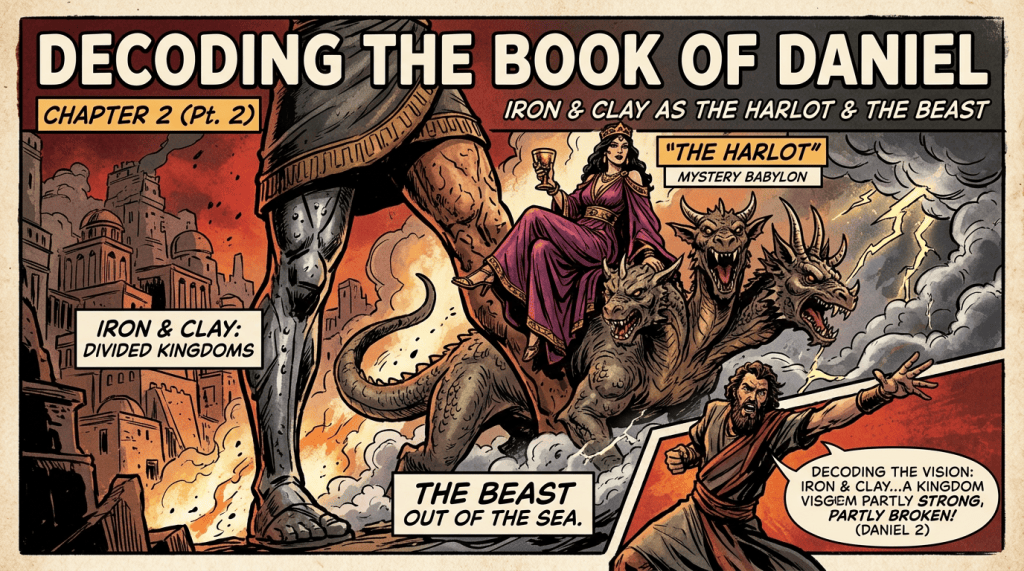
Their revolutionary energy and demand for the dissolution of the Jewish state further align with the hostility the prophets attribute to the final Gentile powers. The hybrid is not yet the completed beast of Revelation 13, but the components—Christ-denying religious architecture, coercive economic control, and directed animosity toward the covenant people—match the biblical description with unusual completeness. Daniel’s fourth beast is diverse and devours the whole earth; the present convergence supplies both the diversity and the global rhetoric.
Right-wing Jew-hatred is no less an abomination. It does not become acceptable because it sometimes opposes the left. Scripture identifies the Jewish people as the recipients of the covenants, the giving of the law, the service of God, and the promises (Romans 9:4–5). The Messiah came through them according to the flesh. Hatred of them is hatred of the people God chose to bring forth the Redeemer. It is spiritual wickedness, not discernment. The righteous reject it without qualification, just as they reject the denial of the Son and the inversion of the created order.
Under these conditions, the righteous are not called to restore the nation by their own power or to flee as if the whole land were not under judgment. They are called to the posture Scripture has always required of the remnant.
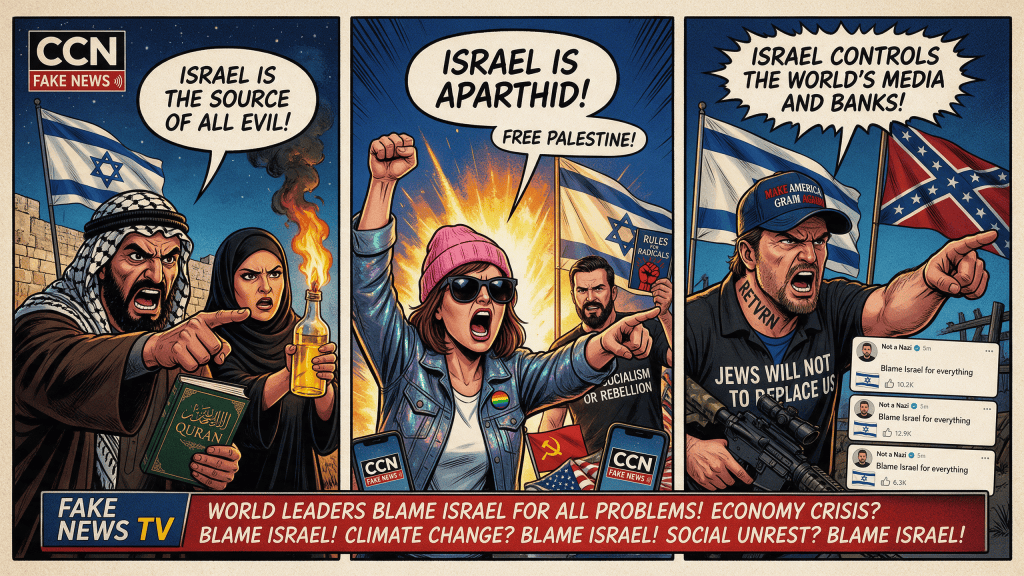
They must humble themselves and turn from their own wicked ways. Judgment begins at the house of God (1 Peter 4:17). The promise of 2 Chronicles 7:14 is addressed to “my people, which are called by my name.” Personal repentance and the forsaking of compromise come first. Those who sigh and cry for the abominations done in the land are the ones marked for preservation in Ezekiel 9. The righteous do not excuse their own sins because the surrounding culture is worse.
They must pray and intercede. The command to pray for kings and all in authority remains (1 Timothy 2:1–2). Abraham interceded for Sodom. The prophets stood in the breach. Under the approaching tribulation the same duty continues. The just live by faith (Habakkuk 2:4), not by the temporary triumph of the wicked. They seek the peace of the place where God has set them and pray for it, knowing that any peace granted is temporary (Jeremiah 29:7).They must refuse the demands of the system.
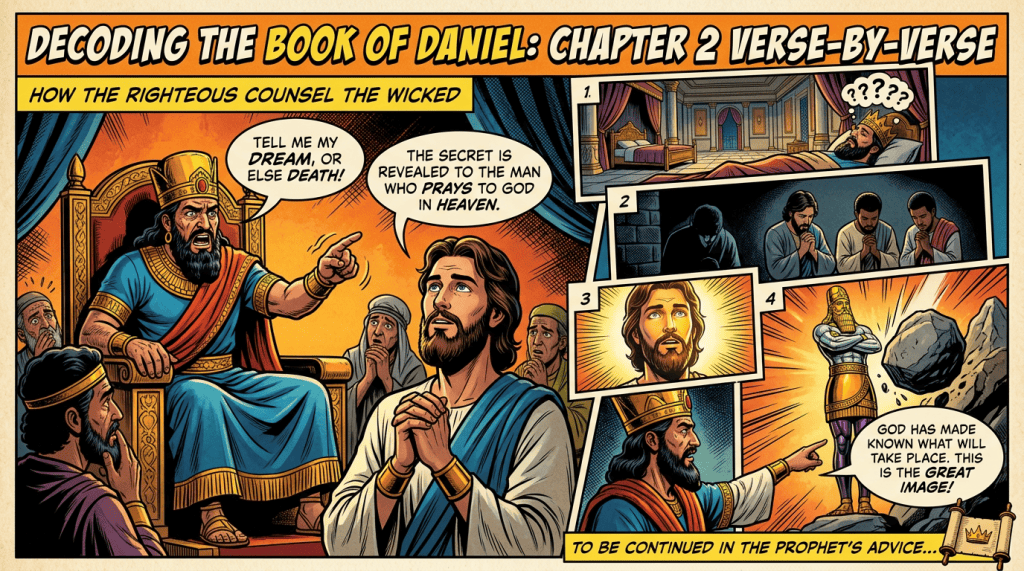
When God raises an instrument of judgment, Scripture does not authorize either armed rebellion or assimilation. Jeremiah told Judah not to resist Nebuchadnezzar, yet Daniel and his companions refused the image and continued to pray. In the tribulation the line will be drawn at the mark and the worship of the beast or its image (Revelation 13:15–17; 14:9–12). Those who refuse face death for their testimony, yet they overcome by the blood of the Lamb and the word of their testimony (Revelation 12:11). With the tribulation potentially around the corner, the righteous must settle that economic exclusion is the price of faithfulness. They will not take a mark, affirm a denial of the Son, or participate in the destruction of the moral order to preserve comfort.

They must prepare. Spiritually this means remaining in the Scriptures that make one wise unto salvation (2 Timothy 3:14–17), putting on the whole armor of God (Ephesians 6), watching so as not to be deceived by signs and changed laws (Matthew 24:4–5; 2 Thessalonians 2), and strengthening the remnant that has not bowed the knee (Romans 11:4–5).
Practically it means wise stewardship. Joseph stored in the years of plenty against famine (Genesis 41). The ant prepares in summer (Proverbs 6:6–8). The righteous reduce debt, continue diligent labor, secure basic necessities against scarcity and exclusion, and refuse entanglement with systems that may later demand compromise. They do not trust in uncertain riches (1 Timothy 6:17). Stores of goods are useless if one takes the mark to keep them. God knows how to deliver the godly (2 Peter 2:9).They must endure.
The fourth beast and the little horn are crushed; the stone cut without hands fills the earth (Daniel 2:44–45; Revelation 19). Even if the fig tree does not blossom and the fields yield no food, the righteous rejoice in the Lord, the God of their salvation (Habakkuk 3:17–19). The rapture, if it occurs within the year, removes the church before the full wrath. Those who must stand through whatever portion of tribulation falls upon them are still commanded to live by faith and to hold fast the testimony of Jesus.
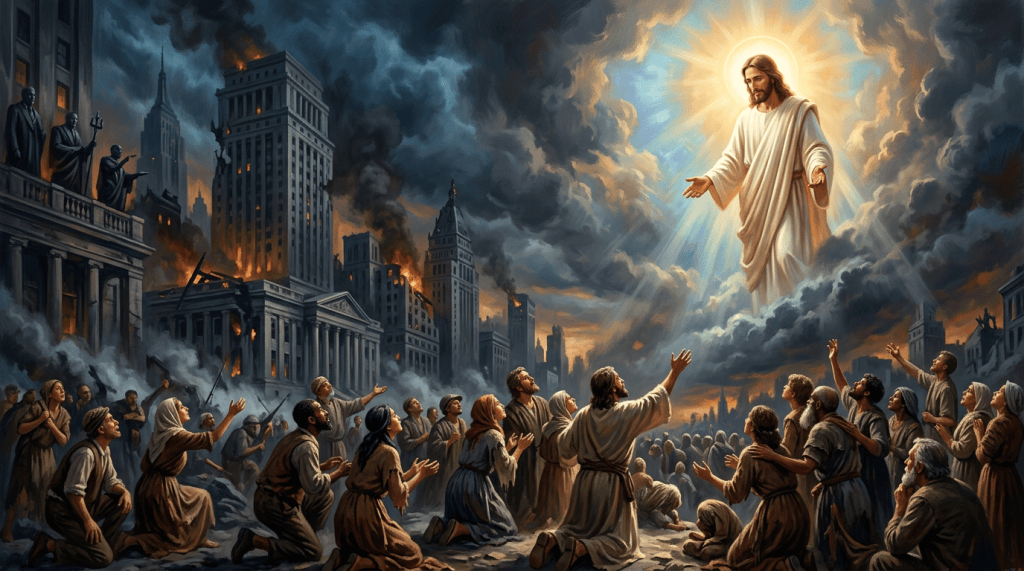
The election of 2026 revealed the progress of judgment. Political Islam’s denial of the Son, the moral and economic program of communism, and right-wing Jew-hatred are not unrelated. They are expressions of the spirit that opposes Christ, inverts the covenants, and makes war with the saints. The righteous who remain in the land are called to humble themselves, to pray, to seek righteousness and meekness, to refuse every form of compromise, to strengthen one another, and to live by faith until the indignation is overpast. That is the work of the remnant. It has always been enough.


Leave a Reply