
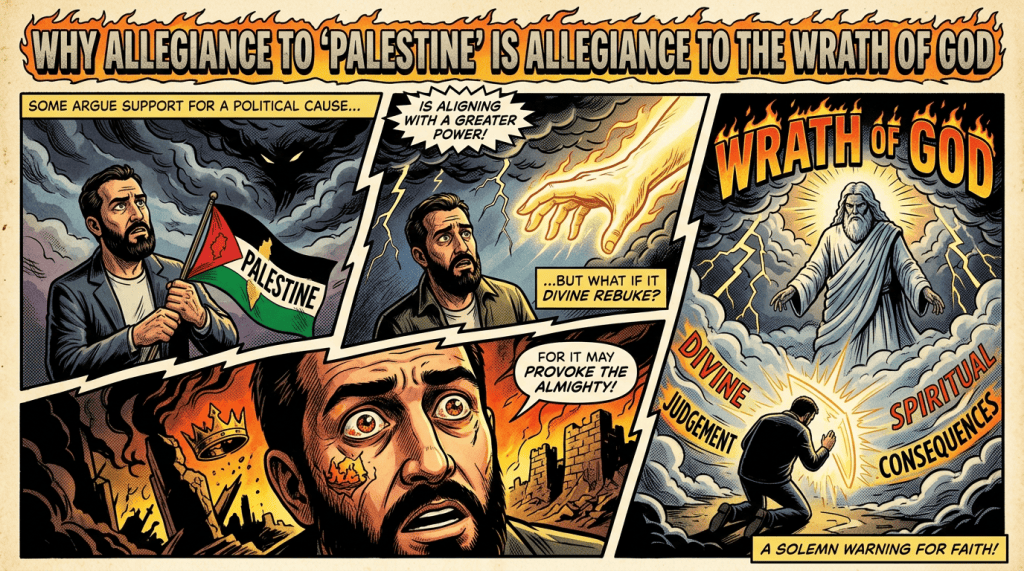
The territory modern politics labels Palestine was, in the biblical account, the narrow coastal domain of the Philistines.
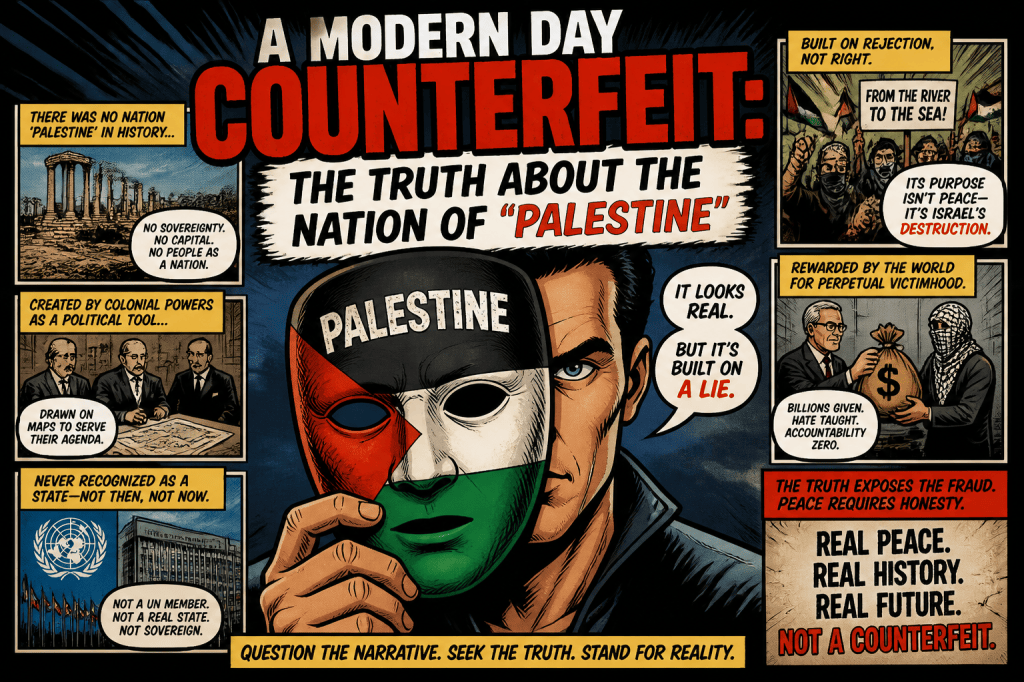
These people arrived from Caphtor, not from the line of Abraham. Genesis 10 traces them through Mizraim; Amos 9 and Jeremiah 47 confirm the origin. They displaced earlier inhabitants and established the cities of Gaza, Ashkelon, Ashdod, Ekron, and Gath. The King James Version reserves the names Palestina and Palestine for this sea-coast strip alone. Exodus 15:14, Isaiah 14:29 and 31, and Joel 3:4 use the term for the Philistine plain, never for the broader land of Canaan.
That broader land was granted by covenant to Abraham and his seed through Isaac. After Ishmael’s birth, Genesis 17:19–21 records the explicit distinction: Sarah will bear Isaac, “and I will establish my covenant with him for an everlasting covenant, and with his seed after him.” Ishmael is blessed with nationhood; the covenant and the land pass through Isaac and then Jacob. Psalm 105 later calls the arrangement everlasting. The Philistines appear throughout the historical books as enemies, not heirs. By the time of the prophets they are a remnant slated for destruction, not future owners of Judah’s territory.
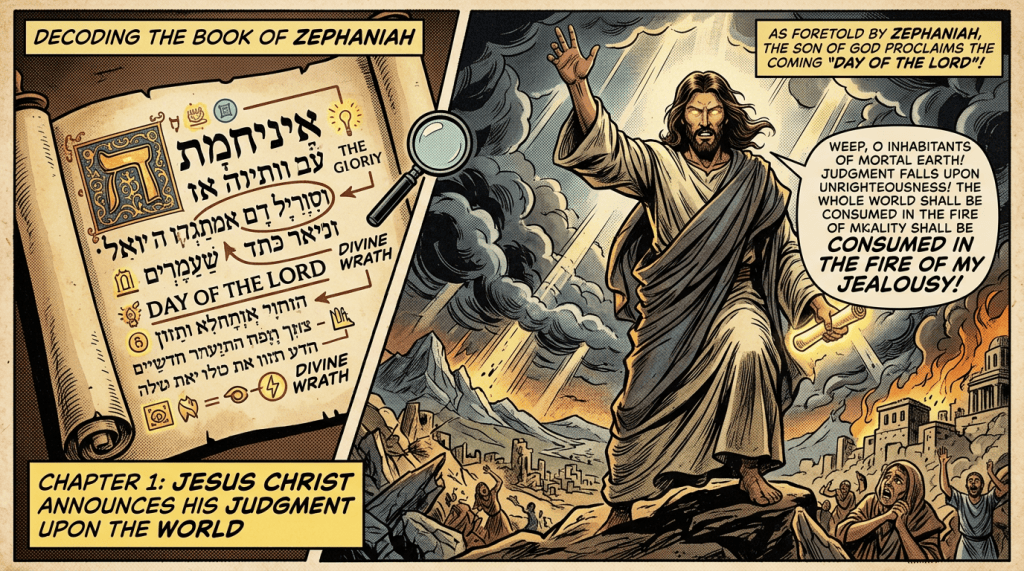
Those prophets name the coastal cities and the land of the Philistines for comprehensive judgment. Zephaniah 2:4–5 states that Gaza shall be forsaken, Ashkelon a desolation, Ashdod driven out at noon, and Ekron rooted up. The word of the Lord is against the inhabitants of the sea coast, the nation of the Cherethites: “O Canaan, the land of the Philistines, I will even destroy thee, that there shall be no inhabitant.”
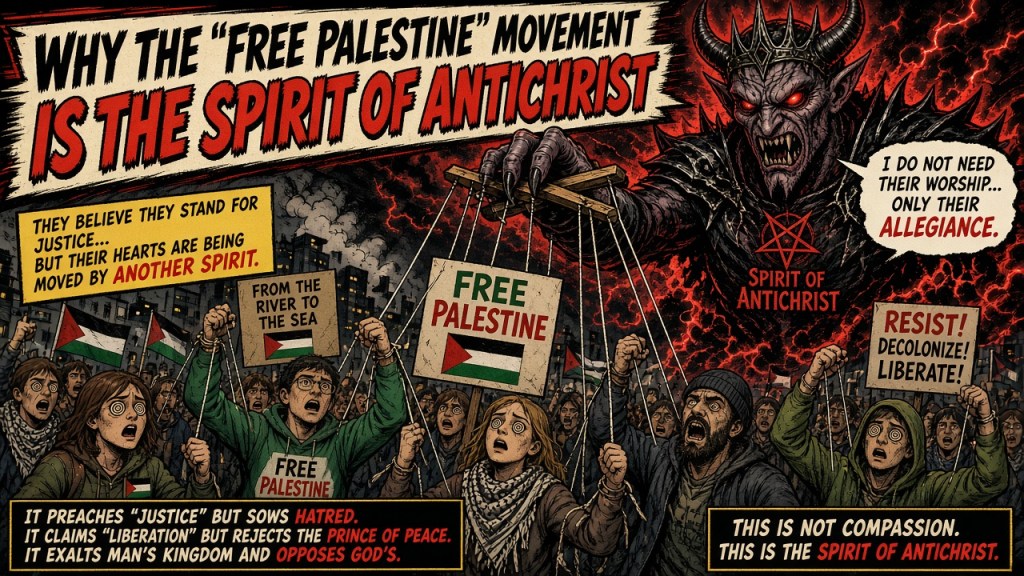
Zechariah 9:5–6 declares the king shall perish from Gaza and Ashkelon shall not be inhabited; the pride of the Philistines is cut off. Amos 1:6–8 sends fire on Gaza’s wall and states that the remnant of the Philistines shall perish. Jeremiah 47, Isaiah 14, and Ezekiel 25 repeat the pattern of spoiling, cutting off, and great vengeance. Afterward the coast is assigned to the remnant of the house of Judah, who shall feed there and lie down in the houses of Ashkelon when the Lord turns their captivity.
These oracles belong to the day of the Lord’s anger. Zephaniah 2 calls the meek to seek the Lord before that day. Revelation 6:17 calls it the great day of his wrath. In that chapter the Lamb releases four horsemen as agents of judgment. The white horse goes forth conquering. The red horse takes peace from the earth so that men kill one another. The black horse brings the balances of famine. The pale horse carries Death, with Hell following, and power over a fourth of the earth to kill with sword, hunger, death, and beasts.
The Greek word for pale is chloros, used elsewhere for green grass and green vegetation. The four colors are white, red, black, and greenish. Zechariah 6 shows four chariots—red, black, white, and grisled—as the four spirits of the heavens going forth from before the Lord to execute judgment.
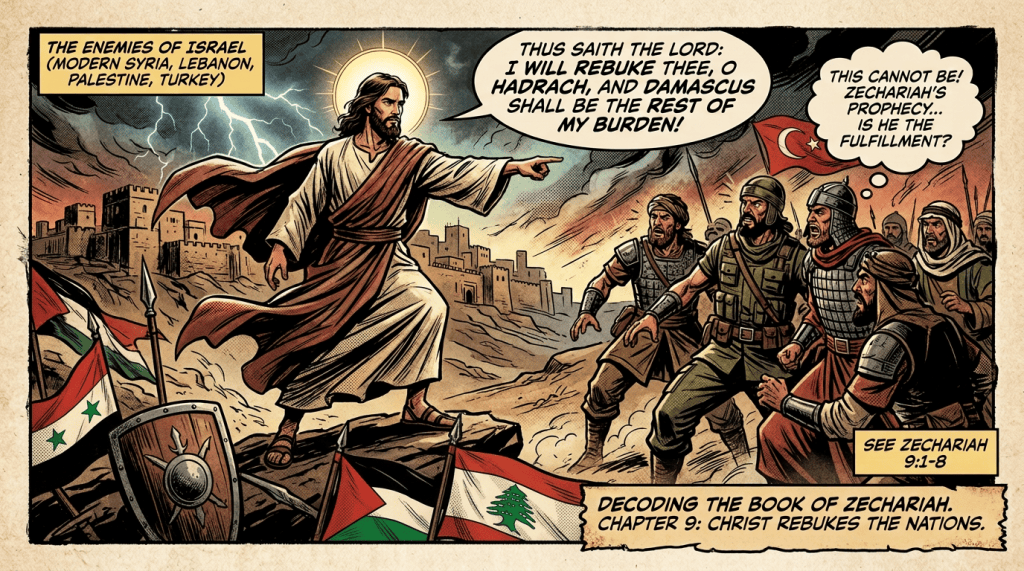
The flag of the modern entity that claims the name Palestine uses black, white, green, and red. Once chloros is read in its established biblical sense, the flag matches the horsemen of Revelation 6. The same colors appear across other flags of Arab and Islamic political movements. The biblical texts assign those colors to the agents of wrath and assign the Philistine coast to desolation. Those who identify their political project with the name Palestine and with the cities of Gaza and Ashkelon are identifying with the geographic entity the texts place under judgment.
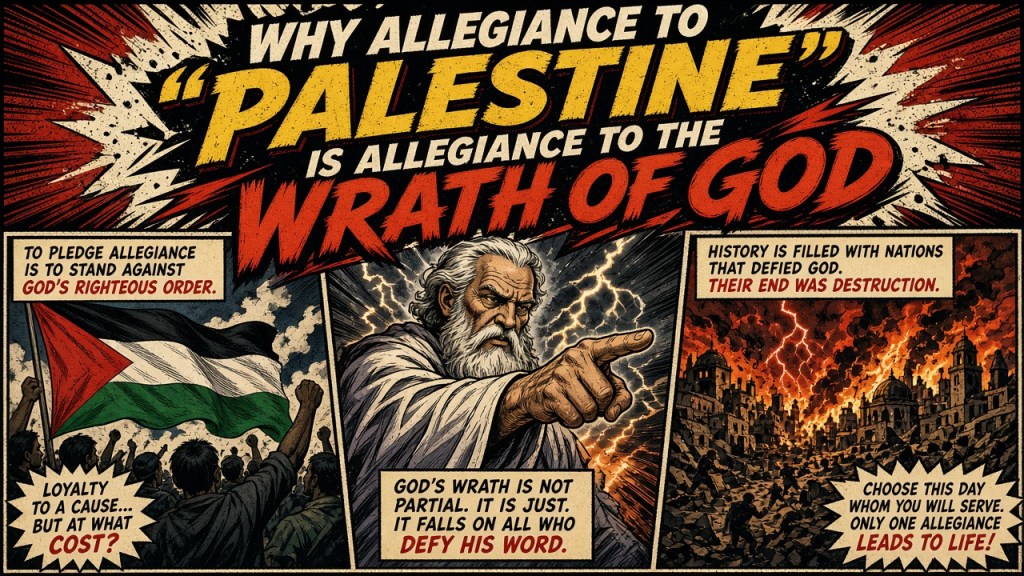
Those who adopt the flag are adopting the color markers of the horsemen released in the day of that judgment.
Those who side with this claim against Israel are therefore siding with the coastal entity the prophets place under the word of the Lord against it, against the remnant of Judah to whom the coast is later given. The practical documents of the organized movement make the alignment plain. Hamas’s 1988 Covenant stated that Israel would exist until Islam obliterated it and framed the land as an Islamic endowment that cannot be bargained away.
Later statements retained the territorial demand from the river to the sea and the refusal to recognize any Jewish state. Palestinian Islamic Jihad has rejected any compromise short of Israel’s destruction. Leaders have described October 7 as something to be repeated until Israel is annihilated. Western institutions have translated these positions into the vocabulary of human rights and decolonization while rarely quoting the Arabic-language charters or the public calls for the slaughter of Jews.
This translation is the work of progressive institutions—university departments, certain NGOs, segments of the press—that treat Jewish particularity as illegitimate while treating other particularities as sacred.
Qatar and Iran supply funding, media projects, weapons, and strategic direction. The result is a feedback loop in which eliminationist goals are repackaged as liberal concern and then cited as evidence that the goals must be reasonable. Conservatives who have long viewed Israel as a democratic ally sharing civilizational interests, and who take the biblical covenant texts at face value, see the pattern differently.
They note that the New Testament defines the spirit of antichrist as the denial that Jesus is the Christ come in the flesh. Islamic sources invert the biblical account of the crucifixion and the covenant line through Isaac. The Western movement that advances the practical outcome of that inversion, while declining to distinguish itself from groups whose charters treat the conflict as religious jihad, fits the Johannine description of substitution and deception.
The texts do not require a conspiracy. They describe nations and cities by their dominant posture. When the groups that control territory and conduct the majority of attacks maintain documents that treat the Jewish state as temporary, and when Western advocates adopt the same territorial framing, the practical effect is the promotion of a project whose stated end, in the words of its principal armed representatives, is the end of Israel. Those who continue to treat the movement as a straightforward human-rights cause are participating in the substitution of one account of reality for another. The remnant of Judah is promised the coast. The land of the Philistines is promised no inhabitant. The colors that mark the agents who carry out that distinction now fly over the political claim that seeks to reverse it.
Siding with the modern claim that bears the ancient name of the Philistine coast, and that flies the colors of the horsemen of wrath, is siding with the entity the prophets place under judgment against the remnant to whom the land is ultimately assigned. The everlasting covenant stands as written. The oracles of desolation stand as written. The colors of the judgment agents stand as written. Those who choose the name, the territory, and the flag are choosing the side the texts have already identified.


Leave a Reply