

A lot has changed in the seven years since ‘A Simple Favor’ mildly intrigued audiences in 2018. Chief among them? The spectacular downfall of Blake Lively’s career.
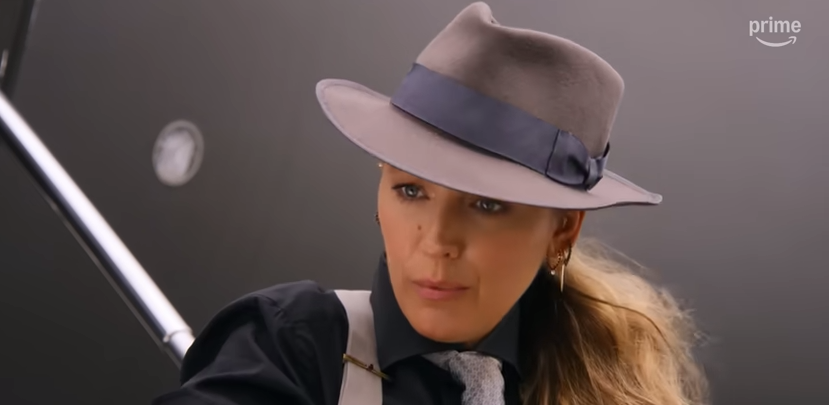
Back then, the film introduced us to Stephanie Smothers (Anna Kendrick), an overly obsessive single mom whose life unravels after befriending the enigmatic Emily Nelson (Blake Lively). When Emily vanishes, Stephanie’s amateur sleuthing reveals a web of lies, forcing her to confront the fact that her “best friend” is a sociopathic master of deception—and that her own suburban idyll was a fragile illusion.
The original was a modest box-office hit, blending campy mystery with dark humor, but it didn’t exactly scream “franchise material.” In the years since, director Paul Feig has spent more time griping about the backlash to his 2016 Ghostbusters reboot than crafting worthy follow-ups. Anna Kendrick churned out a couple more Pitch Perfect sequels and then vanished into rom-com obscurity. And then there’s the curious case of Blake Lively, whose once-gleaming reputation has crumbled like a house of cards in a hurricane.
Lively took a pandemic hiatus to prioritize family—a noble choice, in theory—but the break exposed cracks in her public persona. Whispers of her being difficult on set turned into a roar during the production of It Ends With Us (2024), where she clashed spectacularly with director/co-star Justin Baldoni. The film was a commercial success, grossing over $350 million worldwide, but behind the scenes, it devolved into a toxic nightmare.

Lively accused Baldoni of sexual harassment, retaliation, and orchestrating a smear campaign against her, filing a California Civil Rights Department complaint and a lawsuit in December 2024. Baldoni fired back in January 2025 with a $400 million defamation and extortion countersuit against Lively, her husband Ryan Reynolds, and her publicist Leslie Sloane, claiming she tried to seize creative control and “tar and feather” him in the press.
By mid-2025, the saga had escalated: Lively amended her complaint to include more of Baldoni’s associates, a judge dismissed parts of his suit under California’s anti-SLAPP law protecting harassment accusers, and Baldoni even subpoenaed Taylor Swift (citing her song in the film) before she was excused from deposition.
Lively’s desperate PR pivots—doubling down on victimhood while launching a beauty line that flopped—only amplified the damage, alienating her core female fanbase and painting her as Hollywood’s latest unlikable ice queen.
Right in the thick of this legal maelstrom, Lively wrapped Another Simple Favor, hoping to leverage the original’s cult appeal for a comeback. But with the elephant in the room—a nine-figure lawsuit dominating headlines—Amazon MGM Studios wisely (or cowardly) skipped theaters altogether. The sequel premiered quietly at SXSW on March 7, 2025, before dumping onto Prime Video on May 1, like yesterday’s trash no one asked for.
It’s a blink-and-you’ll-miss-it release strategy, banking on streaming’s short memory to muffle the thud. In Another Simple Favor, Stephanie receives an irresistible invite from her freshly paroled ex-pal Emily, who’s reinventing herself as a jet-setter marrying a wealthy Italian businessman in a lavish cliffside ceremony at Villa Adriana.
Eager to mend their fractured bond—and snag podcast fodder—Stephanie jets off with her son, plunging into a vortex of old-money intrigue, azure seas, and couture-fueled excess. Reunited amid yacht parties and champagne toasts, their razor-sharp banter crackles with mistrust. But as Emily’s bridal party bloats with shady guests—a brooding tycoon, a venomous socialite—whispers of infidelity and scandals erupt. Stephanie’s mom-sleuth instincts clash with the island’s seductive chaos, leading to a pile-up of bodies and a conspiracy that spirals into absurdity.

The core problem with any sequel to an unneeded film is justifying the resurrection. Paul Feig’s answer? A convoluted clump of mafia-tinged chaos stretched over two-plus hours, complete with incestuous undertones (yes, really) and gay plot twists that feel recycled from a bad Gone Girl fanfic.
The original thrived by honoring its mystery roots, letting the comedy emerge organically from the tension. Here, Feig force-feeds the laughs, convinced Kendrick and Lively’s duo is funnier than it is. New characters—a parade of caricatured Italians and scheming elites—drag the energy down, turning what should be taut suspense into a slog of unfunny side quests.
When the film deigns to play mystery, it fumbles spectacularly. The twists lack bite because they’re reheated leftovers from the first movie; you’ll only be shocked if you’ve forgotten the original or avoided rewatches for seven years. Worse, the big reveal is so dumb and nonsensical it grinds the third act to a halt, like a car careening off an overpass into a ravine of bad decisions.

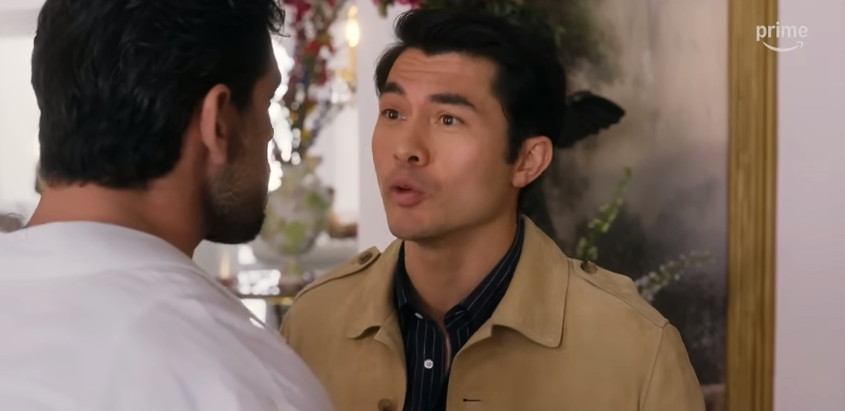
Henry Golding reprises his role as Emily’s hapless husband, but it’s pure mockery—reducing him to a punchline as if he were the villain of the original, which he wasn’t. The pacing craters, leaving you with the nagging sense that this entire Italian escapade was a vanity project masquerading as entertainment.
The one silver lining? It’s a glossy cinematic vacation to Capri’s sun-drenched shores, with stunning visuals and wardrobe that scream “old Hollywood glamour.” Legal woes aside, though, the film’s biggest sin is its tone-deaf core: It wants us to root for a sociopathic narcissist (Emily) and a woman whose backstory flirts with familial taboos, all while pretending they’re relatable gal-pals.
If Lively hoped this would distract from her It Ends With Us implosion—where she’s accused of bullying her way to control while crying foul on harassment—she miscalculated. The script doesn’t give her enough bite to overshadow the headlines; instead, it amplifies her on-screen frostiness, making every quip feel like damage control.

Another Simple Favor joins the sad basket of sequels that didn’t need to exist—pretty to look at, painful to endure, and ultimately forgettable. In a post-It Ends With Us world, it’s less a triumphant return than a desperate Hail Mary that misses the mark entirely.
1.5/5



 Society Reviews
Leave a comment