
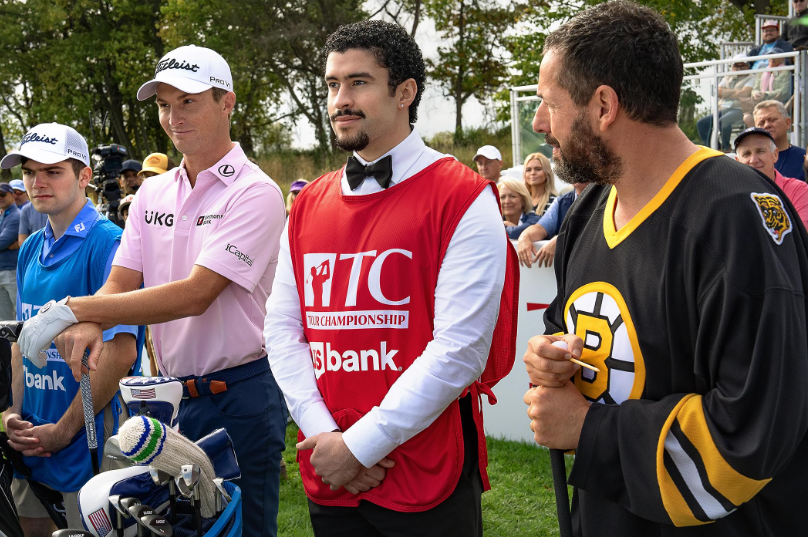
I’ve tried to give Adam Sandler the benefit of the doubt when it comes to his rocky reputation among mainstream critics, but there comes a point where reality slaps you in the face.
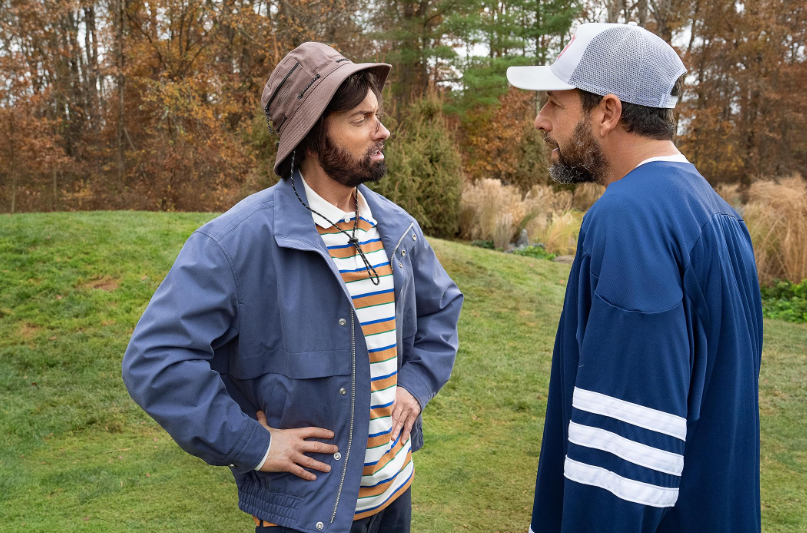
For years, Sandler’s been raking in millions from Sony to churn out low-effort movies that feel like excuses to vacation in tropical locales with his buddies, each netting him at least $20 million. Fast forward to 2025, and the only change is the paymaster: Netflix now foots the bill.
Everything else—lazy scripts, half-baked premises, and Sandler’s smirking self-awareness—remains painfully the same. When Hollywood decides to sequelize or remake a genuinely good film, it’s usually a recipe for disaster. So when Sandler announced Happy Gilmore 2, a follow-up to one of the few films in his catalog that fans actually cherish, skepticism was an understatement.
Three minutes into this sequel, that skepticism turned to collective regret. Happy Gilmore 2 picks up right after the original, with Happy now a world-famous PGA Tour golfer swimming in wealth. But in a jaw-dropping opening sequence, his iconic swing accidentally kills his wife, Virginia (Julie Bowen), sending his life into a tailspin.
Happy loses his fame, fortune, and home, crashing back to the loser status of 1995. His adult daughter’s dream of attending ballet school forces him to scrape together cash, pushing him to return to the golf tour and reclaim his legacy. Complicating matters, a new rival golf league threatens the PGA, and Happy must navigate its politics to revive his reputation.

Yes, you read that right: Julie Bowen’s character is killed off in the first three minutes because the writers couldn’t find any other way to justify this sequel’s existence. The original Happy Gilmore ended with Happy triumphant, so Happy Gilmore 2 lazily recycles the same underdog arc by stripping him of everything.
This contrived reset—making Happy a desperate loser again—feels like a creative cop-out, with modern updates sprinkled in to mask the lack of effort. It’s storytelling so uninspired it borders on insulting.With key original cast members like Carl Weathers no longer with us, Happy Gilmore 2 leans hard on celebrity cameos to distract from its paper-thin plot and poor decisions.
Names like AEW wrestler MJF, Becky Lynch, Eminem, and Kelsey Plum pop up for no reason other than cheap pops, as if the filmmakers think name-dropping will trick audiences into having fun. Spoiler: it doesn’t. The film is a hollow shell of its predecessor, tarnishing the goodwill Sandler earned from recent gems like Uncut Gems and Hustle.
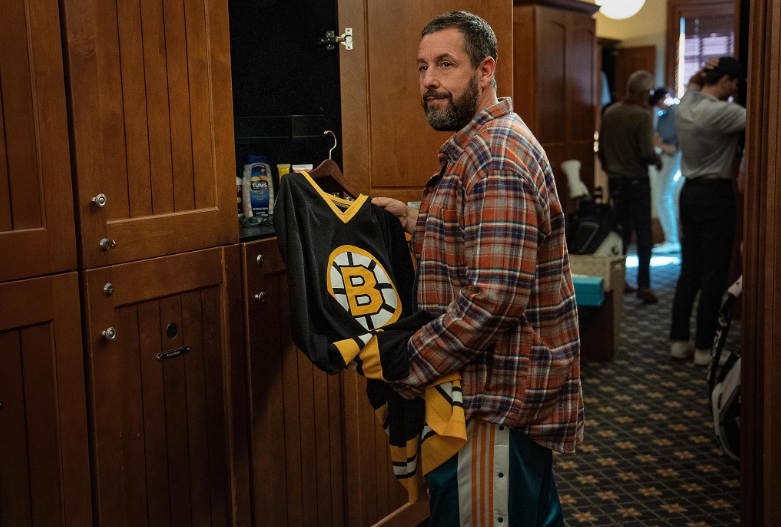
This is Sandler at his worst—phoning it in with a smirk, knowing Netflix will pay regardless. What’s worse, Happy Gilmore 2 is a streaming release, not a theatrical one. This is a blessing in disguise, as viewers can abandon it early without feeling fleeced for a theater ticket.
The film feels like a straight-to-DVD relic you’d find in a Blockbuster bargain bin, unaware it even existed. I’d rather endure Tremors 2 than sit through this travesty again. The script is a mess, the humor falls flat, and the emotional beats—especially Happy’s grief over his wife’s death—are so poorly handled they feel like an afterthought.
Even the golf sequences, the heart of the original, lack the chaotic charm that made Happy’s antics iconic. The tragedy of Happy Gilmore 2 is its betrayal of a beloved classic. Fans wanted a sequel that honored the original’s irreverent spirit, not a lazy cash grab that disrespects its legacy.

Sandler’s Netflix deal has enabled his worst impulses, producing content that prioritizes his comfort over audience satisfaction. The film’s one redeeming quality is its brevity—mercifully short enough to limit the pain. But that’s faint praise for a movie that never should have been made. If you’re nostalgic for Happy Gilmore, rewatch the original and pretend this sequel doesn’t exist. Your sanity will thank you.
1/5



 Society Reviews
Leave a comment