
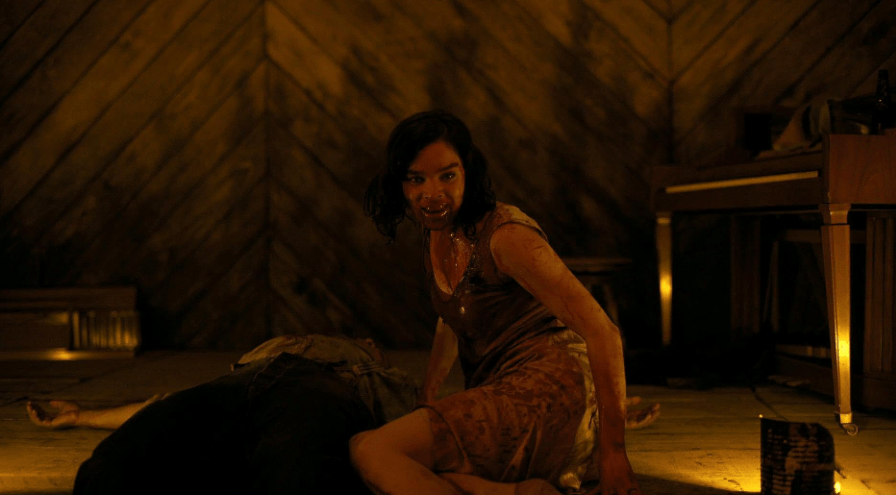
In 2025, it feels like every year brings a film that audiences are pressured to praise, not for its quality but to signal solidarity with a particular race or demographic.
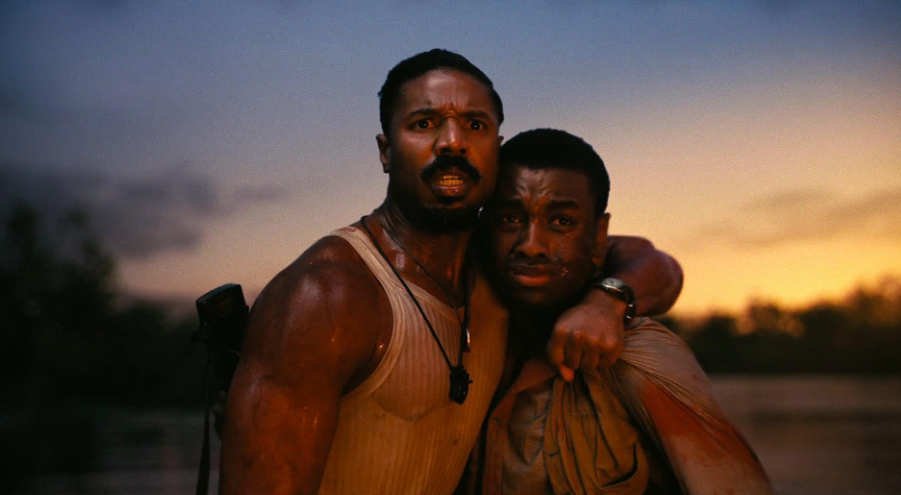
This mindset is toxic for film criticism. Many mainstream critics, paralyzed by fear of being labeled unsupportive, hesitate to call a flawed product what it is. For filmmakers, though, this is a golden opportunity: release a mediocre, genre-blending movie, and watch critics, swayed by social pressures, transform it into Oscar bait. Enter Sinners, a film that epitomizes this phenomenon.
Directed by Ryan Coogler, one of Hollywood’s darlings whose every project is hailed as gold, and starring Michael B. Jordan, a rising star over the past decade, Sinners pairs this dynamic duo in a curious mash-up: vampires meet the Jim Crow South. Set in 1930s Mississippi—because, of course, it is—the film follows identical twins, both played by Jordan, who return to their hometown after working for the Chicago mob.
After ripping off their bosses and framing a rival gang, they use the stolen cash to open a juke joint serving the Black community. The brothers purchase the property from local KKK members, a bold move that sets the stage for their grand opening, where they invite the entire Black community. Unbeknownst to them, a growing threat of white vampires stalks the land, poised to turn their celebratory night into a blood-soaked nightmare.
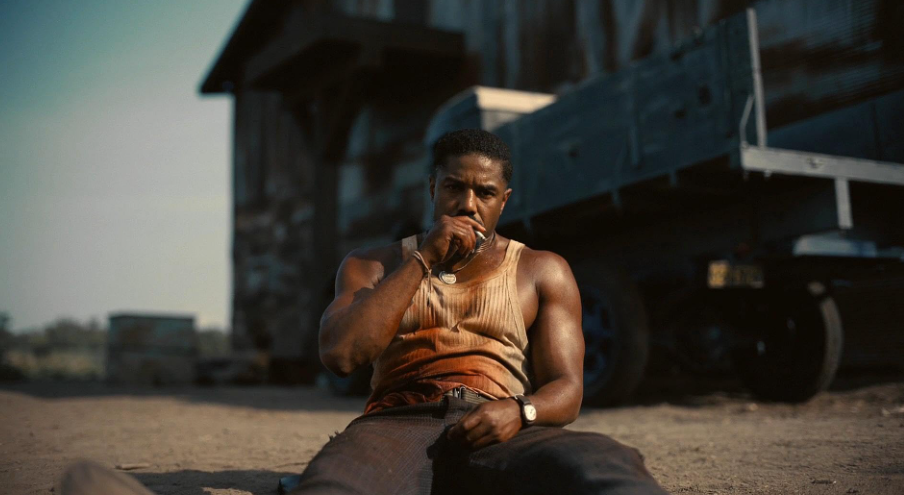
On paper, this premise promises a thrilling blend of historical drama and supernatural horror. In execution, however, Sinners falters, delivering a disjointed experience that fails to live up to its potential.
Let’s be clear: Sinners isn’t a bad movie, but it’s one that makes little sense. Had it focused solely on the brothers’ mob dealings and the challenges of running a juke joint in the racially charged South, it could have been a compelling drama with a tight narrative. Instead, it’s marketed as a supernatural horror film about vampires, yet the vampire element doesn’t appear until nearly the two-hour mark.
This bait-and-switch approach undermines the story, rendering the supernatural thread pointless and disconnected from the first two-thirds of the film. The acting is a highlight. Michael B. Jordan delivers a commanding dual performance, and Hailee Steinfeld shines as a supporting character, anchoring the film with emotional depth.

The veteran cast elevates the material, but even their talent can’t salvage a story lacking cohesion. Sinners tries to juggle two narratives—racial tensions in 1930s America and a vampire horror tale—that have no business coexisting. The film’s heavy-handed references to racism aim to draw parallels to modern divisions, but the message feels forced and manipulative.
After resolving its main conflict, the movie drags on for an additional ten minutes with a tacked-on battle against the KKK, as if the filmmakers realized they needed to pander to audience expectations for a “satisfying” conclusion. Sinners is steeped in African paganism, witchcraft, and spiritual practices framed as a connection to African American heritage. While this could have been a rich exploration, it comes off as a deceptive attempt to exoticize Black culture for narrative flair.
Deception, in fact, is the film’s core theme—not just within the story but in how it’s presented. Marketed as a groundbreaking horror-drama, Sinners subverts expectations not through clever storytelling but by failing to deliver what was promised. Modern audiences, conditioned to celebrate “subversive” entertainment, may eat it up, but this approach feels like a betrayal of the film’s potential.
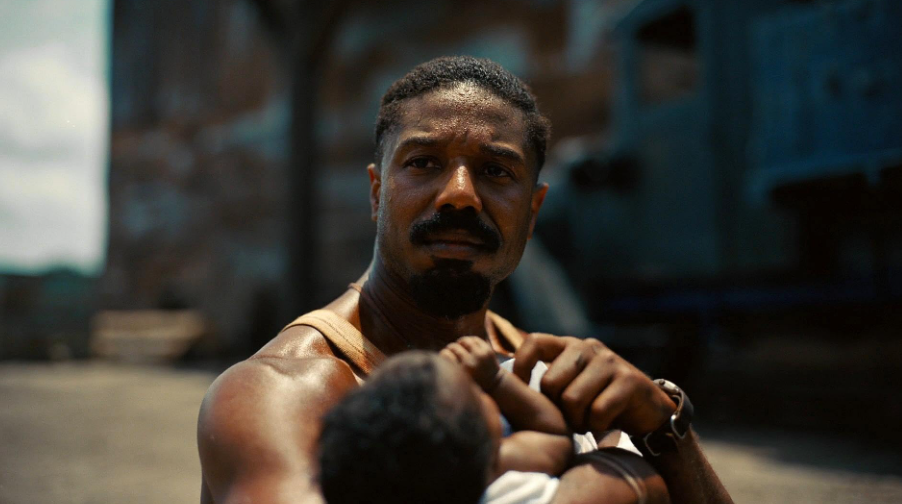
Sinners isn’t the disaster some might expect, nor is it the masterpiece social media’s echo chamber proclaims. The truth lies in the middle: it’s a film with strong performances and an intriguing premise undone by a muddled narrative and misplaced priorities.
Coogler’s ambition is evident, but the execution suggests a lack of focus, perhaps driven by the pressure to create a culturally significant statement rather than a cohesive story. In an era where critics shy away from honest critique to avoid backlash, Sinners benefits from inflated praise, but audiences deserve better than a film coasting on good intentions.
This isn’t to say Sinners lacks merit. Its production design vividly captures the 1930s South, and the chemistry between Jordan’s dual roles adds emotional weight to the brotherly dynamic. Yet, these strengths can’t overcome the film’s structural flaws or its reliance on tired tropes dressed up as profound commentary.

Sinners reflects a broader issue in Hollywood: when films are judged more for their social messaging than their artistic merit, storytelling suffers. For those seeking a thought-provoking drama or a chilling vampire tale, Sinners delivers neither fully, leaving viewers with a frustratingly uneven experience.
2/5
Don’t forget to Subscribe for Updates. Also, Follow Us at Society-Reviews, YouTube, Twitter, Odysee, Rumble, and Twitch



 Society Reviews
Leave a comment