
It’s no secret why so many people despise the financial sector: it’s hard to shake the feeling that the wealthy fund their lavish lifestyles through systemic fraud, leaving hardworking folks to bear the cost.
In the United States, Wall Street is public enemy number one, despite being the backbone of the nation’s economy. But this isn’t just an American problem. South Korea grapples with similar sentiments, rooted in memories of the 1997 Asian financial crisis, much like the U.S. recalls the 2008 collapse.
When fraud is practically legalized for the elite, what can ordinary people do? How far would you go to profit from morally questionable schemes? For some, no line is too sacred to cross, and that moral ambiguity drives the South Korean financial thriller Big Deal.
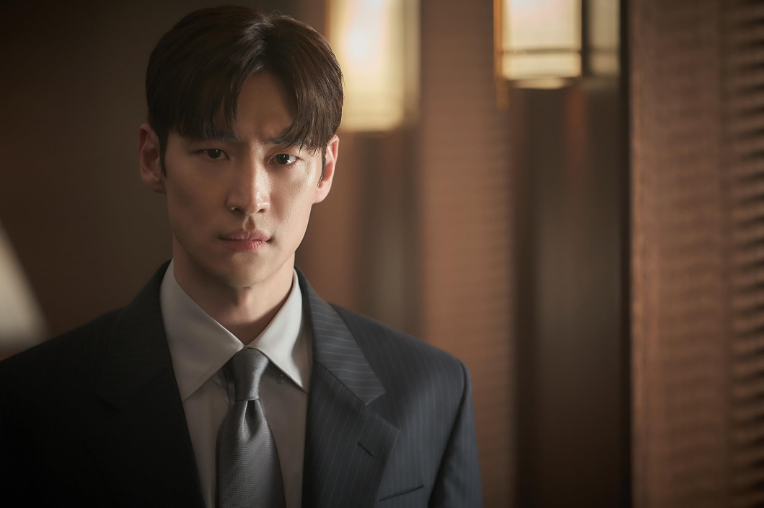
Set in the late 1990s, amid the fallout of South Korea’s economic meltdown, Big Deal follows the CFO of Gumbo, a renowned soju company teetering on the edge of financial ruin. Enter Choi In-beom, an ambitious employee from Solqueen, a global investment firm with predatory instincts.
Choi proposes an acquisition, but Solqueen’s real plan is to play both sides, manipulating Gumbo’s valuation to snatch it for pennies and flip it for billions. What unfolds is a corporate chess game with massive legal and personal stakes, threatening not only Gumbo’s legacy but also a budding friendship between Choi and a loyal company man.
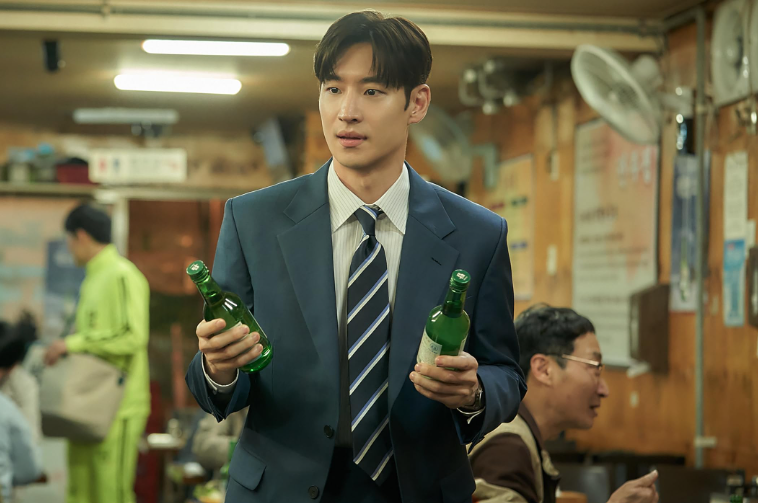
Inspired by the real-life acquisition of Jinro Soju by Hite, facilitated by Goldman Sachs in the late ’90s, Big Deal taps into a cultural nerve in South Korea. Soju, symbolized by those iconic green bottles ubiquitous in Korean dramas, is more than a drink—it’s a national institution.
The film’s strength lies in its human core, embodied by Yoo Hae-jin as Gumbo’s devoted CFO. His character sacrifices his marriage and relationship with his daughter to protect the company, only to face betrayal as Solqueen exploits his financial records to orchestrate the takeover. Yoo’s nuanced performance grounds the film, making the corporate machinations feel deeply personal.

Financial thrillers are a tough sell. They walk a tightrope between exposing uncomfortable truths and becoming soapboxes against a nation’s financial system—a critique that might resonate more with South Korea’s northern neighbors. Big Deal navigates this by posing a thorny question: If a company’s failure stems from incompetent leadership, is it wrong to profit from its downfall?
The film lays bare Gumbo’s mismanagement, painting its executives as architects of their own demise. Yet, it also invites skepticism, suggesting this portrayal might manipulate audiences into siding with Solqueen’s sharks. Without the human connection—Choi and the CFO’s unlikely bond—the takeover could seem justified, a cold calculus of corporate failure.
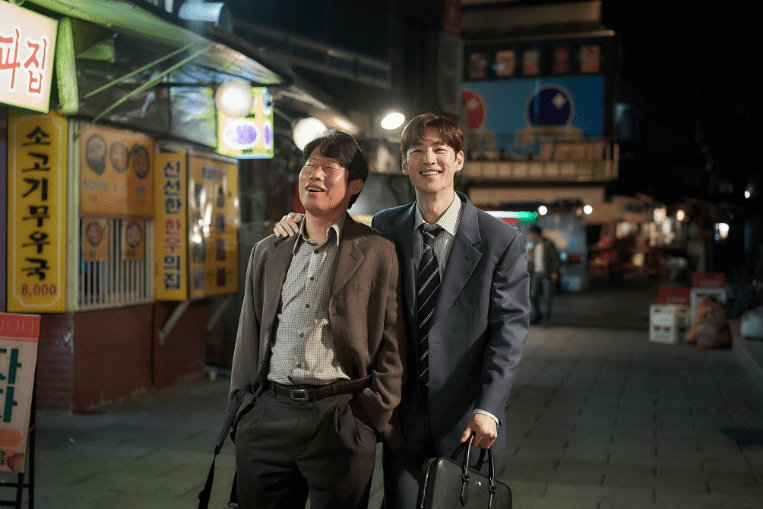
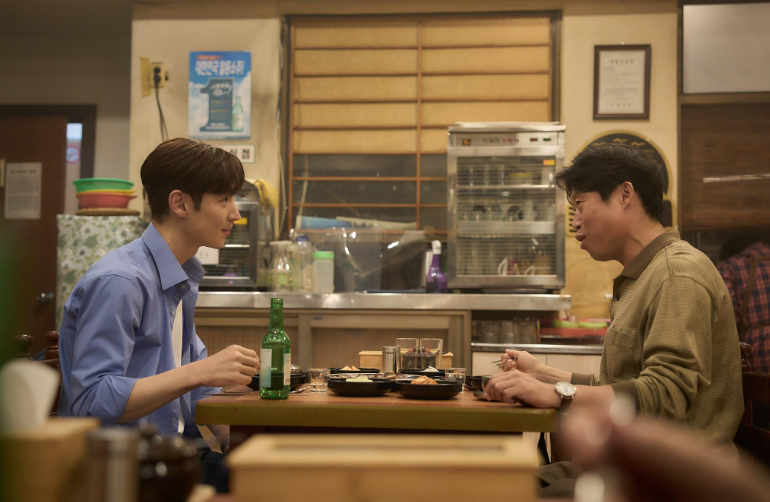
The film’s heart is the evolving relationship between two men on opposite sides of the deal. Choi, driven by ambition, and the CFO, clinging to loyalty, form a fragile friendship neither wants to sacrifice, even as their goals collide. This emotional tug-of-war elevates Big Deal above typical thrillers, forcing viewers to grapple with the moral grayness of profit versus principle. Do you pity a failing company, or exploit its weaknesses? The film doesn’t preach; it lets you wrestle with the answer.
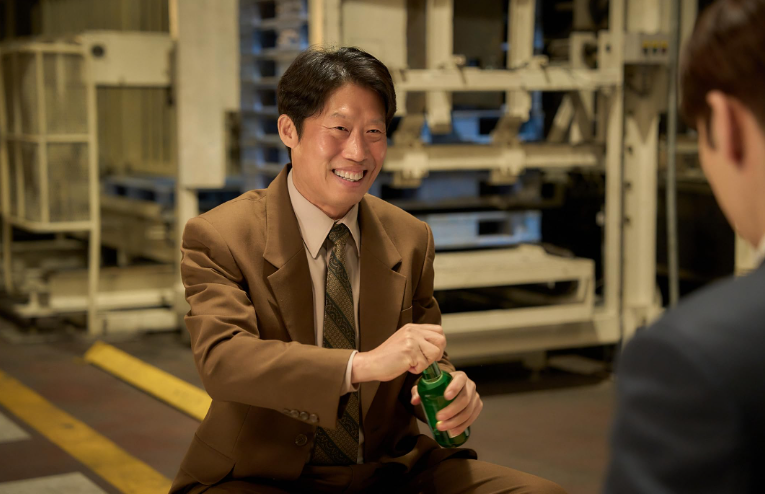
Yoo Hae-jin’s soulful performance, paired with a taut script, makes the corporate battles gripping, though the film isn’t flawless. Some subplots, like the CFO’s family drama, feel underdeveloped, hinting at cut scenes that could have added depth. The pacing occasionally lags during dense financial jargon, which might alienate viewers unfamiliar with corporate maneuvering.
Still, the cinematography—sleek boardrooms juxtaposed with gritty Seoul streets—captures the era’s tension, and the supporting cast, including rising star Kim Tae-ri as a cunning Solqueen analyst, adds spark. Big Deal isn’t a popcorn flick you’ll forget by next week. It’s a film that lingers, prompting reflection on greed, loyalty, and the cost of ambition.
Unlike disposable blockbusters, it balances entertainment with substance, offering a window into South Korea’s economic scars while exploring universal human conflicts. The friendship at its core—tested by a ruthless financial system—gives the story lasting weight.
In a genre prone to preaching, Big Deal finds equilibrium, delivering a narrative that challenges without alienating. It’s not perfect, but it’s a rare thriller that respects your intelligence and rewards repeat viewings.
3.5/5
Don’t forget to Subscribe for Updates. Also, Follow Us at Society-Reviews, YouTube, Twitter, Odysee, Rumble, and Twitch





 Society Reviews
Leave a comment