
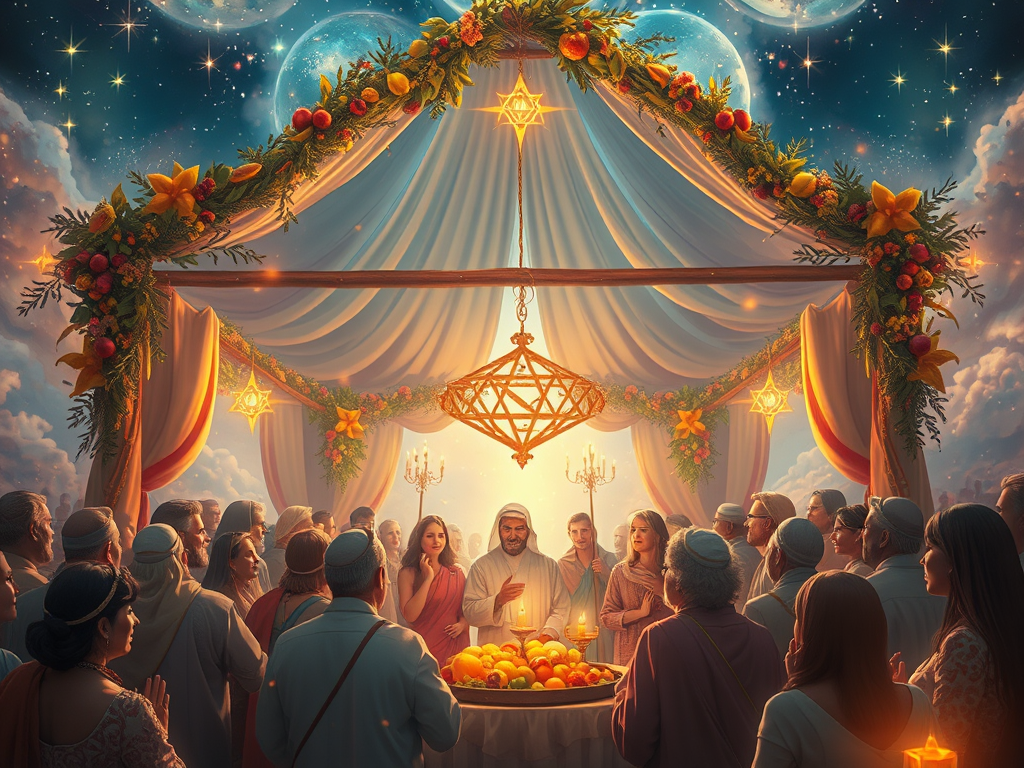
The Bible, interpreted literally and judged only by its own plain text, demands that the literal 1,000-year reign of Christ on earth begin on the first day of the Feast of Tabernacles (Sukkot, Tishri 15).

This is not a possibility among several options—it is a necessary conclusion when the following biblical facts are taken at face value and harmonized with the already-established divine pattern of the seven feasts.
1. Zechariah 14:16-19 – The Explicit Command
After describing the visible Second Coming (Zechariah 14:1-9), the Holy Ghost gives the clearest millennial passage in the Old Testament: “And it shall come to pass, that every one that is left of all the nations which came against Jerusalem shall even go up from year to year to worship the King, the LORD of hosts, and to keep the feast of tabernacles. And whosoever will not come up … even upon them shall be no rain.” (Zechariah 14:16-17)
- This is not an optional suggestion.
- It is a literal, annual, enforced commandment during the kingdom age.
- The very first year this law can be enforced is the first year of the millennium.
Therefore the 1,000-year reign must begin on or just before Tishri 15 so that the nations can obey the command in that inaugural year.
2. The Five-Day Interval After the Day of Atonement
- The visible Second Coming and Israel’s national cleansing occur on the Day of Atonement (Yom Kippur, Tishri 10) – Zechariah 12:10–13:1; Romans 11:26.
- The Feast of Tabernacles begins exactly five days later on Tishri 15 (Leviticus 23:34).
- Those five days allow for the judgment of the nations (Matthew 25:31-46), the burial of the dead (Ezekiel 39:12-16 begins), and the gathering of the survivors to Jerusalem—precisely the sequence required before the kingdom is officially inaugurated and the first Tabernacles of the millennium is celebrated.
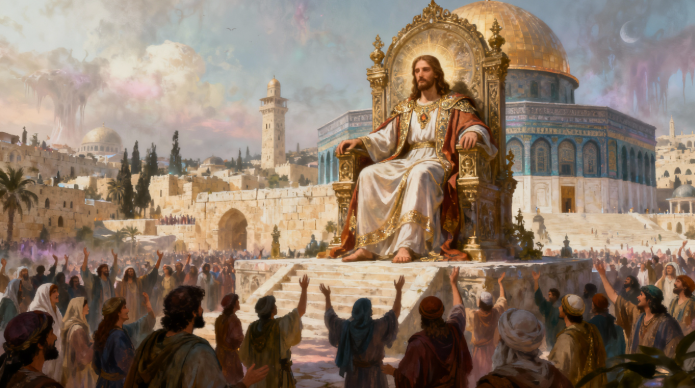
3. Thematic Perfection of Sukkot
- Name: “Tabernacles” = temporary dwellings → ultimate fulfillment when God Himself tabernacles with men on earth for 1,000 years (Ezekiel 37:26-28; Revelation 21:3).
- Joy: Called “the season of our rejoicing” – the only feast that perfectly matches the joy of the kingdom when “sorrow and sighing shall flee away” (Isaiah 35:10).
- Ingathering: The final harvest feast (Exodus 23:16) – fulfilled when the harvest of the earth is complete and Christ reigns over the nations.
4. Integration with the Entire Feast Pattern Spring feasts → fulfilled on the exact day in AD 33:
- Passover
- Unleavened Bread
- Firstfruits
- Pentecost
Fall feasts → must be fulfilled on the exact day in 2033:
5. Trumpets → Pre-tribulation rapture
6. Atonement → Tribulation begins (2026) and ends with Second Coming (2033)
7. Tabernacles → Millennial reign begins (2033 onward)Any other starting date for the kingdom would
- violate the literal command of Zechariah 14:16-19,
- break the five-day biblical interval between Yom Kippur and Sukkot,
- shatter the perfect symmetry God has already demonstrated in the first four feasts.
Conclusion
Under the consistent literal interpretation we have applied throughout (exact-day fulfillment of the LORD’s appointed feasts, 360-day prophetic years, pre-tribulation rapture, Yom Kippur Second Coming), the beginning of the 1,000-year reign of Jesus Christ must occur on the first day of the Feast of Tabernacles (Sukkot, Tishri 15)—with the first official celebration marking the inauguration of the kingdom in that year and every year thereafter.

Percent likelihood that the millennial reign must begin on the Feast of Tabernacles: 100 %. The Scripture cannot be broken (John 10:35).
Don’t forget to Subscribe for Updates. Also, Follow Us at Society-Reviews, YouTube, Twitter, Odysee, Rumble, and Twitch




 Society Reviews
Leave a comment