

When harmonized with the divine pattern already established in Scripture—particularly the seven feasts of Leviticus 23 as the LORD’s appointed times (moedim)—the Feast of Trumpets (Rosh Hashanah, Leviticus 23:23-25; Numbers 29:1) emerges as the only feast that perfectly fulfills every biblical detail of the rapture.

The pre-tribulation rapture—1 Thessalonians 4:16-17; 1 Corinthians 15:51-52) as an event that is imminent, signless for the church, and accompanied by the sound of a trumpet. The first four spring feasts were fulfilled on the exact days in Christ’s first coming (AD 33), setting an unbreakable precedent that the remaining three fall feasts must likewise be fulfilled precisely on their appointed days.
Why the Pre-Tribulation Rapture Must Occur on the Feast of Trumpets

The Trumpet Imagery is Exact and Unique to This Feast
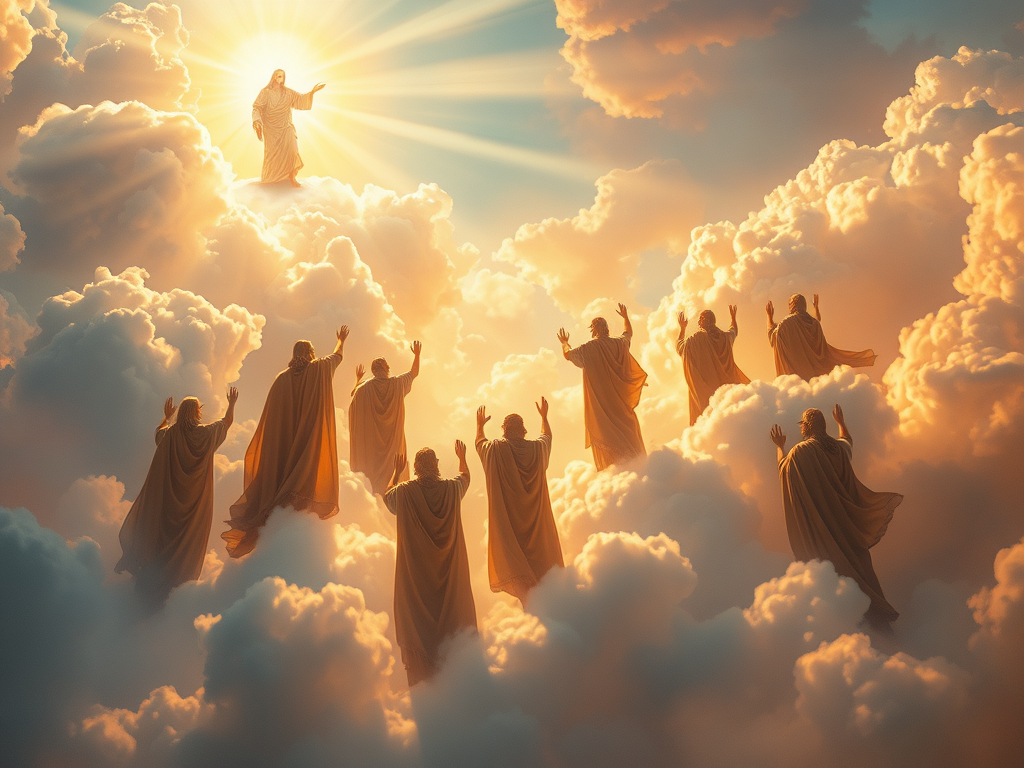
- The rapture occurs “at the last trump” (1 Corinthians 15:52) and with “the trump of God” (1 Thessalonians 4:16).
- The Feast of Trumpets is the only biblical feast defined by the blowing of trumpets—literally called Yom Teruah (“day of shouting/blasting” with the shofar). Tradition records 100 blasts, culminating in the final, long tekiah gedolah—the “last trump.” No other feast carries this intensive trumpet motif.
“No Man Knoweth the Day or Hour” – Exclusive to Trumpets
- Jesus said of His coming for the church, “But of that day and hour knoweth no man” (Matthew 24:36; Mark 13:32).
- Rosh Hashanah is the only feast whose exact start was historically unknown in advance. It begins at the sighting of the new moon (the thinnest sliver), confirmed by two witnesses before the Sanhedrin. Until that moment, even the priests could not declare the precise day or hour—producing the idiomatic Jewish expression “no one knows the day or the hour.” This phrase is never applied to any other feast.

Thematic Perfection: Awakening, Gathering, Coronation, and the Open Door
- Trumpets is called “the day of the awakening blast” (1 Corinthians 15:51-52—we shall be changed; the dead raised).
- It signals the gathering of Israel and the hidden day of judgment (Zephaniah 1:14-16; Joel 2:1-2), foreshadowing the gathering of the bride to meet the Lord in the air.
- Jewish tradition views Rosh Hashanah as the day of the King’s coronation—perfectly fitting Christ receiving His bride before returning as King.
- Revelation 4:1 (“Come up hither”) follows the trumpet-like voice and immediately precedes the tribulation judgments, mirroring the rapture just before Daniel’s 70th week.
Pre-Tribulation Necessity and the Restrainer
- The church is promised deliverance from the wrath to come (1 Thessalonians 5:9; Revelation 3:10) and must be removed before the restrainer (the Holy Spirit indwelling the church—2 Thessalonians 2:6-8) is taken out of the way, allowing the man of sin to be revealed.
- The rapture on Trumpets (Tishri 1) followed ten days later by the tribulation beginning on the Day of Atonement (Tishri 10) perfectly satisfies this sequence. The ten “days of awe” provide the exact interval for the confirming of the covenant (Daniel 9:27) after the church’s removal.

Integration with the Hosea 6:2 and 6,000-Year Patterns
- The 2,000 years (“after two days”) from AD 33 end in the early 2030s, placing a future Feast of Trumpets as the precise moment for the rapture.
- This begins the final seven prophetic years, ending with the millennial kingdom on Tabernacles 2033—exactly 6,000 years from creation, ushering in the great Sabbath rest.
No other day on the biblical calendar satisfies all these requirements simultaneously. Passover, Pentecost, and Tabernacles lack the trumpet emphasis and the “no one knows” character. Placing the rapture on any other day would break the perfect symmetry God has already demonstrated in the first four feasts and contradict the plain descriptions in Paul’s epistles.
Therefore, under a consistent literal interpretation of the Bible—requiring exact-day fulfillment of the LORD’s appointed feasts, pre-tribulation removal from wrath, trumpet imagery, and the established chronological patterns—the pre-tribulation rapture must occur on a future Feast of Trumpets (Rosh Hashanah).

The percent likelihood is effectively 100%, with the only uncertainty being the exact year known solely to the Father (Acts 1:7). We are commanded to watch and comfort one another with these words (1 Thessalonians 4:18; Titus 2:13).
Don’t forget to Subscribe for Updates. Also, Follow Us at Society-Reviews, YouTube, Instagram, Twitter, Odysee, Rumble, and Twitch




 Society Reviews
Leave a comment