

“And the rest of the men which were not killed by these plagues yet repented not of the works of their hands, that they should not worship devils, and idols… Neither repented they of their murders, nor of their sorceries, nor of their fornication, nor of their thefts.” (Revelation 9:20–21, KJV)

In Revelation 9, amid horrific judgments, humanity hardens its heart, refusing repentance for idolatry, murders, sorceries (Greek pharmakeia—witchcraft and occult enchantments), fornication (porneia—all sexual immorality), and thefts (covetousness and dishonesty).
This unrepentance foreshadows the last-days church: prosperous yet spiritually blind (Revelation 3:17), tolerating sins under the guise of grace and compassion. In many evangelical circles today, these sins—when committed by women—are rarely named from pulpits, disciplined in membership, or confronted in counseling.
Fear of offending the female majority (who often comprise 55–60% of attendees and volunteers) leads to selective silence, mirroring Jezebel’s seduction into immorality and idolatry (Revelation 2:20).This exposition examines seven key areas, supported by recent statistics (as of December 2025), showing how churches hide or minimize these sins among women.

Sorceries (Pharmakeia – Witchcraft and Occult Practices)
Revelation 9:21 condemns unrepentant sorcery, linked biblically to Jezebel’s “witchcrafts” (2 Kings 9:22). Modern forms include crystals, horoscopes, manifestation, and “Christianized” New Age practices. While no 2025 survey isolates evangelical women exclusively, broader trends show women driving the surge: Pew reports that 62% of Americans hold at least one New Age belief (e.g., spiritual energy in objects like crystals), with women significantly more likely than men to embrace astrology and tarot.
Among younger generations (where evangelicals women are prominent), practices like crystal healing and horoscopes are normalized as “self-care.” Evangelical women’s ministries and social media often blend these with faith—e.g., “Jesus and crystals”—yet churches rarely preach against Deuteronomy 18:10–12’s prohibition of divination. This silence hides rebellion as harmless spirituality.

Murders (Abortion as Shedding Innocent Blood)
Abortion is murder (Exodus 20:13; Proverbs 6:17). Guttmacher Institute data (consistent through 2024–2025) shows that 13–18% of U.S. abortion patients identify as evangelical or born-again Protestant, with up to 24% Catholic and 17% mainline Protestant. Lifeway Research (2021, trends stable) found that among women who’ve had abortions and identify as Christian, 23% are evangelical—meaning roughly 1 in 4 post-abortive Christian women come from evangelical backgrounds.
Care Net surveys reveal that church-attending women facing unplanned pregnancies often “go silently from the pew to the abortion clinic,” fearing judgment more than receiving help. Yet Pew Research (2020) found abortion mentioned in only 4% of U.S. sermons overall, with roughly one-in-five evangelical congregations hearing it addressed even once in a study period. Pastors avoid the topic to spare post-abortive women shame, but this prevents repentance and healing (2 Corinthians 7:10).

Idolatry (Celebrity Worship and Self-Empowerment)
Revelation 9:20 warns against idols that “neither can see, nor hear, nor walk.” Modern evangelical women often idolize celebrity influencers, “girlboss” culture, and female empowerment figures who prioritize self over God. Conferences exalt women’s independence while downplaying submission (Ephesians 5:22–24).
Taylor Swift: Swift’s fanbase (“Swifties”) includes countless evangelical women and millennial moms who proudly identify as Christian Swifties. Her Eras Tour (2023–2024) drew massive Christian attendance, with women trading friendship bracelets and treating concerts as communal events. Critics argue this idolization rewards Swift’s themes of serial relationships, revenge, and sexual liberation.
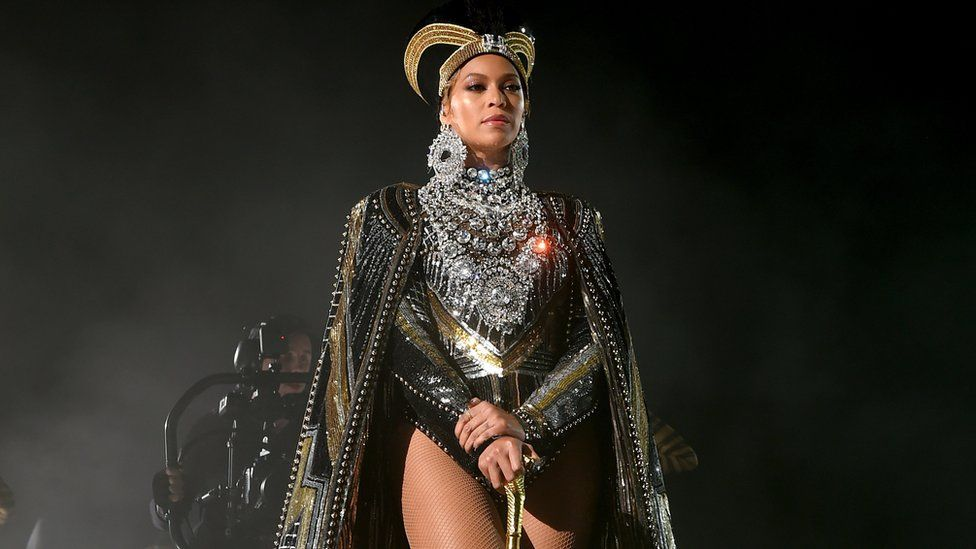
Beyoncé incorporates spiritual themes but has faced accusations of promoting witchcraft and occult imagery, especially in albums like Renaissance (2022) and Lemonade (2016). Tracks like “Church Girl” celebrate twerking and liberation from church constraints, resonating with Black evangelical women experiencing “church hurt.”
Sabrina Carpenter leans into blasphemy accusations. Her “Nonsense” outros—custom lewd lyrics per show—further sexualize performances. Evangelical critics decry her as mocking Christianity, yet young Christian women embrace her as fun and empowering, blending Disney roots with adult sensuality.
This heart-idolatry violates the first commandment, yet churches tolerate it, rarely confronting obsession with beauty, fame, or social media personalities as spiritual adultery (James 4:4).

Fornication (Porneia – Premarital Sex and High Partner Counts)
Revelation 9:21 condemns unrepentant fornication (Greek porneia), encompassing all sexual immorality outside of biblical marriage (Hebrews 13:4 – “Marriage is honourable in all, and the bed undefiled: but whoremongers and adulterers God will judge”). In the modern evangelical church, this sin is rampant yet rarely confronted plainly, especially among women. Sermons overflow with “grace” messages that reframe past (or ongoing) sexual activity as “mistakes” or “baggage” rather than rebellion requiring repentance. Purity culture backlash has labeled direct preaching on fornication as “shaming,” particularly toward women, leading to silence or one-sided focus on male lust (e.g., pornography) while ignoring female responsibility in sexual sin (1 Corinthians 6:18 – “Flee fornication. Every sin that a man doeth is without the body; but he that committeth fornication sinneth against his own body”).
By young adulthood (ages 18–22), roughly two-thirds of never-married evangelical women have engaged in sexual intercourse, and about three-quarters have participated in at least one form of sexual activity (vaginal, oral, or anal). Among evangelical girls ages 15–17, one-third admit to having had intercourse; by ages 23–32, 83% of unmarried evangelical women have had sex.
Church attendance reduces but does not eliminate the behavior: Even among weekly-attending evangelical young women ages 18–22, over 50% have engaged in intercourse. Promiscuity is common once active: Among evangelical women ages 18–22 who have ever had sex, more than 25% have had 2–3 partners, and over 40% have had 4 or more. For teens (15–17) who are sexually active, 36% have 2–3 partners and 32% have 4 or more. GSS data (2008–2018) shows 86% of never-married fundamentalist/evangelical women have at least one partner since age 18, with 57% having three or more.
These “body counts” often remain hidden in church settings. Women with extensive sexual histories are welcomed into leadership, women’s ministries, or as speakers without public repentance or accountability, while the same churches might scrutinize men more harshly for visible sins. Churches that hide female fornication contribute to the unrepentance of Revelation 9:21, risking the removal of their candlestick. Grace abounds for the repentant, but willful concealment invites tribulation.

Thefts and Covetousness (Unbiblical Divorce)
Though not explicit “thefts,” unbiblical divorce steals covenant vows (Malachi 2:16—“God hateth putting away”). Barna and Lifeway data show evangelical divorce rates at 26–33% (lower for active attendees but matching nominal Christians). Critically, women initiate 70–80% of divorces in evangelical marriages, often for unbiblical reasons like “unhappiness” or “lack of leadership.” Churches accept no-fault grounds, rarely enforcing Matthew 19:9 or disciplining covenant-breakers. This hides rebellion as “finding freedom.”
Fornication and Idolatry Combined (LGBTQ Tolerance and Affirmation)
Romans 1:26–27 ties same-sex acts to idolatry and porneia. PRRI (2024–2025) shows only 38% of white evangelicals support same-sex marriage (up from 28% in 2014), but younger evangelical women affirm at higher rates, often beginning tolerance in women’s ministries via “listening groups.” Women have more LGBTQ friends, influencing views toward acceptance without repentance calls. Churches soften Romans 1 as “love,” hiding abomination as inclusion.

Rejecting the Word of God (Root of All Unrepentance)
All these stem from dismissing Scripture’s authority. Passages on roles, sexuality, and occult practices are labeled “cultural.” Mutual submission teachings invert headship; empowerment events mock submission. Churches tolerate this as “progress,” refusing repentance despite clear warnings (2 Timothy 3:16–17).
The Church’s Role in Enabling UnrepentanceMany evangelical churches—Laodicean in comfort—prioritize attendance over holiness. Pastors fear women’s backlash (who control volunteers and giving), leading to one-sided preaching: endless on male sins, silence on female-specific ones. This is Jezebel’s spirit: tolerating seduction into porneia and idolatry. Yet Jesus warns: judgment begins at the house of God (1 Peter 4:17). Space for repentance has been given; refusal invites tribulation (Revelation 2:21–23).

The remedy: Preach the whole counsel (Acts 20:27), name sins plainly, offer gospel grace, and restore order. Only overcomers inherit the promises (Revelation 2:26–28). “Even so, come, Lord Jesus.” (Revelation 22:20).
Don’t forget to Subscribe for Updates. Also, Follow Us at Society-Reviews, YouTube, Instagram, Twitter, Odysee, Rumble, and Twitch




 Society Reviews
Leave a comment