
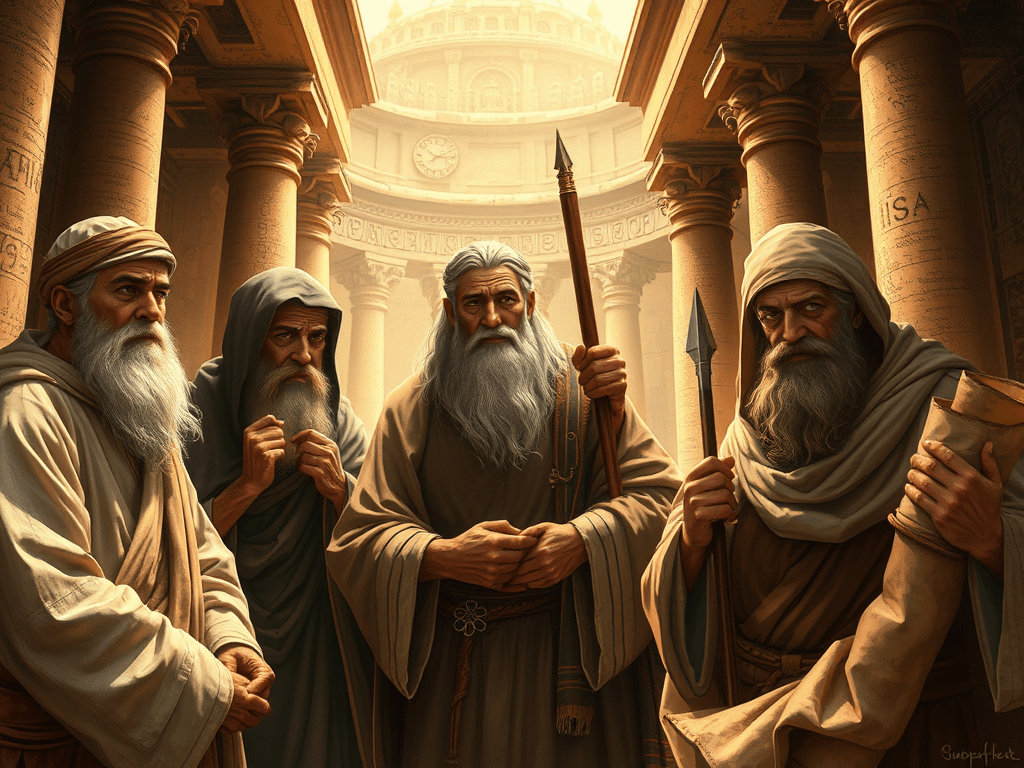
Two thousand years after the Roman legions destroyed the Second Temple, the religious and political fault lines that fractured Jewish society in the time of Jesus remain strikingly visible.
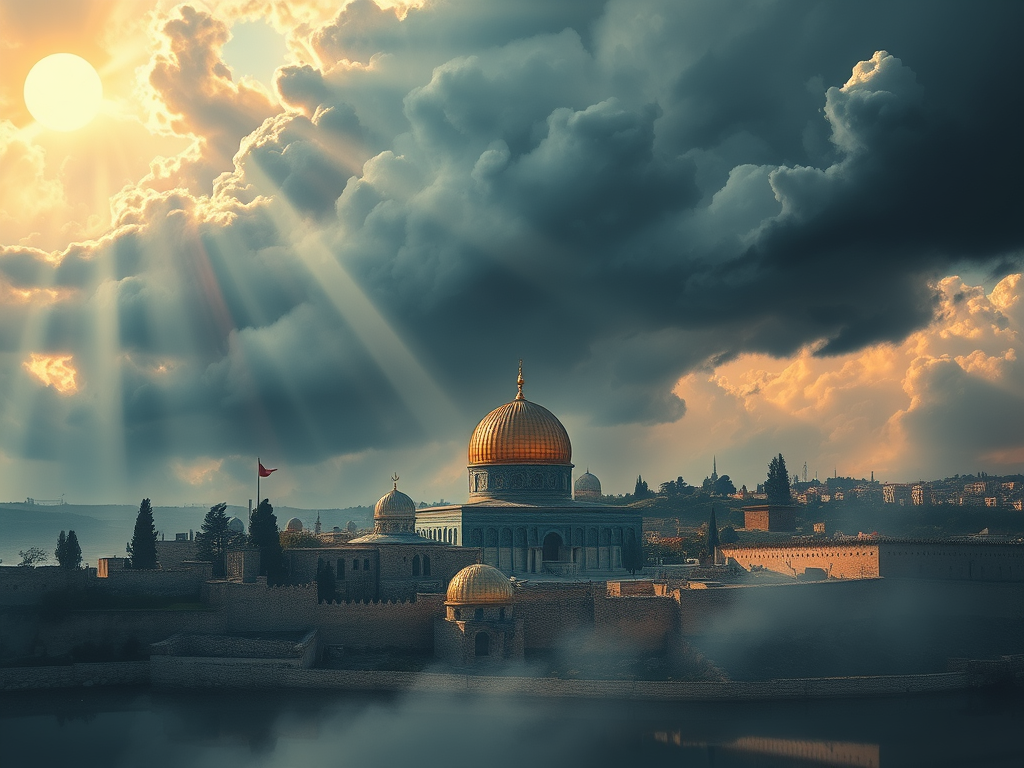
Scholars have long identified four major sects in first-century Judea: the Pharisees, Sadducees, Zealots, and Herodians. A fifth, the Essenes, though never named in the New Testament, left their imprint on the Dead Sea Scrolls and the wilderness communities of Qumran. A close reading of the Greek New Testament, the writings of Flavius Josephus, and contemporary archaeological evidence reveals five distinct spiritual and political temperaments. Remarkably, each continues to find expression—sometimes consciously, sometimes unconsciously—among Jewish communities in 2025.
The Pharisees: Guardians of Tradition, Architects of Rabbinic Judaism
The Pharisees were the populists of their day, insisting that holiness required meticulous observance of the Torah and the “tradition of the elders” (Mark 7:3). Jesus accused them of elevating human rulings above divine command and of outward piety that masked inner corruption (Matthew 23). After the Temple’s destruction in 70 C.E., Pharisaic Judaism—rebranded as Rabbinic Judaism—became the mainstream of Jewish life.

Today, the clearest heirs are the Orthodox, particularly the Haredi (ultra-Orthodox) and Hasidic worlds. In Brooklyn’s Williamsburg and Jerusalem’s Mea Shearim, the same arguments that Jesus debated—about hand-washing before bread, Sabbath boundaries, and the binding force of oral law—are codified in the 16th-century Shulchan Aruch and argued nightly in yeshivas. When Chabad emissaries place tefillin on secular Jews at airport booths, or when Israeli Haredi parties demand ever-stricter kosher supervision, the Pharisaic instinct to extend ritual law into every corner of life is on vivid display.
The Sadducees: Aristocratic Rationalists Who Denied the Afterlife
The Sadducees were the priestly elite who controlled the Temple and cooperated with Rome. They rejected belief in resurrection, angels, and spirits, accepting only the written Torah as authoritative (Acts 23:8). When the Temple fell, so did the Sadducees—except in spirit.
Their modern successors are found among secular and Reform Jews, especially the affluent, highly educated diaspora. A 2024 Pew Research Center study found that 61 percent of American Jews do not believe in an afterlife, and only 24 percent of Reform Jews consider religion “very important.” The Central Conference of American Rabbis has for decades excised references to bodily resurrection from its prayer books. In faculty lounges at Ivy League universities and on the boards of major philanthropic foundations, the same cool rationalism that once dismissed the resurrection as superstition persists, now cloaked in scientific materialism.
The Zealots: Holy Warriors Who Trusted the Sword
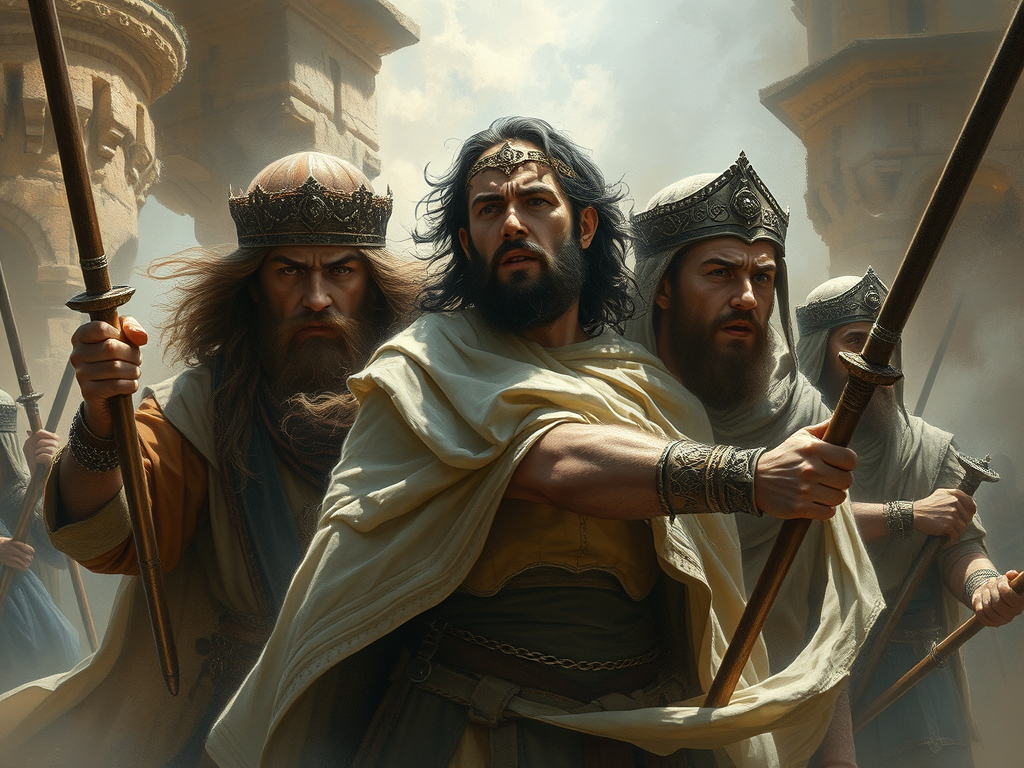
The Zealots believed that submission to Rome was idolatry and that God would deliver Israel through armed revolt. Their rebellion culminated in the catastrophic war of 66–73 C.E. Jesus warned that “all who take the sword will perish by the sword” (Matthew 26:52), a prophecy fulfilled when Jerusalem was razed.
In 2025 the Zealot flame burns brightest among Israel’s religious-Zionist right. Ministers Itamar Ben-Gvir and Bezalel Smotrich, leaders of parties that won 14 Knesset seats in 2022, openly describe annexation of the West Bank as a religious commandment. Settler rabbis cite the biblical conquest narratives to justify “price-tag” attacks on Palestinian villages. On the hills of Judea and Samaria, young men and women plant illegal outposts while singing songs of redemption through strength—echoes of the Sicarii who once carried hidden daggers beneath their cloaks in Jerusalem’s crowded alleys.
The Herodians: Court Jews of Empire
The Herodians were political realists who backed the Roman-appointed Herodian dynasty. They appear only fleetingly in the Gospels, conspiring first with the Pharisees to entrap Jesus over the question of tribute to Caesar (Mark 12:13). Their defining trait was willingness to collaborate with imperial power for the sake of influence and stability.

Their 21st-century counterparts are the disproportionately Jewish executives and financiers who occupy the commanding heights of global institutions. From the Treasury Department to the leadership of major investment banks, from Hollywood studios to Silicon Valley’s content-moderation councils, a small but influential cohort navigates—and sometimes shapes—the policies of gentile superpowers.
Like the ancient Herodians, many combine staunch public support for Israel with enthusiastic participation in progressive causes that would have horrified their biblical ancestors. When a Jewish studio head green-lights films celebrating gender fluidity while accepting an award from the Anti-Defamation League, the Herodian talent for serving two masters is on full view.
The Essenes: Separatists Awaiting Apocalypse
The Essenes withdrew to the desert, practiced rigorous purity, and awaited two (or three) Messiahs. Most scholars identify them with the Qumran community that produced the Dead Sea Scrolls. They vanished after 70 C.E., but their separatist impulse survived.
Today it reappears among the most extreme anti-Zionist Haredi sects. Neturei Karta delegations still travel to Tehran to embrace Israel’s enemies, declaring the Jewish state a heretical rebellion against heaven. In Monsey and Mea Shearim, signs proclaim “Real Jews do not serve in the Zionist army.” Like the Essenes, these groups insist that only their tiny remnant has preserved authentic Judaism, and they await divine—not human—redemption.
A Fractured People, an Ancient Mirror
Walk through Jerusalem or Brooklyn in 2025 and the parallels are impossible to miss. The Pharisee argues halachic minutiae in the study hall; the Sadducee debates transhumanism at Davos; the Zealot plants a flag on a West Bank hill; the Herodian signs another billion-dollar deal; the Essene burns a draft notice while praying for the Messiah who never comes.
The New Testament’s portrait is unflattering, even harsh. Yet it offers a diagnosis that rings true across centuries: each sect, in its own way, missed the moment of visitation (Luke 19:44). The Pharisees clung to tradition while rejecting its fulfillment; the Sadducees embraced reason at the expense of revelation; the Zealots trusted violence rather than repentance; the Herodians preferred Caesar’s protection to God’s kingdom; the Essenes withdrew into purity instead of engaging a broken world.
Two millennia later, the temptation remains the same—to fashion a Judaism that is zealous, sophisticated, powerful, or pure on human terms rather than on God’s. The sects are gone, but the spirits endure.

As the sun sets over the Judean hills, a visitor cannot help but recall the words once spoken in these same streets: “Ye shall know the truth, and the truth shall make you free.” For Jews and Gentiles alike, the question posed to first-century Judea still echoes in 2025: Which spirit will prevail?
The Answer: The Holy Spirit
Don’t forget to Subscribe for Updates. Also, Follow Us at Society-Reviews, YouTube, Instagram, Twitter, Odysee, Rumble, and Twitch




 Society Reviews
Leave a comment