

The Hebrew calendar is not a relic; it is a countdown. Leviticus 23 lays out seven mo’edim—appointed times—four of which have already been fulfilled with surgical precision on the exact feast days. The remaining three, theologians argue, form a prophetic triptych: Rosh Hashanah (the Rapture), Yom Kippur (the onset of the Tribulation), and Sukkot (the Millennium). Any deviation from these dates, they contend, would fracture the pattern God has etched into history.

The Pattern of Precision
The first four feasts were not fulfilled near their dates; they were fulfilled on them.
Passover (Nisan 14): Jesus was crucified as “our Passover lamb” (1 Corinthians 5:7, KJV) on the exact day the lambs were slain—Nisan 14, 33 A.D.
Unleavened Bread (Nisan 15): Christ’s sinless body was placed in the tomb as the Feast of Unleavened Bread began at sundown.
Firstfruits (Nisan 16-17): Jesus rose as “the firstfruits of them that slept” (1 Corinthians 15:20, KJV) on the precise day of the wave-sheaf offering.
Pentecost (Sivan 6): The Holy Spirit descended on the church 50 days after Firstfruits, on the exact day of Shavuot—when the wheat harvest was presented and two loaves (Jew and Gentile) were waved before the Lord.
This is not coincidence. It is divine choreography. The Hebrew mo’ed (מועד) means “appointed time,” not “approximate season.”
The Unfulfilled Triad
The final three feasts remain:
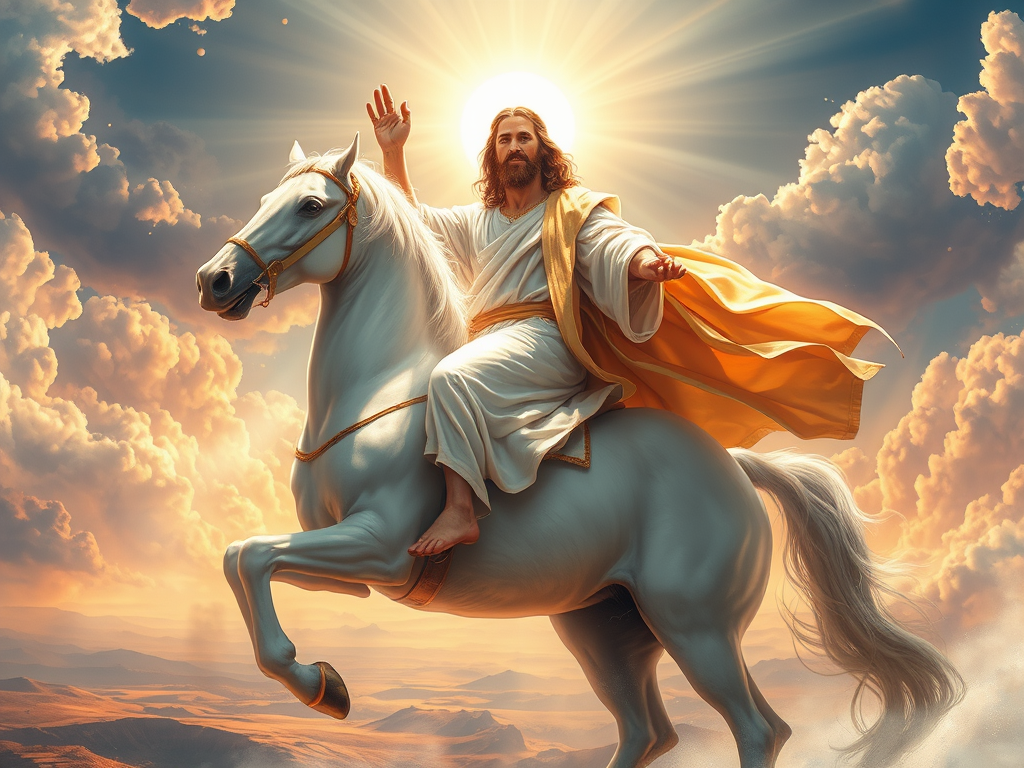
1. Rosh Hashanah (Tishrei 1-2) — The Rapture, Known as Yom Teruah (“Day of Shouting/Trumpets”), Rosh Hashanah is the only feast that begins at the sighting of the new moon—a day and hour no one knows in advance (Matthew 24:36). The liturgy is built around the shofar: 100 blasts, culminating in the Tekiah Gedolah, the “last trump.” 1 Corinthians 15:51-52 (KJV): “At the last trump… the trumpet shall sound, and the dead shall be raised incorruptible, and we shall be changed.”
1 Thessalonians 4:16-17 (KJV): “The Lord himself shall descend… with the trump of God: and the dead in Christ shall rise first: Then we which are alive and remain shall be caught up.” The Greek harpazō (“caught up”) mirrors the Hebrew nasa’ (“lift up”) from Genesis 18:24—God lifting the righteous before judgment. Rosh Hashanah’s twin themes—coronation (of the King) and awakening (of the dead)—align perfectly with the rapture’s resurrection and removal.
The feast’s ancient name, Yom HaZikkaron (“Day of Remembrance”), evokes God “remembering” Noah (Genesis 8:1) and Lot (Genesis 19:29) before judgment. The pre-tribulation rapture on Rosh Hashanah fulfills this: the church is remembered and removed before the seals break.
2. Yom Kippur (Tishrei 10) — The Start of the Tribulation
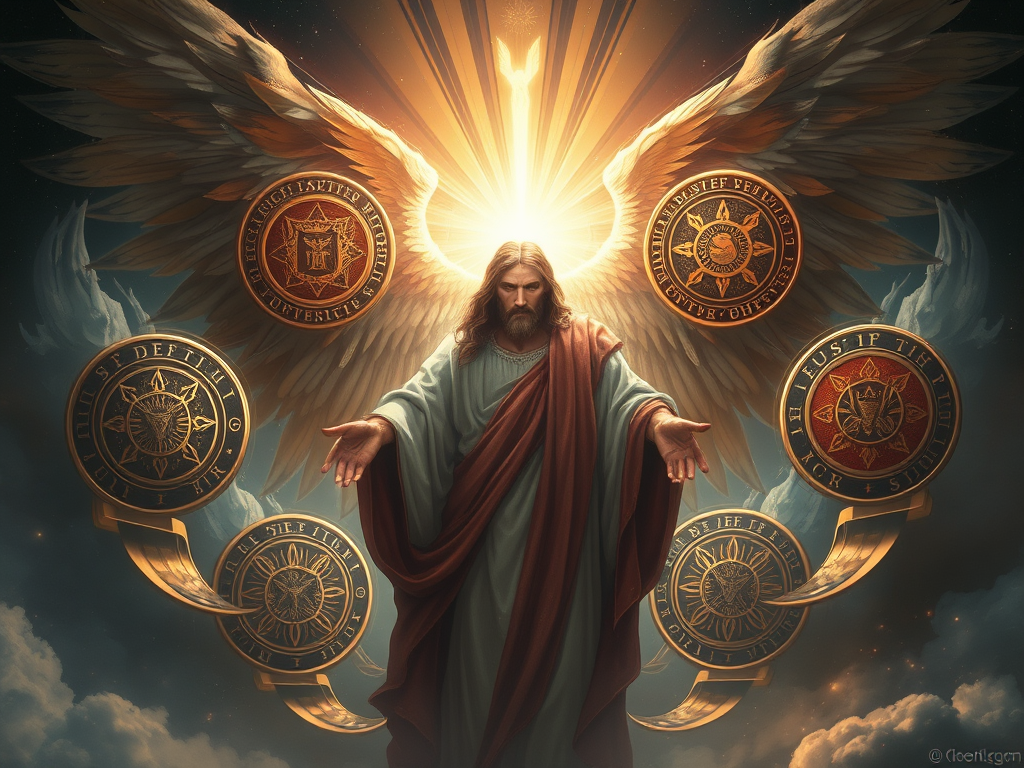
Ten days after Rosh Hashanah, Yom Kippur—the Day of Atonement—begins with the Neilah (“closing of the gate”) service. This is the final moment for repentance before the books are sealed. Daniel 9:27 (KJV): The Antichrist “shall confirm the covenant with many for one week [7 years]”—a covenant that begins the tribulation. Revelation 6:1: The first seal is broken after the church’s departure (Revelation 4-5), unleashing the rider on the white horse (the Antichrist).
The 10-day gap between Rosh Hashanah and Yom Kippur mirrors the “gap” between the rapture and the tribulation’s formal onset. Just as Israel’s national atonement was sealed on Yom Kippur, the world’s rejection of Christ is sealed when the Antichrist’s covenant is confirmed. The tribulation begins on Yom Kippur, not before or after.
3. Sukkot (Tishrei 15-21) — The Millennium
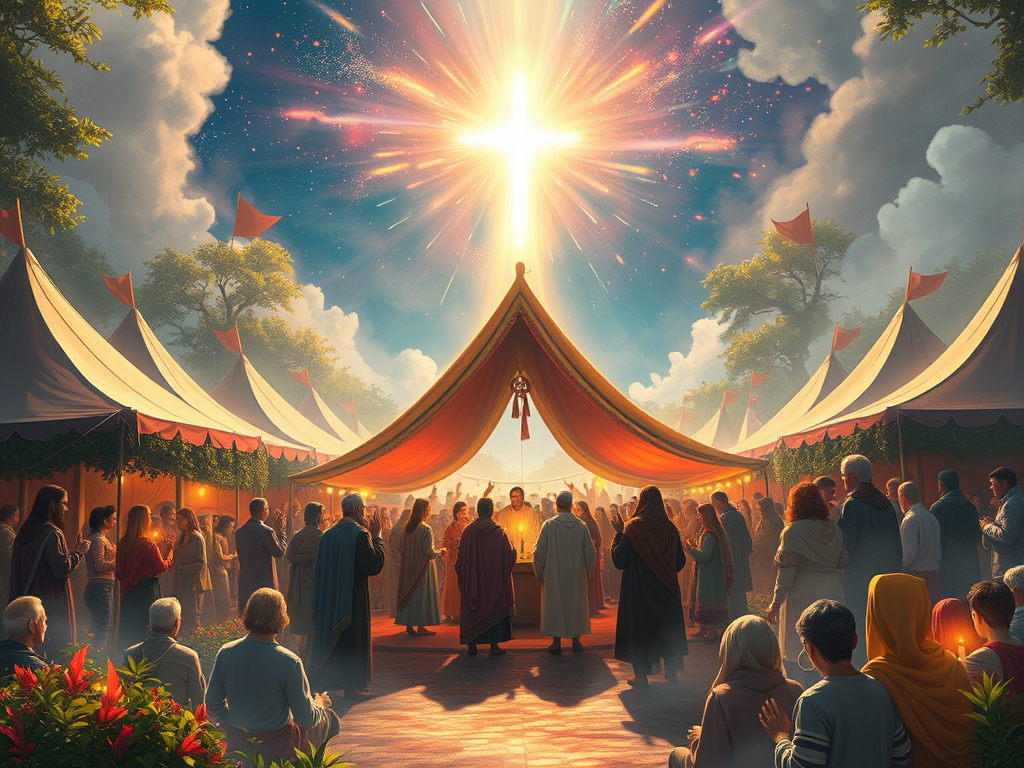
Five days after Yom Kippur, the Feast of Tabernacles begins. For seven days, Israel dwells in sukkot (booths), commemorating God’s provision in the wilderness and anticipating the Messianic kingdom. Zechariah 14:16 (KJV): “Every one that is left of all the nations… shall even go up from year to year to worship the King… and to keep the feast of tabernacles.”
Revelation 20:4-6: The 1,000-year reign begins after Armageddon, with Christ tabernacling among His people. The Millennium is not a vague era; it is the fulfillment of Sukkot’s promise: God dwelling with man in booths of peace.
Why the Dates Cannot Shift
The Abrahamic Covenant (Genesis 18) demands no righteous be swept away (saphah) with the wicked. A mid-trib, pre-wrath, or post-trib rapture leaves believers under the seals, trumpets, or bowls—violating God’s promise. Rosh Hashanah’s removal before Tishrei 10 ensures the tsaddiq are gone when the tribulation’s covenant is signed.
The “No One Knows” Clause: Rosh Hashanah’s new-moon timing fulfills Matthew 24:36—“of that day and hour knoweth no man.” A post-trib rapture at the end of 7 years would be calculable (2,520 days from the covenant). Only Rosh Hashanah preserves the mystery.
The Last Trump: The “last trump” of 1 Corinthians 15:52 is not the seventh trumpet of Revelation 11 (a judgment trumpet). It is the Tekiah Gedolah of Rosh Hashanah—the final, longest shofar blast that signals the coronation of the King and the gathering of the exiles (Isaiah 27:13).
The Final Countdown

The Hebrew calendar is a clock with seven ticks. Four have struck. The fifth—Rosh Hashanah—will sound when the shofar splits the sky and the church vanishes. Ten days later, on Yom Kippur, the Antichrist’s covenant will seal the world’s fate. Five days after that, Sukkot will dawn on a planet in ruins, awaiting the King who tabernacles with man for 1,000 years.
Abraham’s question—“Shall not the Judge of all the earth do right?”—finds its answer not in the chaos of the tribulation, but in the silence before the first trumpet of Tishrei. The rapture is not a theological footnote. It is the mo’ed that keeps God’s ancient promise intact.
Don’t forget to Subscribe for Updates. Also, Follow Us at Society-Reviews, YouTube, Twitter, Odysee, Rumble, and Twitch



 Society Reviews
Leave a comment