
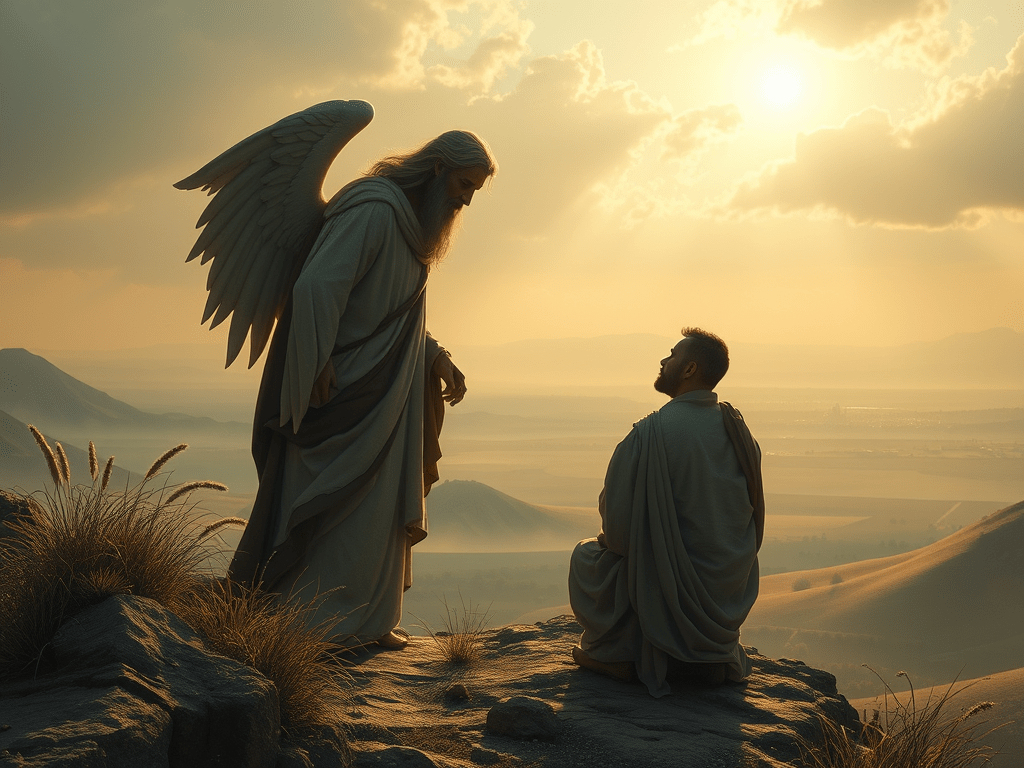
In the dim light of a Mesopotamian dawn, Abraham once bargained with God over the fate of two doomed cities. The exchange—recorded in Genesis 18:16-33—has reverberated through millennia, not merely as moral theater, but as a legal precedent etched into the character of God Himself: “Shall not the Judge of all the earth do right?” Abraham asked, pleading that the righteous not be swept away with the wicked.

God’s answer was unequivocal: He would spare the entire region for the sake of even ten righteous souls. That ancient covenant, theologians now argue, contains the cryptographic key to the timing of the rapture—the sudden removal of believers before the seven-year tribulation described in Revelation.
A close reading of Scripture, from Genesis to Zechariah, reveals a pattern so consistent that any rapture occurring after the tribulation’s onset—whether mid-tribulation, pre-wrath, or post-tribulation—would violate the very promise God swore to Abraham.
The Precedent of Physical Removal
Genesis 18 is not an isolated anecdote. It is the first in a triptych of divine rescues that define God’s justice. In Genesis 19, Lot—Abraham’s nephew and the only righteous man in Sodom—is physically removed from the city before fire falls. The Hebrew verb nasa’ (“to lift up” or “spare”) used in Genesis 18:24, 26 reappears in the angelic command to Lot: “Haste thee, escape thither” (Genesis 19:22, KJV). The pattern is repeated with Noah: seven days before the flood, God shuts the patriarch inside the ark (Genesis 7:16), isolating him from the judgment that “destroyed all flesh” (Genesis 6:17).

Jesus Himself invokes these precedents in Luke 17:26-29 (KJV): “As it was in the days of Noah, so shall it be also in the days of the Son of man… Likewise also as it was in the days of Lot… Even thus shall it be in the day when the Son of man is revealed.” The Greek achri hēmera (“until the day”) underscores the sequence: normalcy, removal, judgment.
The Tribulation’s Indiscriminate Wrath
The tribulation, as detailed in Revelation 6-19, is not a localized catastrophe like Sodom’s fire or Egypt’s plagues. It is a global sweeping away. The fourth seal alone slaughters one-quarter of the earth’s population (Revelation 6:8). Revelation 6:9 describes believers martyred beneath God’s altar, their blood crying for vengeance. By the fifth trumpet, demonic locusts torment all who lack God’s seal (Revelation 9:4)—a seal given only to the 144,000, not the broader church. Daniel 7:21, 25 (KJV) is blunt: the Antichrist “made war with the saints, and prevailed against them… and shall wear out the saints of the most High.”
If the church remains on earth past the tribulation’s first seal, God’s promise to Abraham collapses. The righteous would be saphah-ed alongside the wicked, their blood mingling beneath the altar while the Antichrist “prevails.”
Why Mid-Trib, Pre-Wrath, and Post-Trib Fail the Abrahamic Test
Mid-Tribulation Rapture (at the 3.5-year mark) places believers under the first half of the tribulation—precisely when the seals unleash famine, war, and death (Revelation 6). The martyrs of the fifth seal are already dead before the midpoint; their souls cry, “How long?” (Revelation 6:10). God’s promise to Abraham cannot survive the slaughter of even one righteous in the tribulation’s opening act.
Pre-Wrath Rapture (before the “bowls” but after the trumpets) fares no better. The trumpets include hailstones weighing a talent (Revelation 16:21) and demonic torment that drives men to suicide (Revelation 9:6). The Greek basanismos (“torment”) in Revelation 9:5 is the same word used for Christ’s suffering; this is not “persecution” but divine wrath. To leave the church under even one trumpet is to subject the righteous to the very shachath God spared Noah from.
Post-Tribulation Rapture is the most egregious violation. It requires believers to endure the entire tribulation, including the Antichrist’s 42-month reign (Revelation 13:5). Zechariah 14:2 (KJV) describes Jerusalem’s fall: “the city shall be taken, the houses rifled, the women ravished.” The “residue of the people” survives, but only after captivity and rape. If the church is the “residue,” God has broken His word to Abraham on a global scale.

The Pre-Tribulation Solution
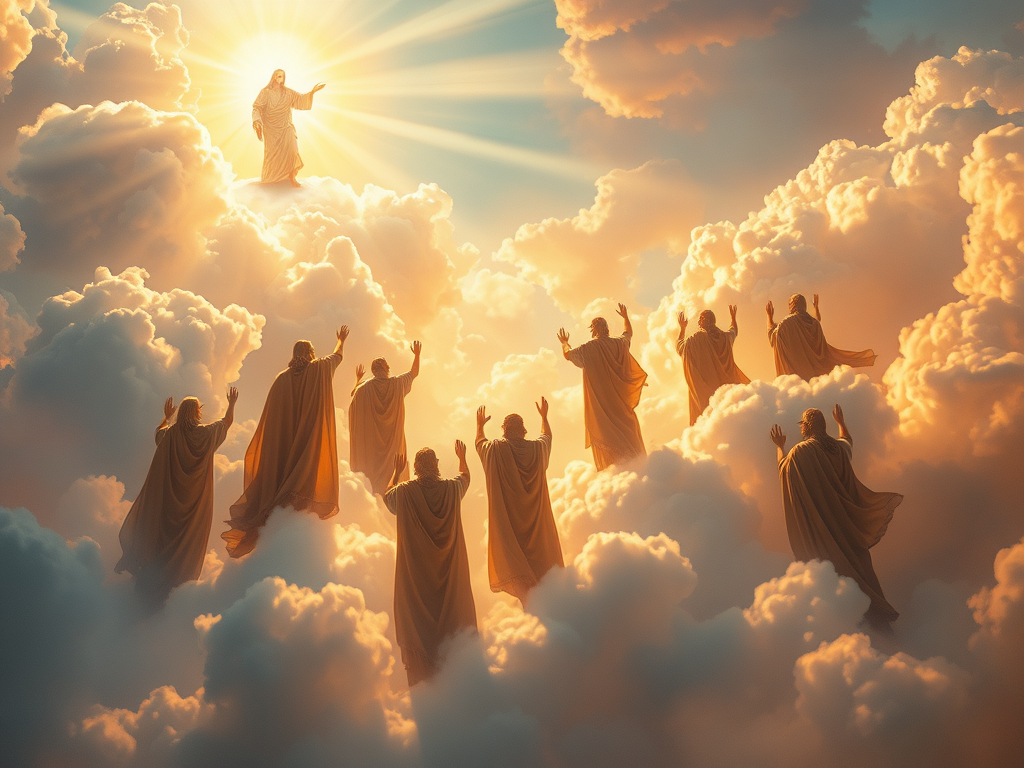
Only a pre-tribulation rapture satisfies Genesis 18. The church—composed of all who are righteous by faith (Romans 5:1)—is removed before the first seal is broken (Revelation 6:1). At that moment, no righteous remain on earth, thus God’s wrath on a completely unbelieving world can begin. The tribulation saints of Revelation 7:9-14 are post-rapture converts who were not righteous at the start of the tribulation. Their white robes are washed “in the blood of the Lamb” after the church’s departure.
This timing preserves the Abrahamic covenant. The seals, trumpets, and bowls target only the unbelievers, while the righteous—already in heaven—watch from the sea of glass (Revelation 15:2). The pattern of Noah (removed seven days early), Lot (removed the same day), and the church (removed before the first seal) is consistent: God does not merely protect the righteous through judgment; He removes them from it. T
he Final Ledger
Genesis 18 is not a footnote; it is the balance sheet of divine justice. Every martyr beneath the altar, every saint “overcome” by the beast, every city “rifled” in Zechariah’s siege is a debit against God’s promise—unless the church is gone before the first line is written.
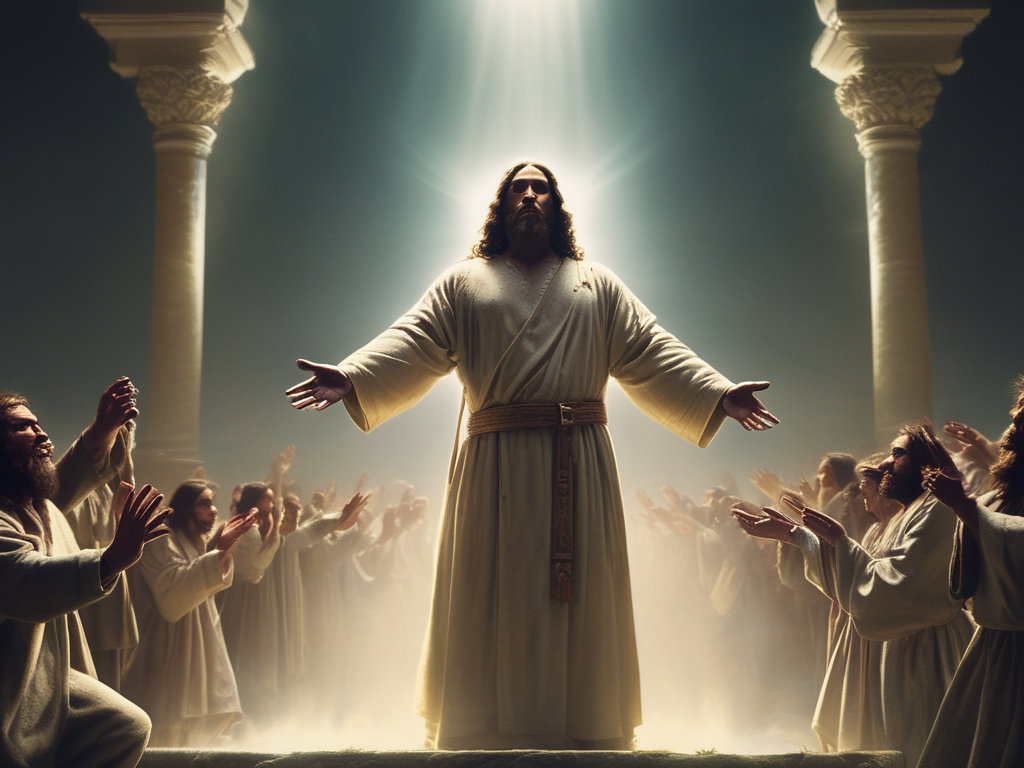
The pre-tribulation rapture is not a modern invention. It is the only timeline that keeps the Judge of all the earth from defaulting on a 4,000-year-old bond. Abraham’s question—“Shall not the Judge of all the earth do right?”—finds its answer not in the ashes of the tribulation, but in the silence before the storm, when the righteous vanish and the seals begin to break.
Don’t forget to Subscribe for Updates. Also, Follow Us at Society-Reviews, YouTube, Twitter, Odysee, Rumble, and Twitch




 Society Reviews
Leave a comment