

In the shadowed corners of evangelical pulpits, a cadre of self-appointed “fruit inspectors” has emerged, armed with magnifying glasses and a checklist of behaviors they deem essential to prove genuine salvation.

These modern-day Pharisees, emboldened by the doctrine of Lordship Salvation, elevate personal performance above Christ’s finished work, fostering a culture of spiritual pride that the King James Bible (KJV) repeatedly condemns.
At the heart of this movement lies a subtle but deadly arrogance: the belief that one’s own obedience, perseverance, or visible “fruit” is the ultimate evidence of election — and the standard by which others must be judged.
Lordship Salvation, popularized by figures like John MacArthur, Paul Washer, and more recently, viral preacher Philip Anthony Mitchell, teaches that true faith must be validated by radical submission, ongoing repentance, and measurable transformation. While proponents cite verses like Matthew 7:15-20 (“by their fruits ye shall know them”), they twist these warnings about false prophets into a universal diagnostic for every believer’s salvation. The result? A church filled with anxious souls scrutinizing their own works — and worse, arrogantly inspecting others’.
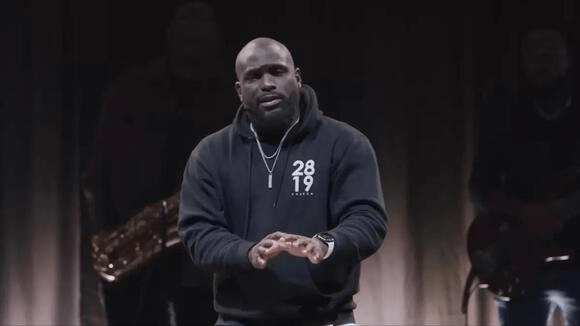
Philip Anthony Mitchell: A Case Study in Prideful Fruit Inspection
Mitchell, a rising star in Reformed circles, recently went viral for a sermon in which he declared: “If you’re not bearing fruit, you’re not saved. Period. I don’t care what prayer you prayed at 12 years old. If your life doesn’t look like Jesus, you’re not His.”
This is classic Lordship Salvation rhetoric — salvation is not a gift received by faith, but a status proven by performance. Mitchell’s tone drips with certainty, not humility. He positions himself as a fruit inspector general, confidently pronouncing who is and isn’t in the kingdom based on external metrics. But the Bible warns against such arrogance.
Romans 4:1-8 (KJV)
“What shall we say then that Abraham our father… hath found? For if Abraham were justified by works, he hath whereof to glory; but not before God… Blessed are they whose iniquities are forgiven, and whose sins are covered. Blessed is the man to whom the Lord will not impute sin.”
Abraham was justified by faith, not fruit. If even the father of faith couldn’t boast before God, what gives Mitchell — or any fruit inspector — the right to demand visible proof from others?

The Misuse of Matthew 7:15-20
Lordship advocates love to quote:
Matthew 7:15-20 (KJV)
“Beware of false prophets… Ye shall know them by their fruits… Every tree that bringeth not forth good fruit is hewn down…”
But context matters. Jesus is warning about false prophets, not every struggling believer. He’s not commanding us to police each other’s sanctification. Yet fruit inspectors use this passage as a license to judge, creating a hierarchy where the “fruitful” look down on the “unfruitful” — all while ignoring their own logs (Matthew 7:3-5).
James 2:14-26 — Faith Without Works Is Dead… But Works Don’t Save
Another favorite:
James 2:14-26 (KJV)
“Faith, if it hath not works, is dead… I will shew thee my faith by my works.”
Lordship teachers treat this as proof that salvation requires visible fruit. But James is addressing professing believers who claim faith but live in hypocrisy — not teaching that works are part of the root of salvation. Paul and James are not in conflict:
- Paul: Justification before God is by faith alone (Romans 4:5 — “to him that worketh not, but believeth… his faith is counted for righteousness”).
- James: Justification before men is shown by works. A dead faith is one that claims salvation but denies it by lifestyle.
Fruit inspectors collapse justification and sanctification, demanding that every believer’s life must immediately and consistently reflect maturity — or their faith is fake. This ignores the reality of spiritual growth, backsliding, and God’s patient sanctification (Philippians 1:6).

The Terror of Hebrews 10:26-27 — Misapplied to Believers
Mitchell and others often wield:
Hebrews 10:26-27 (KJV)
“For if we sin wilfully after that we have received the knowledge of the truth, there remaineth no more sacrifice for sins, But a certain fearful looking for of judgment…”
They claim this means true believers cannot sin willfully — or they were never saved. But read the context:
Hebrews 10:1-18 (KJV)
“For by one offering he hath perfected for ever them that are sanctified… Their sins and iniquities will I remember no more. Now where remission of these is, there is no more offering for sin.”
Hebrews 10 is contrasting the Old Covenant (repeated sacrifices) with the New Covenant (Christ’s once-for-all sacrifice). The “wilful sin” in verse 26 refers to apostasy — rejecting Christ entirely and returning to Judaism’s temple system. It is not about a believer who struggles with sin.Fruit inspectors use this passage to terrorize believers into performance, ignoring verse 18: “there is no more offering for sin” — meaning Christ’s work is finished. There’s no probation. No reevaluation. No fruit audit.

John 6:28-30 — What Must We Do?
The crowd asked Jesus:
John 6:28-30 (KJV)
“What shall we do, that we might work the works of God? Jesus answered… This is the work of God, that ye believe on him whom he hath sent.”
Their question reflects the same legalistic mindset as fruit inspectors: What must we do? Jesus’ answer shuts it down: Believe. That’s it. The “work” is faith, not fruit.Yet Lordship Salvation echoes the crowd: “Believe… but also submit, obey, persevere, bear fruit, or it doesn’t count.” This is adding to the gospel.
The Pride of the Fruit Inspector
Here’s the core sin: pride. Fruit inspectors believe:
- “I’m bearing fruit — I must be elect.”
- “You’re not — you must not be.”
This is self-righteousness dressed in piety. It’s the Pharisee praying, “I thank thee that I am not as other men” (Luke 18:11). It’s glorying in works, which Paul says Abraham could not do before God (Romans 4:2).Mitchell’s viral clip ends with him saying, “I’m not judging — I’m just telling you what the Bible says.” But that’s a lie. He is judging — not with humility, but with certainty that his standard of fruitfulness is God’s. That’s pride.
The Damage Done
- To the Struggling Believer: They’re told their lack of fruit means they’re lost — crushing assurance (1 John 5:13).
- To the Church: It creates a culture of suspicion, where grace is replaced by performance reviews.
- To the Gospel: It shifts the focus from Christ’s righteousness to our obedience.
The True Gospel: Rest, Not Inspection
Romans 4:5 (KJV)
“But to him that worketh not, but believeth on him that justifieth the ungodly, his faith is counted for righteousness.”
Salvation is for the ungodly — not the fruitful. Faith, not fruit, is counted for righteousness. Works follow faith (Ephesians 2:10), but they prove nothing about justification.Jesus said, “Come unto me, all ye that labour and are heavy laden, and I will give you rest” (Matthew 11:28). Fruit inspectors offer no rest — only scrutiny.

Conclusion
The pride of fruit inspectors, fueled by Lordship Salvation, is a cancer in the church. It misuses Matthew 7, James 2, and Hebrews 10 to demand what Christ never required: proof through performance. It turns believers into judges and grace into a wage.
Philip Anthony Mitchell and his ilk may quote Scripture, but they preach another gospel — one that glorifies man’s fruit instead of Christ’s cross. The Bible’s answer is clear: Believe, and you are justified. Rest, and let the Spirit produce fruit in His time.
Until the church rejects this self-righteous inspection, it will remain divided — not by sin, but by pride.
Don’t forget to Subscribe for Updates. Also, Follow Us at Society-Reviews, YouTube, Twitter, Odysee, Rumble, and Twitch




 Society Reviews
Leave a comment