

The Bible declares in Ephesians 5:11, “And have no fellowship with the unfruitful works of darkness, but rather reprove them.” This command serves as our guiding light in examining the cultural shifts that paved the way for the so-called “Satanic Panic” of the 1980s—a term that, upon scriptural scrutiny, reveals itself as a dismissive label for righteous exposure of demonic influences rather than mere hysteria.

The Bible warns against such deceptions in 1 Corinthians 10:20: “But I say, that the things which the Gentiles sacrifice, they sacrifice to devils, and not to God: and I would not that ye should have fellowship with devils.” From the 1950s onward, the entertainment industry became a primary vessel for occult infiltration, promoting rebellion against God’s ordained boundaries on morality, family, and authority.
This analysis traces that progression, rooted in literal biblical truth, exposing how Satanic figures like Aleister Crowley and Anton LaVey seeded a harvest of spiritual darkness that culminated in the media’s mockery of Christian vigilance against child exploitation.
The 1950s: Seeds of Occult Influence in Post-War America
The post-World War II era marked a subtle yet insidious shift in American culture, where the allure of individualism and hedonism began to erode the Christian foundations of family and society. Proverbs 14:12 warns, “There is a way which seemeth right unto a man, but the end thereof are the ways of death.” This verse aptly describes the era’s embrace of figures whose philosophies exalted self over God, infiltrating the burgeoning youth culture through entertainment.

Aleister Crowley (1875–1947), the self-proclaimed “Great Beast 666,” laid foundational groundwork for this rebellion long before the 1950s, but his ideas gained traction posthumously as a “patron saint of rock and roll.” Crowley’s Thelemic doctrine—”Do what thou wilt shall be the whole of the Law”—directly contradicted biblical submission to God’s will (Romans 12:2: “And be not conformed to this world: but be ye transformed by the renewing of your mind”).
Influenced by Helena Petrovna Blavatsky’s Theosophical Society, which blended Eastern mysticism with occultism and was later tied to Satanism, Crowley promoted ritual magic, sexual liberation, and rejection of Christian morality. His writings, including Confessions of Aleister Crowley, envisioned a “new age” of brotherhood through Hermetic science and yoga—doctrines echoing the serpent’s temptation in Genesis 3:5, promising godlike knowledge apart from God.
Anton LaVey, born Howard Stanton Levey in 1930, amplified Crowley’s legacy in the 1950s American entertainment scene. As a San Francisco nightclub organist and circus performer, LaVey immersed himself in the carnivalesque underbelly of show business, rubbing shoulders with burlesque dancers and mystics. By the mid-1950s, he hosted “midnight magic assemblies” at his home, blending Crowley’s rituals with influences from Friedrich Nietzsche and Ayn Rand to craft a philosophy of carnal self-indulgence.

LaVey’s Church of Satan, formally founded in 1966 but ideologically seeded in the 1950s, formalized this as “LaVeyan Satanism”—an atheistic yet ritualistic embrace of egoism, where Satan symbolized rebellion against “herd morality.” His work as an occult consultant for Hollywood films further embedded these ideas, portraying darkness as glamorous.
As 2 Timothy 3:1-5 describes the last days’ lovers of pleasures more than God, LaVey’s influence normalized hedonism in a culture already reeling from wartime moral fatigue. This duo’s philosophies—Crowley’s mystical anarchy and LaVey’s carnal atheism—fueled a cultural rebellion against Christian values. Deuteronomy 18:10-12 condemns such sorceries as abominations, yet they seeped into entertainment, priming society for the rock revolution.
Crowley’s Shadow Over Rock and Roll: Elvis and the Patron Saint’s GripRock and roll emerged in the 1950s not merely as music but as a sonic battering ram against biblical piety. Amos 6:5 rebukes those who “chant to the sound of the viol, and invent to themselves instruments of musick, like David,” when their hearts stray from God. Crowley’s influence as rock’s “patron saint” is evident in how artists channeled his Thelemic ethos of liberation through rhythm and rebellion.

Elvis Presley, the “King of Rock and Roll,” exemplifies this. By the mid-1950s, Elvis was devouring occult literature, amassing hundreds of books on mysticism. He was particularly drawn to Blavatsky’s The Voice of Silence, a Theosophical text steeped in Eastern occultism that influenced Crowley. Elvis named his backup vocal trio “The New Age” (shortened to “The Voice” for billing), directly echoing Blavatsky’s work and Crowley’s vision of a Thelemic era.
Reports from biographers note Elvis’s fascination with metaphysical questions, reading mystics like Blavatsky and George Gurdjieff—figures whose ideas promoted self-deification over Christ-centered humility (Colossians 2:8 warns against “vain deceit, after the tradition of men, after the rudiments of the world, and not after Christ”). Elvis’s performances—pelvic thrusts decried as obscene by critics like Frank Sinatra—embodied Crowley’s sexual magick, pushing Blavatsky’s form of Satanism: a blend of occult enlightenment and carnal excess. By 1956, Elvis claimed spirit possession during shows, aligning with Crowley’s ritualistic ecstasies.
This was no coincidence; rock’s hypnotic beats and lyrics of youthful defiance mirrored the Bible’s depiction of idolatry through music in 1 Kings 18, where Baal’s prophets danced and prophesied in vain. Elvis’s rise sold not just records but a gospel of self-gratification, eroding parental authority and Christian chastity.
Hidden Occult References: Album Art and Lyrics as Demonic Sign

As rock evolved into the 1960s counterculture, bands embedded Crowley’s symbols and LaVey’s hedonism in plain sight, fulfilling Ephesians 5:11’s call to reprove hidden darkness. These weren’t innocent nods but invitations to fellowship with devils (1 Corinthians 10:20), disguised as artistic flair. The Beatles’ 1967 Sgt. Pepper’s Lonely Hearts Club Band cover collage featured Crowley’s portrait prominently among luminaries, signaling his exalted status.
John Lennon later quipped the Beatles were “more popular than Jesus,” echoing Crowley’s Antichrist bravado. Their shift to psychedelia—fueled by LSD and Eastern mysticism—produced tracks like “Tomorrow Never Knows,” sampling from The Book of the Dead, a Crowley staple. Backward masking rumors (e.g., “Paul is dead” chants) amplified fears of subliminal occultism, but the real danger lay in lyrics promoting altered states over sobriety in Christ (1 Peter 5:8).
The Beach Boys, often seen as wholesome, delved deeper. Brian Wilson’s Pet Sounds (1966) and Smile sessions drew from psychedelic experimentation, with album art evoking mystical voyages. Wilson’s interest in Maharishi Mahesh Yogi (a Theosophical offshoot) mirrored Blavatsky’s influences, promoting “good vibrations” as a spiritual high—contrary to Philippians 4:8’s call for pure thoughts.
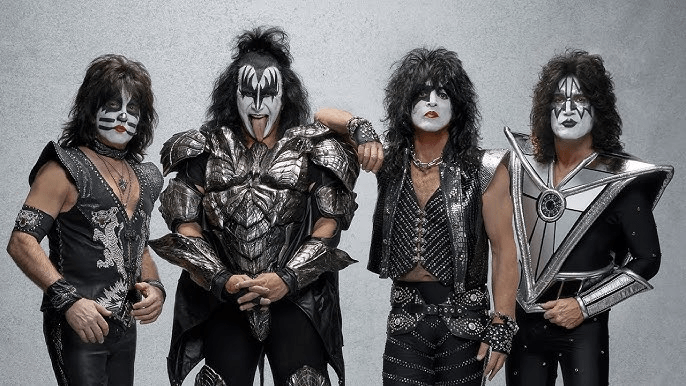
KISS’s 1970s shock rock aesthetic—blood-spitting, demonic makeup—channeled LaVey’s theatrical rituals. Their 1977 Marvel comic, “printed in their blood,” evoked Satanic pacts, while songs like “God of Thunder” idolized dark forces (Exodus 20:3 forbids other gods).David Bowie’s Hunky Dory (1971) namedrops Crowley in “Quicksand,” lamenting entrapment in “the magician’s lie.”
Bowie’s androgynous personas and occult fascination (Tarot, Golden Dawn) embodied Crowley’s gender-fluid magick, blurring biblical distinctions of male and female (Genesis 1:27). Jimi Hendrix’s Electric Ladyland (1968) artwork featured naked witches, with lyrics in “Voodoo Child” invoking shamanic power—echoing Crowley’s evocations. His guitar as a “phallic symbol” thrust against Christian modesty.
Led Zeppelin’s Jimmy Page bought Crowley’s Boleskine House in 1970, etching “Do what thou wilt” into Led Zeppelin III’s grooves. Led Zeppelin IV’s Hermetic symbols (e.g., Page’s “Zoso”) and “Stairway to Heaven” (accused of backmasked Satanism) promoted alchemical ascent apart from Christ (John 14:6).

The Rolling Stones’ Their Satanic Majesties Request (1967) title alone proclaimed allegiance, with Mick Jagger’s Crowley books and “Sympathy for the Devil” narrated from Satan’s view—directly defying James 4:7: “Submit yourselves therefore to God. Resist the devil, and he will flee from you.”These references weren’t coincidental; they formed a cultural liturgy of rebellion, as warned in Deuteronomy 18:9-14 against learning the abominations of the nations.
Rock’s Fuel for the Sexual Revolution: Destruction of Christian Boundaries
The 1960s-1970s sexual revolution—championing “free love,” premarital sex, and divorce—owed its soundtrack to rock’s occult-tinged anthems. Galatians 5:19-21 lists “adultery, fornication, uncleanness, lasciviousness” as works of the flesh that bar one from God’s kingdom. Yet bands like the Stones (“Let’s Spend the Night Together”) and Hendrix (“Foxy Lady”) normalized fornication, while Woodstock (1969) fused music with orgiastic communes.
This eroded family structures: premarital sex rates doubled from the 1950s, divorce soared, and Christian teachings on marital fidelity (Hebrews 13:4) were mocked as repressive. Rock’s rhythms—described as “sexual” since Elvis—stirred fleshly desires, leading to societal ills like fatherless homes and STD epidemics. As 1 Corinthians 6:18 urges, “Flee fornication,” but the revolution offered “cheap sex” as liberation, destroying covenantal bonds for momentary pleasure. The Bible’s vision of family (Ephesians 5:22-33) crumbled under this assault, birthing generations alienated from godly nurture.

The “Satanic Panic”: Media Dismissal of Christian Discoveries
The 1980s dawned with a spiritual awakening among evangelicals, fueled by the Moral Majority and a renewed focus on family protection. Proverbs 22:6 urges, “Train up a child in the way he should go: and when he is old, he will not depart from it.” Yet, as working parents surged—daycare enrollment doubled from 1970 to 1990—vulnerable children entered spaces where evil could lurk.
Christians, attuned to Ephesians 6:12’s “wrestling… against principalities, against powers,” began reporting patterns of abuse that transcended ordinary molestation. Early whistleblowers included therapists and law enforcement with Christian roots. In 1980, Michelle Remembers—a memoir by psychiatrist Lawrence Pazder and patient Michelle Smith—detailed repressed memories of childhood Satanic rituals, including blood-drinking and infant sacrifice.
The media, working much like they work in today’s 2025 climate, put in overtime to discredit these claims for fear that the country may actually be exposed to the possibility of widespread child abuse in openly Satanic circles.
By 1983, the McMartin Preschool case in Manhattan Beach, California, ignited national scrutiny. Parent Judy Johnson alleged her son was abused by teacher Ray Buckey in rituals involving animal sacrifice. Over 360 children eventually reported similar horrors: underground tunnels for orgies, flights in hot-air balloons to “devil churches,” and ceremonies with robed figures chanting to Satan.
CARIS’s Jack Roper, a veteran occult researcher, warned in 1989 that Satanism was “not a fad anymore… a social problem of the ’90s,” citing rising cult involvement—60 million Americans dabbling in occultism per Walter Martin’s Kingdom of the Cults. Christian law enforcement, like LAPD’s occult crime units, documented ritual sites: mutilated animals, pentagrams, and blood altars. By mid-decade, over 12,000 SRA allegations surfaced nationwide, many from Christian-led support groups
By 1987, as trials faltered, secular media—beholden to 2 Timothy 3:13’s “deceivers”—branded exposures “Satanic Panic.” The term “Panic” originated in sociological dismissals, equating believers to Salem witch-hunters—ignoring Deuteronomy 13’s mandate to purge evil. Christians like Hageseth warned against historical errors (e.g., 1488’s Malleus Maleficarum killing innocents), but the media protected abusers by framing victims’ stories as “false memories” from suggestive therapy.

The 1980s “Satanic Panic” was God’s people heeding Jude 1:3’s “earnestly contend for the faith,” exposing child sex rings laced with demonic rituals. While Satan inflated fakes to discredit truth (Matthew 13:24-30’s tares among wheat), genuine horrors—tunnels, sacrifices, infiltrations—demanded action. Media’s label minimized these, prioritizing secular comfort over Proverbs 31:8’s cry for the voiceless.
Today, echoes in child trafficking underscore urgency in an age where people choose to believe that Jeffrey Epstein trafficked children to the politicians that they don’t like, but refuse to believe a much darker force was responsible for it because that conclusion would require them to believe God is real.
Reprove darkness, test spirits, and guard the flock (Acts 20:28-31). As Ecclesiastes 8:11 warns, delayed justice emboldens evil—but Christ’s victory (Colossians 2:15) assures triumph for the faithful. If you believe that the Satanic Panic was all about Christians believing that barcodes were evil, you were lied to. If you refuse to see the Satanic influence of our society over the course of 70+ years, that’s because you refuse to see it, which is a choice you will have to reconcile with God sooner rather than later.
Don’t forget to Subscribe for Updates. Also, Follow Us at Society-Reviews, YouTube, Twitter, Odysee, Rumble, and Twitch




 Society Reviews
Leave a comment