

For generations, preachers have thundered from pulpits: “Repent of your sins or perish!” Yet a close reading of the Bible, anchored in the original Greek, reveals a startlingly different picture.
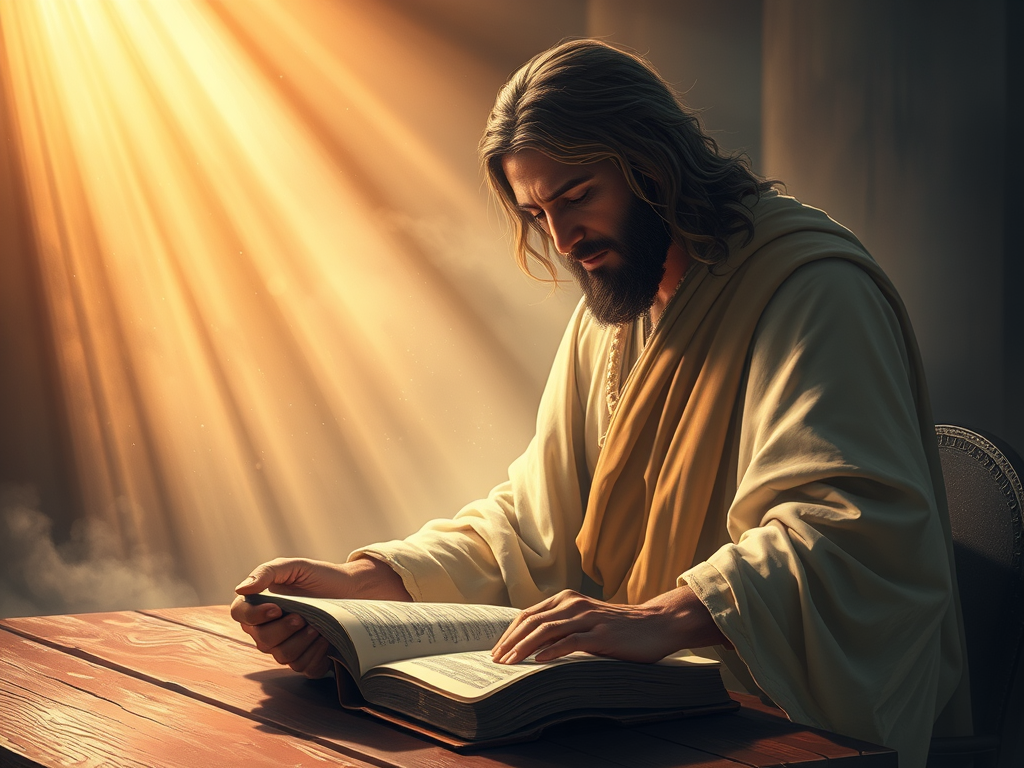
The biblical call to repentance is not a demand to clean up one’s life before approaching God. It is a summons to change one’s mind—specifically, about who Jesus Christ is and what He has accomplished on the cross.
The Greek word behind “repent” and “repentance” is metanoia (μετάνοια), a compound of meta (after) and nous (mind). Lexicons are unanimous: it means “a change of mind” or “afterthought.” Thayer’s Greek Lexicon defines it as “a change of mind… involving a change of heart.”
Vine’s Expository Dictionary adds that it entails “a change of will.” Nowhere in the New Testament does metanoia carry the sense of “turning from sin” or “moral reformation.” That idea is imported.
Consider the first public use of the term. In Matthew 3:2, John the Baptist cries, “Repent ye: for the kingdom of heaven is at hand.” The Greek is metanoeite—literally, “change your minds.” The context is not ethical overhaul but recognition: the promised King has arrived.
Israel must abandon its rejection of the Messiah and believe He is here. Jesus repeats the identical phrase in Matthew 4:17. No list of sins to forsake appears—only the urgent call to believe the King.

The Apostle Paul, architect of the gospel of grace, links repentance directly to faith. In Acts 20:21 he summarizes his ministry as “testifying both to the Jews, and also to the Greeks, repentance toward God, and faith toward our Lord Jesus Christ.” The structure is telling: repentance is toward God (a change of mind about Him), and faith is toward Christ (trust in His finished work).
They are two sides of the same coin, not sequential steps. To repent is to abandon self-reliance and embrace Christ’s sufficiency. Even in the Old Testament, the Hebrew equivalent shuv—translated “turn” or “return”—means to turn to God, not merely from sin. Isaiah 55:7 pairs the ideas: “Let the wicked forsake his way… and let him return unto the LORD.” Forsaking sin is the result of returning, not the prerequisite. The Ninevites in Jonah 3 “believed God” first; only then did they turn from evil—and God saw their works as evidence, not the price of mercy.
The clearest proof comes from Acts 19:4, where Paul explains John’s baptism: “John verily baptized with the baptism of repentance, saying unto the people, that they should believe on him which should come after him, that is, on Christ Jesus.” Repentance, in John’s mouth, was a call to believe on Jesus. Nothing about sin inventories. Misunderstandings arise when metanoia is conflated with metamelomai, a different word meaning “regret” or “remorse.” Judas “repented himself” (metamelomai, Matthew 27:3) and hanged himself—proving sorrow without faith leads to death.

Biblical repentance, by contrast, leads to life because it culminates in trust.The gospel itself is the litmus test. Paul defines it in 1 Corinthians 15:1–4: Christ “died for our sins… was buried, and… rose again.” The response required? Believe. No verse adds “plus stop sinning.” Romans 4:5 is blunt: “But to him that worketh not, but believeth on him that justifieth the ungodly, his faith is counted for righteousness.” Demanding sin-forsaking as a condition for salvation is, in Paul’s words, “another gospel” (Galatians 1:8–9)—accursed.
Turning from sin is the fruit of salvation, not its root. The thief on the cross changed his mind about Jesus—“Lord, remember me”—and was promised paradise that day (Luke 23:42–43). No time for behavioral reform. The publican in Luke 18:13 beat his breast and cried, “God be merciful to me a sinner.” Jesus declared him justified. His plea was not a vow to sin no more; it was a change of mind about his need for mercy.
The biblical call is simple: change your mind about Jesus. Recognize Him as the risen Lord who bore your sins. Trust His blood alone. The moment that happens, the Holy Spirit begins the lifelong work of transformation. Repentance is not the price of entry into the kingdom. It is the door.
Don’t forget to Subscribe for Updates. Also, Follow Us at Society-Reviews, YouTube, Twitter, Odysee, Rumble, and Twitch




 Society Reviews
Leave a comment