

In the polished pews of America’s megachurches and the quiet sanctuaries of small-town congregations, a quiet exodus has long been underway: men, particularly single ones, are leaving. For decades, surveys have painted a stark picture—churches are 61 percent female and 39 percent male, a gender gap unmatched by any major world religion.

This disparity isn’t new; it’s a trend that’s persisted since the 1990s, with men’s church attendance dropping six percentage points in that span. Yet in 2025, as cultural battles rage over masculinity, loneliness, and traditional roles, a provocative question echoes: Have American churches become hostile to men? Or, more pointedly, have they conformed so closely to the world that they’ve alienated the very demographic they once sought to shepherd?
The Bible, in 1 John 2:15-17, issues a stark warning: “Love not the world, neither the things that are in the world. If any man love the world, the love of the Father is not in him.” The apostle John contrasts the fleeting desires of the flesh, eyes, and pride of life with eternal fidelity to God. Modern interpreters see this as a call to resist cultural assimilation, yet critics argue that many churches have done the opposite—adopting worldly emphases on emotional vulnerability and relational harmony at the expense of robust, challenging calls to masculine purpose.
In an era of declining male attendance, this conformity manifests in sermons that feel more like therapy sessions than battle cries, leaving men adrift in a sea of felt banners and acoustic worship sets.
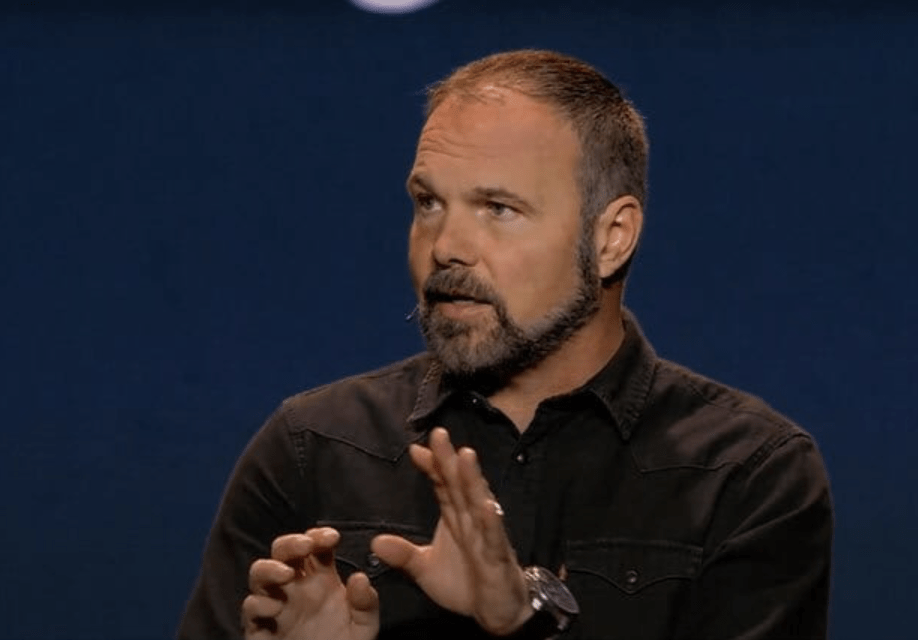
Consider Pastor Mark Driscoll, the firebrand once at the helm of Seattle’s Mars Hill Church. Driscoll, whose ministry imploded amid allegations of bullying and plagiarism, became infamous for his scorched-earth rhetoric toward single men. In sermons and books like Real Marriage, he branded unmarried Christian men in their 20s and 30s as “losers” or “weirdos,” implying their singleness stemmed from personal failure rather than systemic issues like economic precarity or a dating pool skewed by cultural shifts.
Driscoll’s hyper-masculine gospel—part pickup artistry, part Old Testament thunder—demanded men “man up” without addressing why women might reject such overtures. Single men feel not just uninvited, but indicted. Driscoll’s “right thing said in the wrong way” crossed lines, fostering resentment rather than recruitment.
This pattern repeats in subtler forms. The late Pastor John MacArthur, the influential Calvinist leader of Grace Community Church in California, has urged single men to view themselves as “rescuers” of women from loneliness and unfulfillment, framing marriage as a divine mandate where men provide, protect, and procreate.
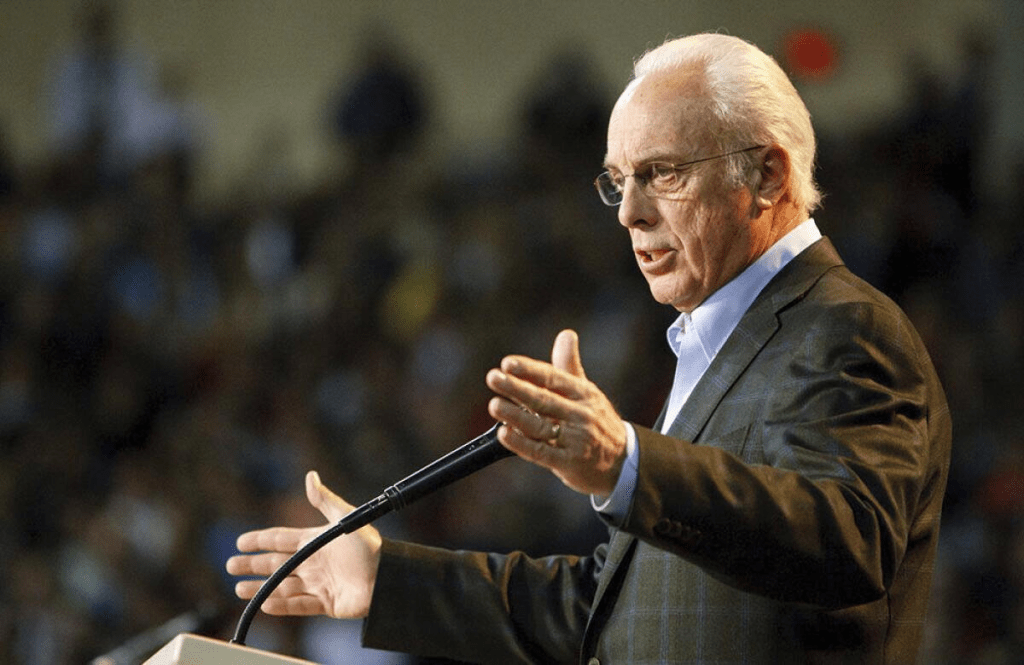
In a 2021 Q&A, he told a young man, “The burden really lies with men to see themselves as those who rescue women from being in an unfulfilled life.” The audience—predominantly women—erupted in applause, but the message rings hollow for men facing rejection. MacArthur’s theology, rooted in Ephesians 5’s call for husbands to love sacrificially, overlooks a biblical symmetry: Wives are to submit (Ephesians 5:22), yet modern women, empowered by career and independence, often balk at that verse.
Critics like Sheila Gregoire of Bare Marriage argue this creates a one-sided script, where men are saviors but women aren’t accountable for reciprocity. “Churches are female-coded places or outright hostile to men (especially single ones).”
Enter the rising chorus of conservative Christian women influencers, who amplify this imbalance. Allie Beth Stuckey, host of the BlazeTV podcast Relatable, has built a following of over 6,700 women at events like the “Share the Arrows” conference, where she rallies against “toxic empathy” and for biblical manhood.

In a fiery October speech at Turning Point USA, Stuckey declared, “We need really strong men, and porn makes you weak,” urging men to lead with boldness. Noble in intent, but her critique—echoed in her book Toxic Empathy—focuses on men’s flaws without probing why women might resist submission, as commanded in Ephesians 5:22-24.
Similarly, Erika Kirk, widow of Turning Point USA founder Charlie Kirk and now the organization’s CEO, had a stern and fiery message directed towards men while advocating for “traditional gender roles” in marriage. Kirk told men, “Be a husband worth following. Your wife is not your servant. Your wife is not your employee. Your wife is not your slave. She is your helper. You are not rivals. You are one flesh working together for the glory of God”
Kirk’s sentiment, while sounding good at face value, echoes a growing narrative from within the church: if a man is not worthy of being submitted to, a woman will NOT submit to him. Is that a biblical message or a worldly one?

Now juxtapose Kirk’s message towards women and the tone is a complete 180. Kirk tells women just seconds later: “Be virtuous. Our strength is found in God’s design for our role. We are the guardians. We are the encouragers. We are the preservers. Guard your heart, everything you do flows from it.”
The tone of the message is a complete turnaround and men in the church notice this.
Lila Rose, the Catholic pro-life activist behind Live Action, hosts podcasts dissecting masculinity and self-control, interviewing experts on how women can communicate with men. Her episodes, like one with relationship coach Alison Armstrong, stress men’s need for respect but rarely interrogate why modern women, facing economic independence and #MeToo scars, might view traditional submission as a trap.

Tomi Lahren, though less overtly Christian, fits the mold in her Fox Nation commentary. The conservative firebrand has lamented the “decline of marriage” as men’s fault—calling them “defective, weak, and lazy”—while ignoring women’s rising standards for partners who match their ambition.
A nod to perceived cultural hostility, yet her rants rarely call women to biblical accountability. These voices, amplified on podcasts and at conferences, create a feedback loop: Men are shamed for not leading, women for not following, but the deeper issue—churches mirroring a world obsessed with individualism and grievance—goes unaddressed.
Barna Group’s 2025 State of the Church report notes a silver lining: Men now slightly outpace women in attendance, perhaps drawn by a post-pandemic hunger for purpose amid rising male suicide rates and economic alienation. However, the question should be raised if these men are going to Bible-believing churches where the gospel is shared without question, or are they going to churches with the outwardly appearance of masculinity, such as Catholic or Orthodox churches.

Pastors like Driscoll and MacArthur, in overcorrecting, bully men into submission. Influencers like Stuckey and Kirk demand fitness for leadership while glossing over women’s exodus from submission. The result? A church that’s 39 percent male feels like 100 percent pressure on the rest. Reform won’t come from more conferences or podcasts. It demands a return to John’s binary: Love the Father, not the world. Churches must preach holistic biblical manhood—provider, protector, priest—without shaming the single or sidelining women’s agency.
Men need spaces for raw challenge, not coddling; women, affirmation of their equality in Christ (Galatians 3:28). Only then can pews fill with purpose, not resentment. If the church can’t bridge this divide, who will?
Don’t forget to Subscribe for Updates. Also, Follow Us at Society-Reviews, YouTube, Twitter, Odysee, Rumble, and Twitch



 Society Reviews
Leave a comment