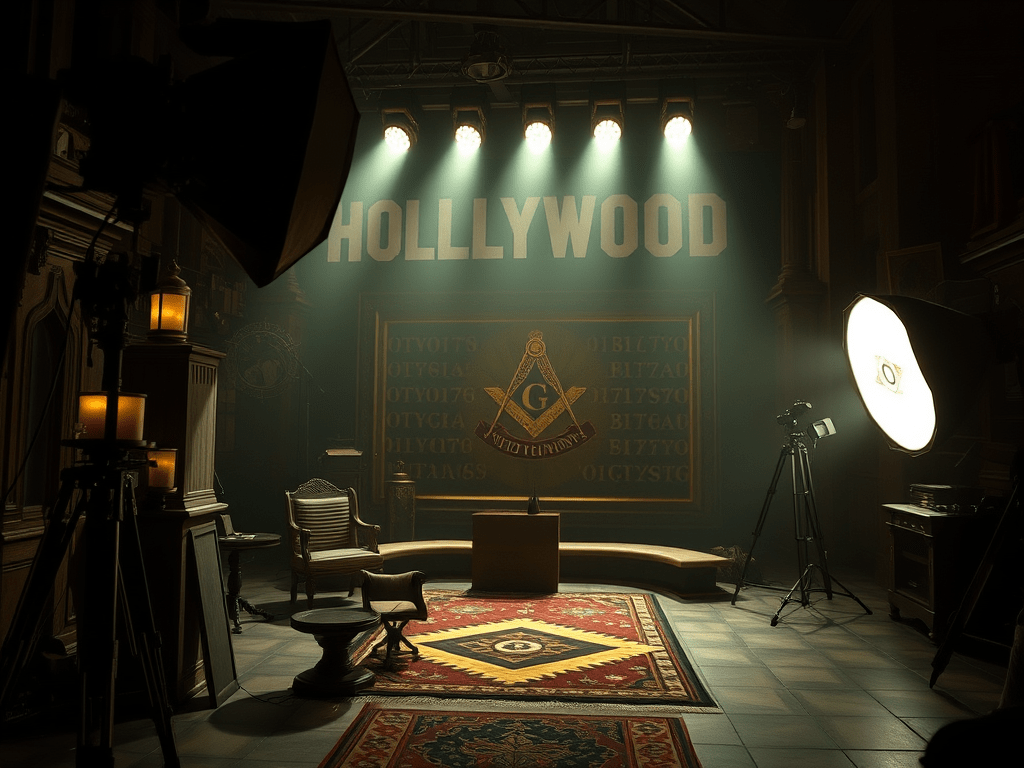
In the glittering facade of Hollywood, where dreams are manufactured and myths take flight, a darker narrative unfolds—one woven from the threads of secret societies, esoteric symbols, and ancient occult philosophies.

The historical entanglement between Freemasonry—a fraternal order steeped in ritual, symbolism, and claims of Enlightenment wisdom—and the entertainment industry is no mere coincidence. From the founding of Los Angeles’ film studios to the pervasive imagery in blockbuster films, Freemasonry has exerted an influence that promotes Gnostic teachings: hidden knowledge (gnosis) as the path to salvation, the divine spark trapped in matter, and a rejection of the material world as illusory or evil.
A literal reading of the Bible frames this as a profound spiritual peril. Ephesians 5:8–14 warns: “For ye were sometimes darkness, but now are ye light in the Lord: walk as children of light… Have no fellowship with the unfruitful works of darkness, but rather reprove them… Wherefore he saith, Awake thou that sleepest, and arise from the dead, and Christ shall give thee light.” This passage calls believers to expose darkness, not embrace it; to walk in Christ’s light, not the “mysteries” of secret orders.
Freemasonry, with its veiled rituals and anti-biblical cosmology, serves as the source of Hollywood’s Gnostic undercurrent, subtly eroding the gospel of grace (Ephesians 2:8–9) in favor of self-deification. As Revelation 18:23 laments Babylon’s “sorceries” deceiving nations, Hollywood’s output—riddled with Masonic symbols—seduces souls into occult bondage, fulfilling the harlot’s commerce in “souls of men” (v. 13).
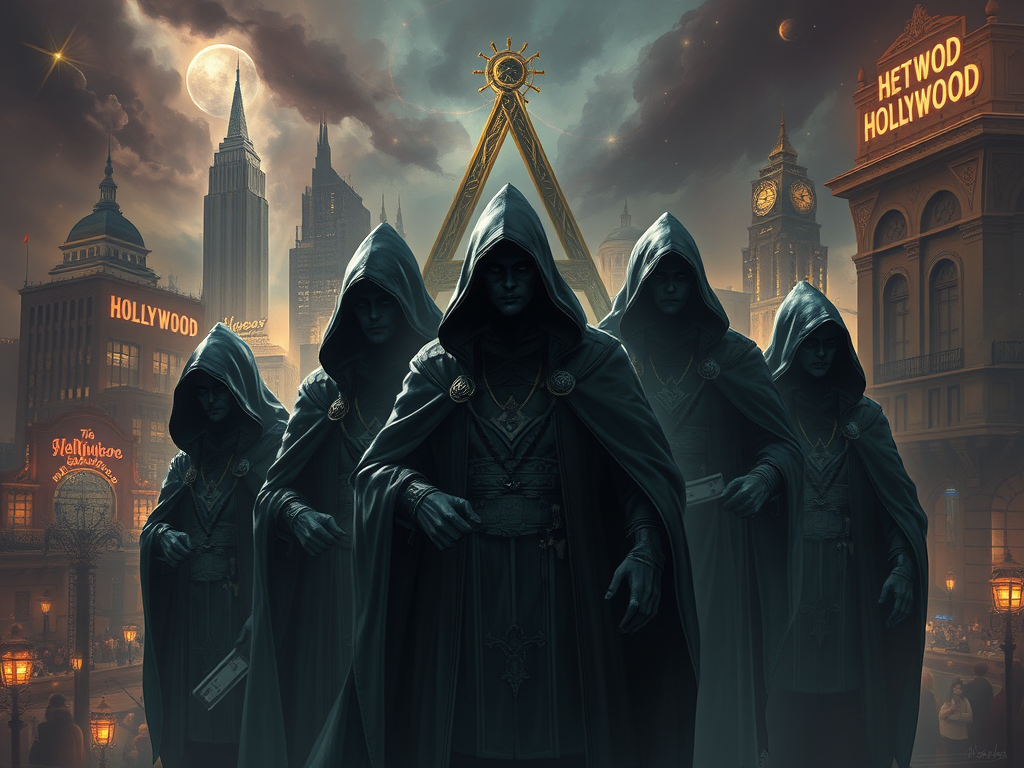
Freemasonry’s roots trace to 18th-century Europe, blending medieval stonemason guilds with Renaissance occultism, Rosicrucianism, and Enlightenment rationalism. By the 19th century, it had infiltrated American institutions, including those that birthed Hollywood. The city’s Masonic ties are evident in its founders: Hiram Maxim, a Scottish Rite Mason, helped establish early studios, while figures like Cecil B. DeMille (a 32nd-degree Mason) directed epics like The Ten Commandments (1956), infusing them with esoteric symbolism.
DeMille’s brother William and producer Jesse Lasky were also Masons, and the Hollywood Masonic Temple (now the El Capitan Theatre) hosted rituals attended by stars like Clark Gable and John Wayne. The 1920s saw Masonic lodges thrive in Los Angeles, with over 50,000 members by 1930, including studio heads like Louis B. Mayer (MGM), who donated to Masonic charities.
This wasn’t benign networking; Freemasonry’s degrees (e.g., Scottish Rite’s 33 levels) teach progressive “light” through symbols like the all-seeing eye, square, and compass—echoing Gnosticism’s ascent from ignorance to divine knowledge. As Ephesians 5:11 commands, “have no fellowship with the unfruitful works of darkness,” yet Hollywood’s pioneers did, embedding occult motifs that persist today.

Gnosticism, an early heresy condemned in the Bible (1 John 4:1–3: test spirits; Colossians 2:8: beware philosophy), posits matter as evil, the body as a prison for the divine spark, and salvation through secret wisdom, not Christ’s blood (1 Corinthians 15:3–4).
Freemasonry revives this: Albert Pike’s Morals and Dogma (1871), a Masonic bible, describes 33 degrees as unveiling “hidden truths,” with higher levels invoking Lucifer as “light-bearer” (p. 321). Pike, a 33rd-degree Mason, equates Masonic light with Gnostic gnosis, rejecting the bible’s Creator as “jealous tyrant” (p. 224).
This hostility permeates Hollywood: films like The Matrix (1999) portray reality as illusion, Neo as gnosis-attaining savior; Star Wars (1977) features “the Force” as impersonal energy, Jedi as enlightened masters—echoing Masonic “Great Architect.” The Da Vinci Code (2006) pushes Gnostic “sacred feminine” and hidden gospels; Prometheus (2012) depicts humans as alien-engineered, gods as deceptive—Freemasonry’s demiurge critique.
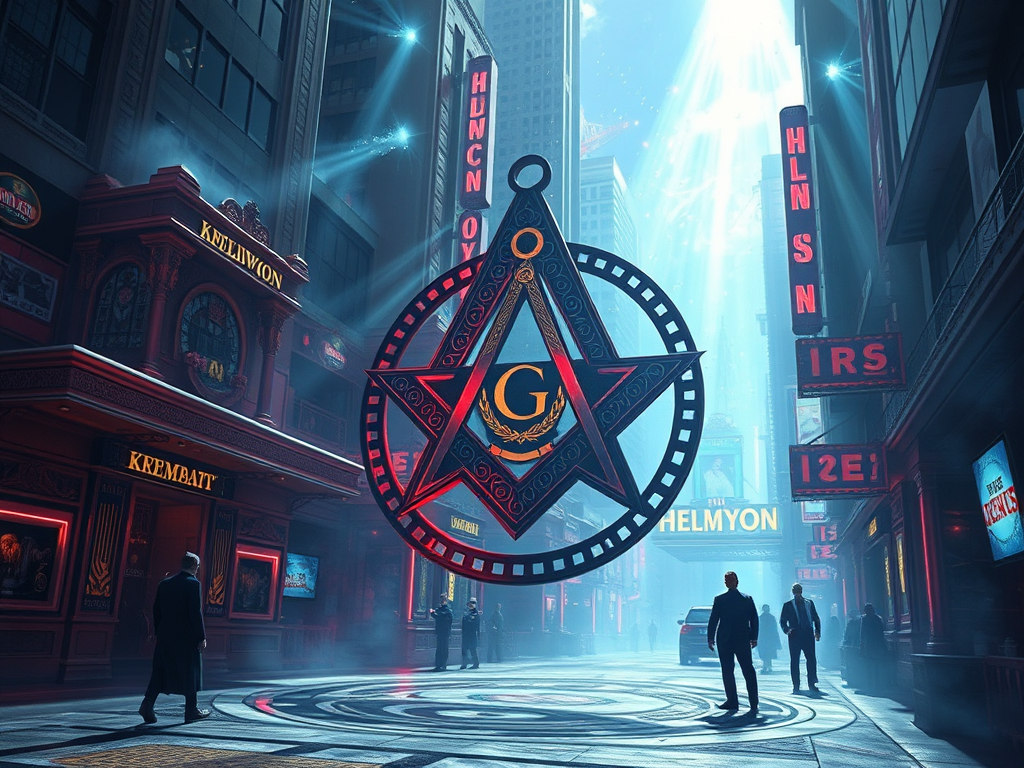
Ephesians 5:13–14 urges: “All things that are reproved are made manifest by the light… Awake thou that sleepest.” Yet these narratives lure viewers into “enlightenment” without repentance, aligning with Freemasonry’s veiled ascent.
Freemasonry’s true teachings are overtly hostile to the Bible, viewing it as “profane” or incomplete. Pike derides Scripture as “allegory” for initiates ( Morals and Dogma, p. 210); Manly P. Hall’s The Secret Teachings of All Ages (1928) calls the Bible “veiled Gnosticism,” with Masonry as true revelation (p. 48). Albert Mackey’s Encyclopedia of Freemasonry (1873) admits higher degrees transcend “Christian symbolism,” incorporating Kabbalah and Hermeticism (p. 195). This anti-Bible stance infiltrates Hollywood: Eyes Wide Shut (1999) depicts elite rituals echoing Masonic lodges; National Treasure (2004) glorifies hidden symbols as “true history.”
As Ephesians 5:8 commands “walk as children of light,” these portrayals seduce into darkness, mocking Bible literalism (e.g., The Omen series’ inverted crosses). Symbols of secret societies saturate entertainment, sourced from Masonic esoterica. The all-seeing eye (Eye of Providence) adorns The Great Seal in National Treasure; pyramids evoke Egyptian mysteries in The Mummy (1999). The square and compass appear in The Da Vinci Code; obelisks (phallic symbols of power) dominate The Fifth Element (1997). William Schnoebelen’s Masonry Beyond the Light (1991) exposes these as invocations of Luciferian ascent (p. 112); Texe Marrs’ Circle of Intrigue (1995) traces Hollywood’s use to Masonic lodges (p. 204).

Bill Cooper’s Behold a Pale Horse (1991) links symbols to global control, citing films like Eyes Wide Shut as exposes (p. 45). Ephesians 5:12: “For it is a shame even to speak of those things which are done of them in secret”—yet Hollywood flaunts them, normalizing occultism.
Freemasonry’s Hollywood influence stems from its lodges and members. The Scottish Rite Temple in LA hosted stars; Walt Disney was rumored a Mason (debated, but his Fantasia echoes rituals). Fritz Springmeier’s Be Wise as Serpents (1991) claims 33rd-degree Masons like Gene Roddenberry infused Star Trek with Gnostic “New Age” (p. 156).
David Livingstone’s The Empire of the Occult (2013) ties Masonic networks to studios, citing symbols in The Wizard of Oz (1939) as yellow-brick-road initiation (p. 89). These sources reveal Freemasonry as the Gnostic pipeline, hostile to KJB’s light (Ephesians 5:14).

Ephesians 5:8–14 demands exposure: Hollywood’s Masonic-Gnostic veil trades souls for spectacle, a Babylonian commerce (Revelation 18:13) where light is darkness. As the KJB’s children of light, we must reprove, not consume.
Don’t forget to Subscribe for Updates. Also, Follow Us at Society-Reviews, YouTube, Twitter, Odysee, Rumble, and Twitch

 Society Reviews
Leave a comment