

In the Bible, Galatians 5:19-21 lists the “works of the flesh” with unflinching clarity: adultery, fornication, uncleanness, lasciviousness, idolatry, witchcraft, hatred, variance, emulations, wrath, strife, seditions, heresies, envyings, murders, drunkenness, revellings, “and such like.” The passage ends with a warning: those who practice such things “shall not inherit the kingdom of God.”
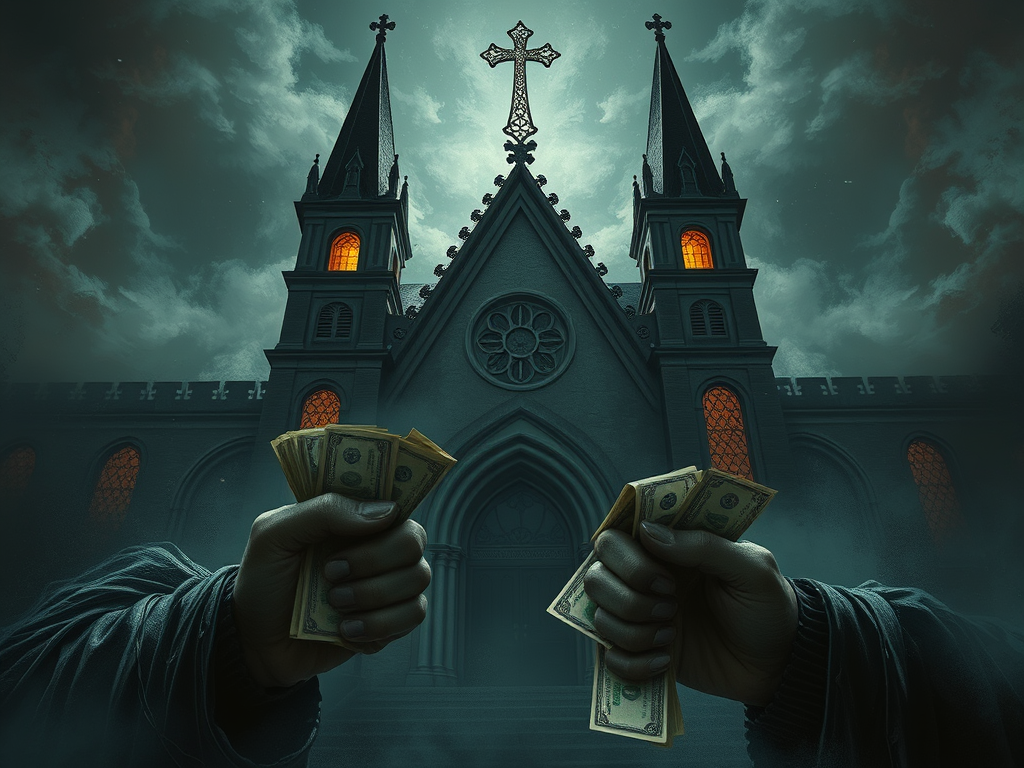
For centuries, theologians have treated this catalog as a diagnostic of human corruption. Yet a growing chorus of conservative evangelical voices now argues that Satan has weaponized an entire demographic identity—black American culture—to normalize these very sins, transforming communal resilience into a Trojan horse for spiritual ruin.
The thesis is stark: the same adversary who once tempted Eve with forbidden fruit has rebranded transgression as empowerment, packaging it in the rhythms of drill rap, the iconography of Beyoncé, the rhetoric of Black Lives Matter, and even the Sunday-morning sermons of megachurch pastors. What follows is a forensic examination of this claim, grounded in Scripture’s literal text and illustrated by public episodes that have unfolded in plain sight.
From Survival Hymns to Sensual Anthems
Black American culture was forged in the crucible of slavery, where spirituals like “Swing Low, Sweet Chariot” encoded both lament and hope. The church stood as the counterweight to oppression, a place where the flesh was disciplined and the Spirit exalted. But the 20th century brought secular currents—jazz, blues, hip-hop—that gradually eroded that boundary. The pivot from sacred to profane accelerated in the 2010s with the rise of drill rap, a subgenre born in Chicago’s South Side and exported to London, Atlanta, and beyond.

Artists such as Chief Keef and Lil Durk narrate gang vendettas with metronomic precision: “O end or get killed,” Keef raps in “I Don’t Like.” The videos are tableaux of wrath and murder—hooded figures brandishing firearms in abandoned lots, the camera lingering on spent casings.
Galatians’ “hatred, variance, emulations, wrath, strife… murders” are not metaphors here; they are the soundtrack. The genre’s cultural penetration is total: barbershops blast it, high-school pep rallies sample it, and TikTok algorithms serve it to preteens. What begins as artistic expression calcifies into a liturgy of violence, a cycle that claimed real lives—most recently the 2023 stabbing of London teenager Také Off, tied to a diss track.
Parallel to drill’s ascent is the apotheosis of female pop stars who trade in lasciviousness. Beyoncé, once a Destiny’s Child ingénue, has been recast as a deity in some black religious spaces. In 2018, Grace Cathedral in San Francisco hosted a “Beyoncé Mass”; a Brooklyn congregation followed suit. Congregants arrived in yellow, chanting lyrics from “Lemonade” as if they were psalms. The artist’s visual album Black Is King weaves Hoodoo symbols and spirit invocations—Galatians’ “witchcraft” (pharmakeia) in high definition.
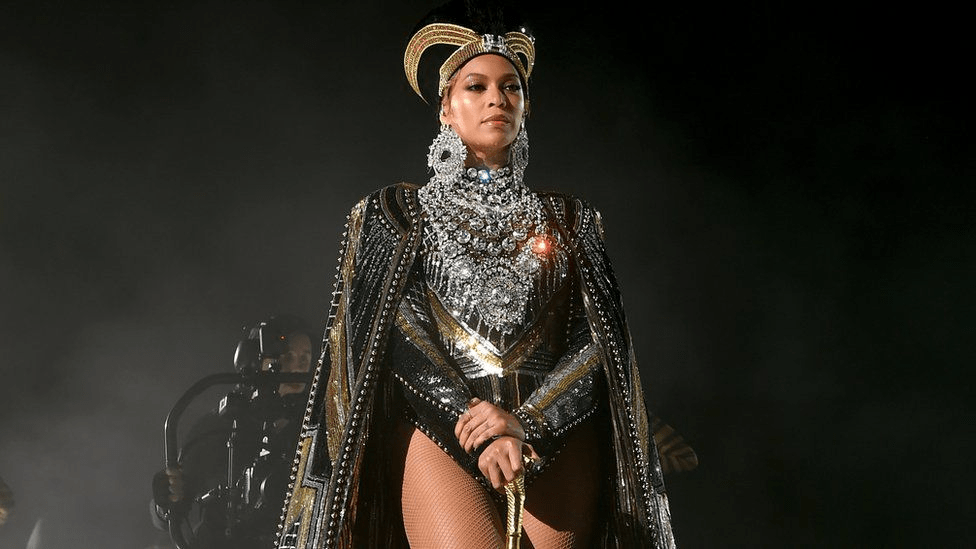
Ice Spice, the Bronx rapper who exploded in 2022, distills the ethos further: her breakout single “Munch” reduces relationships to transactional sex, delivered over a beat that pulses through HBCU homecomings. The message is unambiguous: fornication is liberation, uncleanness is authenticity.
Movements That Trade Justice for Sedition
Cultural rot does not confine itself to entertainment; it colonizes activism. The Nation of Islam and its offshoot, the Five-Percent Nation, have long peddled heresies—denying Christ’s divinity, elevating black men as “gods,” whites as devils engineered by a mad scientist named Yakub. Louis Farrakhan’s 1995 Million Man March and the 5 Percenters’ Supreme Mathematics infiltrate hip-hop ciphers and prison yards alike, fostering “seditions” and “envyings.”
Black Lives Matter, founded in 2013 veered into Marxist orthodoxy. Its leaders’ calls to “disrupt the nuclear family” and the 2020 riots that torched black-owned businesses—killing 25 and injuring thousands—manifest “wrath” and “strife” on a civic scale. The 1992 Los Angeles riots, sparked by the Rodney King verdict, offer a historical precedent: 63 dead, 2,300 Korean businesses destroyed, a carnival of “revellings” and “drunkenness” that left South Central in ashes.

The Pulpit Becomes the Platform
Most alarming is the virus’s migration into the church itself. The sanctuary, Scripture insists, is “the pillar and ground of the truth” (1 Timothy 3:15). Yet black megachurches have become stages for the very flesh Galatians condemns.
On September 10, 2025, conservative activist Charlie Kirk was assassinated in Utah. Within days, prominent black pastors weaponized their pulpits. Rev. Jamal Bryant of New Birth Missionary Baptist Church in Georgia denounced Kirk as an “unapologetic racist” whose comparison to Martin Luther King Jr. was sacrilege.
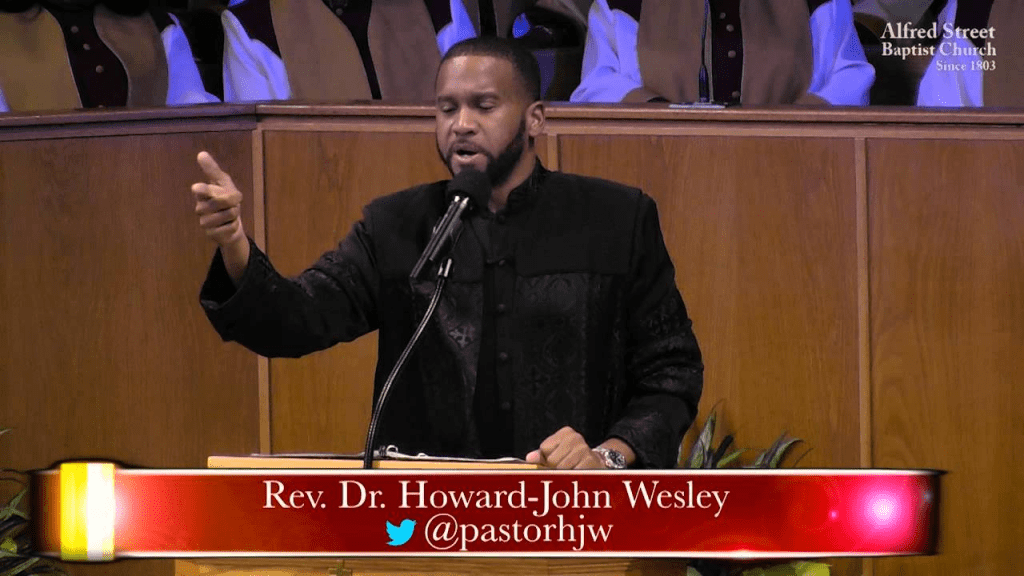
Rev. Howard-John Wesley of Alfred Street Baptist Church in Virginia lamented flags at half-staff for a man who “sowed seeds of division and hate.” Rev. Freddy Haynes III of Friendship West Baptist in Dallas called Kirk’s rhetoric “nasty and hate-filled.” These sermons, delivered amid national mourning, embodied “hatred” and “variance,” transforming grief into grievance.
Bryant went further in February 2025, mocking black Trump supporters at a White House event: “I feel bad for them coons in the White House who were in there tap dancing for massa.” The slur—hurled from the sacred desk—crystallized “strife” and “emulations,” fracturing the body of Christ along partisan lines. Such rhetoric echoes the Nation of Islam’s separatism, a heresy that has quietly metastasized into progressive black theology.
Financial scandal completes the trifecta. At Perfecting Church in Detroit, Bishop Marvin Winans has presided over a two-decade saga of delayed construction and aggressive fundraising. On October 20, 2025, during a “Day of Giving,” Winans publicly shamed member Roberta McCoy for donating $1,235 instead of $2,000: “That ain’t what I asked you to do.” A 2018 lawsuit by former housekeeper Lakaiya Harris alleged forced tithing and compulsory gifts for supervisors. The unfinished sanctuary on Woodward Avenue—sued by the city in 2023 for blight—stands as a monument to “covetousness,” the idolatry of mammon that Colossians 3:5 equates with spiritual adultery.
A Theology of Inversion
The pattern is consistent: Satan does not invent new sins; he rebrands old ones. Idolatry becomes celebrity worship; witchcraft becomes Afrocentric mysticism; wrath becomes righteous anger; covetousness becomes seed-faith economics. The inversion is so complete that to question it is to court excommunication from the culture. Black conservatives who resist—figures like Thomas Sowell or Larry Elder—are branded “coons,” their orthodoxy measured not by Scripture but by loyalty to the new canon.

Scripture offers no exemption for demographic grievance. “There is neither Jew nor Greek… for ye are all one in Christ Jesus” (Galatians 3:28). Yet the architects of this cultural edifice insist that black identity requires a separate moral universe, one where the works of the flesh are recast as resistance. The result is a community simultaneously celebrated for its vibrancy and ensnared by its vices—homicide rates in Chicago, fatherlessness in Baltimore, abortion rates in Atlanta all dwarfing national averages, each statistic a footnote to Galatians’ warning.
The Path of Return
The Bible’s remedy is not cultural retreat but spiritual reformation. “If my people, which are called by my name, shall humble themselves, and pray, and seek my face, and turn from their wicked ways; then will I hear from heaven” (2 Chronicles 7:14). The Ethiopian eunuch of Acts 8—black, marginalized, yet converted by Philip’s preaching—remains the archetype: identity subordinated to Christ, culture redeemed rather than deified.
Until black churches exorcise the flesh from their sanctuaries—until drill anthems yield to hymns, until Beyoncé masses give way to Bible studies, until pastors trade political jeremiads for the gospel of reconciliation—the warning of Galatians stands.
The kingdom of God is not inherited by those who revel in the works of the flesh, regardless of the melanin that packages them.
Don’t forget to Subscribe for Updates. Also, Follow Us at Society-Reviews, YouTube, Twitter, Odysee, Rumble, and Twitch




 Society Reviews
Leave a comment