

The Calvinist doctrine of Limited Atonement comes under scrutiny when examined in the light of the Bible. This pillar of Calvinism’s TULIP claims Jesus died only for a select crew—the so-called “elect” handpicked by God for salvation—leaving everyone else out in the cold.

But a straight-up, literal reading of Scripture, backed by verses like 1 Timothy 2:3-6, John 3:16-18, and 1 John 2:1-2, delivers a holy smackdown, proving this doctrine isn’t just wrong—it’s a “damnable heresy” that twists the gospel and risks souls. Let’s break it down. First, what’s Limited Atonement? It’s the Calvinist idea that Christ’s sacrifice on the cross was meant only for a predestined elite, not the whole world.
According to John Calvin’s followers, God chose a lucky few for salvation before time began, and Jesus’ blood was shed exclusively for them. Sounds like an exclusive VIP list for heaven, right? Wrong. The Bible begs to differ, and its words hit like a divine sledgehammer, showing the atonement is for everybody, not just a cosmic clique. Take 1 Timothy 2:3-6. It says God “will have all men to be saved” and that Christ “gave himself a ransom for all.”
The word “all” doesn’t mess around—it means every single person. No exceptions, no fine print. Calvinists try to wiggle out, claiming “all” just means “some” or “the elect,” but that’s like saying water isn’t wet. The literal text screams universal atonement, open to anyone who believes. Limiting it to a select group spits in the face of this clear truth.

Then there’s John 3:16-18, the Bible’s greatest hit: “For God so loved the world, that he gave his only begotten Son, that whosoever believeth in him should not perish.” The “world” isn’t a secret club—it’s all humanity. “Whosoever” means anyone who trusts in Jesus gets the prize. The atonement’s door is wide open, not locked for a chosen few.
Calvinists who shrink this love to a predestined posse are rewriting Scripture to fit their theology, not the other way around.1 John 2:1-2 doubles down: Christ is “the propitiation for our sins: and not for ours only, but also for the sins of the whole world.” That’s crystal clear—Jesus’ sacrifice covers everybody, not just the elect. Romans 5:12-18 draws a line from Adam’s sin, which doomed “all men,” to Christ’s “free gift” that came “upon all men unto justification of life.”
The parallel is undeniable: if sin’s curse hit everyone, Christ’s atonement reaches everyone too. Hebrews 2:9 nails it, saying Jesus tasted death “for every man.” Not “some men,” not “the elect”—every man. 1 Timothy 4:10 calls God “the Saviour of all men, specially of those that believe,” meaning the atonement’s for all, though only believers cash in. Calvinists lean on verses like Matthew 1:21—“he shall save his people from their sins”—and John 10:15—“I lay down my life for the sheep”—to argue the atonement’s limited. But hold up.

“His people” in Matthew ties to Israel’s covenant context, and John’s “sheep” are those who follow Christ, not a fixed roster set before creation. Acts 20:28 talks about the church “purchased with his own blood,” but doesn’t say the blood’s only for the church. These verses highlight who benefits—believers—but don’t cancel out the universal scope screaming from 1 Timothy and 1 John.
So why’s Limited Atonement not just wrong but a “damnable heresy”? In 2 Peter 2:1, “damnable heresies” are false teachings that lead souls to destruction by denying core gospel truths. Limited Atonement does just that. By saying Christ didn’t die for all, it slams the door on the gospel’s universal offer, potentially leaving people hopeless, thinking they’re not “chosen.” It paints God as stingy with His love, contradicting John 3:16’s world-embracing heart and 1 Timothy 2:4’s clear desire for “all men” to be saved.
This distortion risks damning souls by obscuring the free call to believe. Worse, it downplays faith’s role. John 3:16-18 ties salvation to belief, not predestination. By focusing on a preselected elite, Calvinists sideline the biblical invitation to “whosoever will” (Rev. 22:17). This could kill evangelism—why preach to all if Christ’s blood doesn’t cover them? It’s a theological gut-punch that could lead people to false assurance or despair, both deadly to the soul.
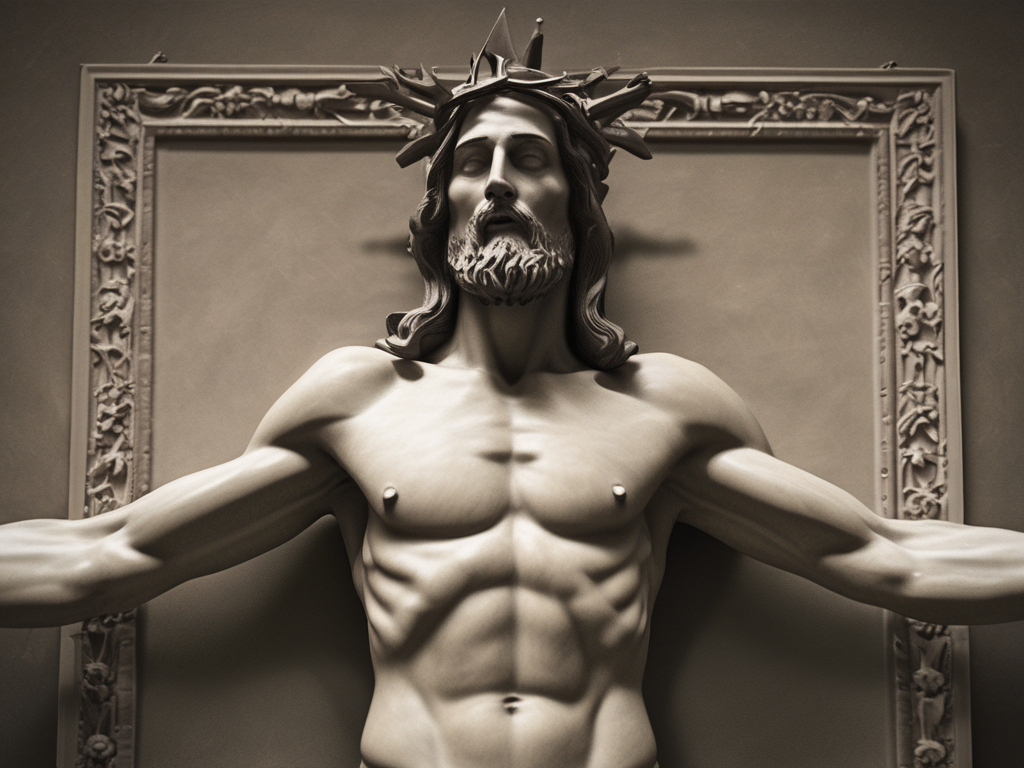
The Bible’s verdict is brutal: Limited Atonement doesn’t hold up. The atonement’s for all, applied to those who believe. Hebrews 10:1-18 calls Christ’s sacrifice “one offering” that perfects the sanctified, with no hint of a limited guest list. Calvinism’s attempt to gatekeep the cross crashes against Scripture’s open invitation. By twisting God’s love and the gospel’s reach, Limited Atonement isn’t just a theological misstep—it’s a heresy that could lead souls astray. The Bible says Christ died for all. Believe it, and the door’s open.
Don’t forget to Subscribe for Updates. Also, Follow Us at Society-Reviews, YouTube, Twitter, Odysee, Rumble, and Twitch




 Society Reviews
Leave a comment